

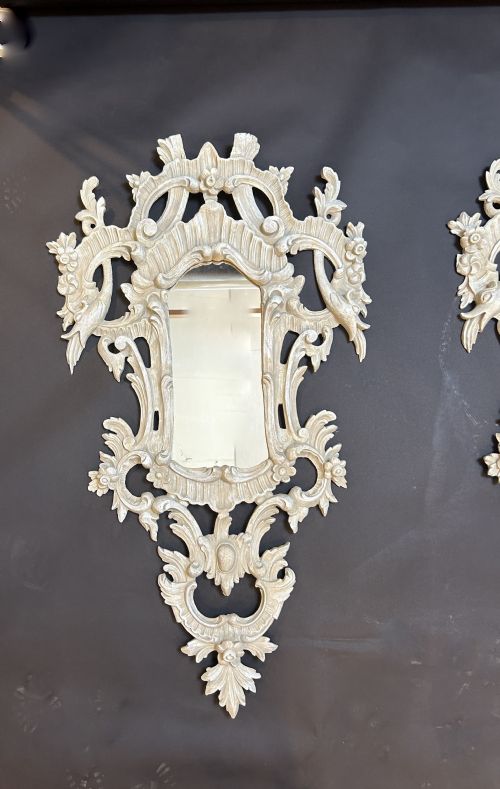


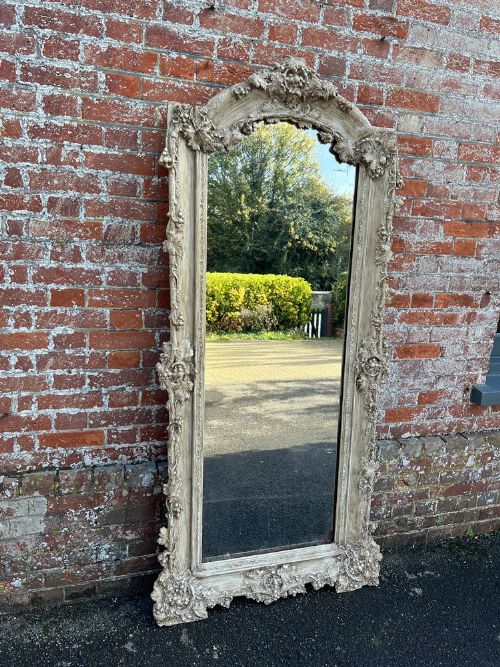


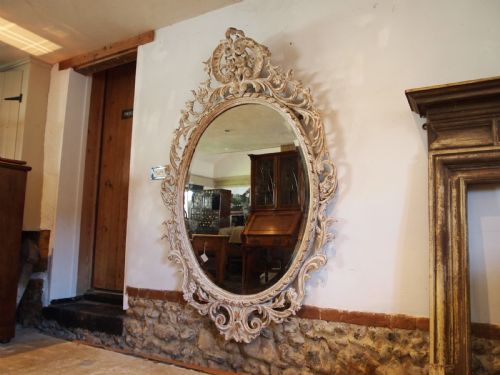
Ornate White Mirror
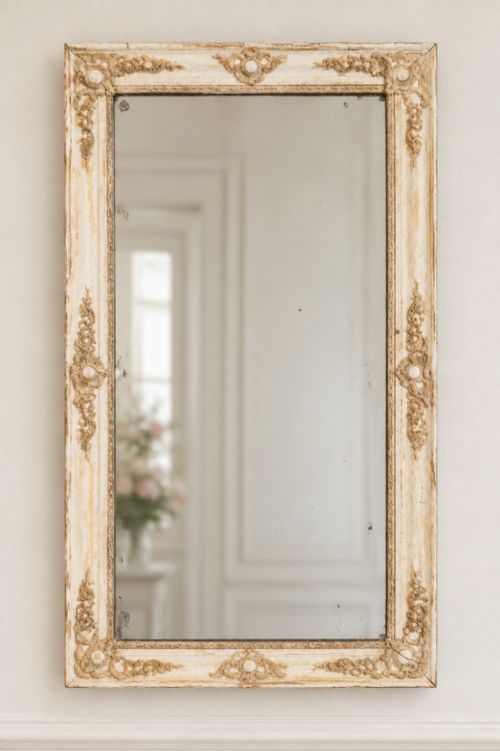
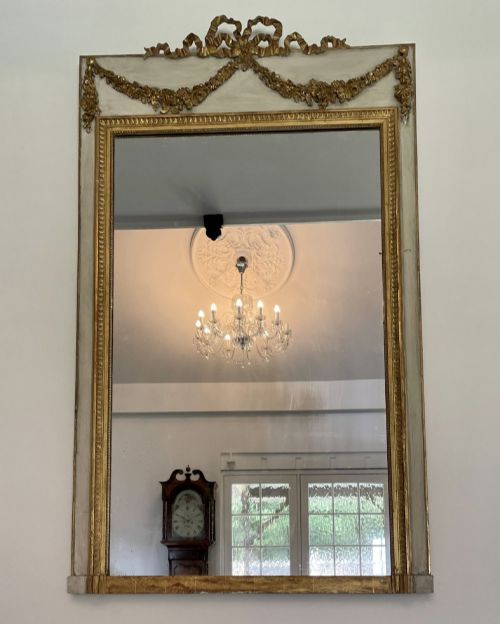
An ornate white mirror brings dramatic architectural presence and luminous reflection to a room, drawing the eye with intricate historical carving.
Ornate White Mirror
An ornate white mirror encompasses substantial wall and overmantel looking glasses shaped by periods from the eighteenth century to the early twentieth century. Buyers seeking an ornate white mirror will frequently encounter grand Victorian and French pieces alongside decorative Edwardian and later interpretations.
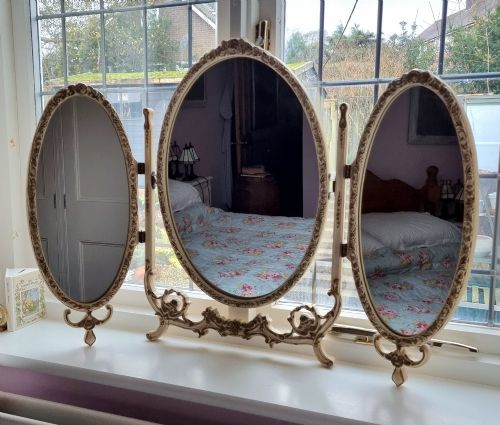
The primary forms on this page include large overmantel mirrors designed to sit above a fireplace, imposing wall mirrors, and dressing table glasses. Many examples combine painted white surfaces with gilt highlights, displaying styles that range from Rococo Revival and French Chateau to Georgian and Italianate designs.
How they were made
Traditional makers built these frames using solid timber bases, frequently applying layers of gesso to create deeply sculpted relief ornament before painting the surface white. Carved wood details and applied gesso allowed artisans to achieve flowing scrolls, foliage, and architectural moulding.
Many frames combine white paint with gold leaf or gilt details to accentuate the carved contours. Original glass plates with period silvering are frequently housed within these elaborate wooden and gesso structures.
Ornate White Mirror Retail Price Guide 2026
Typical asking prices for ornate white mirror among the pieces listed under this phrase on Sellingantiques today, from the lower quarter to the upper quarter. They describe what is for sale here now, not the wider market.
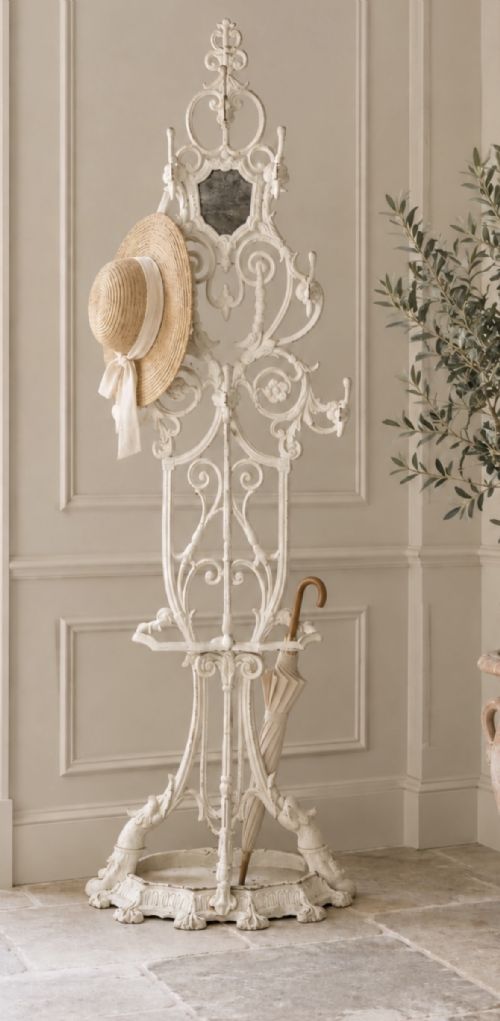
The documented object types include wall mirrors, overmantel mirrors, dressing table mirrors, console tables, and coat stands.
What varies in quality
The depth and crispness of the hand-carved detail define the upper tier of these pieces, distinguishing master craftsmanship from simpler production. Original gesso and paint surfaces that have aged naturally carry far more presence than later repainting.
Structural integrity of the heavy wooden frames and the preservation of original mirror plates dictate the enduring character of each piece. Superior examples maintain their original gilding beneath or alongside the white paint layers, showing harmonious integration of materials.
The Ornate White Mirror Glossary
- Gesso
- A plaster-like mixture applied to wood frames to create a smooth surface for intricate carving and gilding. Artisans built up multiple layers before shaping and painting the ornate details.
- Giltwood
- Timber that has been coated with thin sheets of gold leaf or metallic powder. This material often peeks through worn areas of white paint on period frames.
- Overmantel mirror
- A large horizontal looking glass traditionally hung above a fireplace mantelpiece. These substantial pieces anchor room proportions and reflect light across the space.
- Fretwork
- Ornamental pattern work carved in low relief or pierced through thin wood. This technique appears on lighter decorative frames from the nineteenth century.
Ornate White Mirror: Frequently Asked Questions
Where should I hang an overmantel mirror?
These large mirrors are traditionally positioned directly above a drawing room or dining room fireplace, resting on the mantel itself or secured to the wall just above.
Their substantial horizontal proportions balance the architectural weight of the hearth while reflecting natural light deeper into the interior space.
How do I care for antique gesso frames?
Gesso and carved wooden frames require gentle dusting with a soft, dry brush to protect the delicate raised plaster details from accidental impact.
Keep these pieces away from direct sunlight and damp environments to prevent the historic wood and gesso from shifting or cracking.
Are original mirror plates usually flawed?
Period glass often exhibits minor foxing, dark spots, and gentle distortion developed through centuries of chemical interaction and atmospheric exposure.
These subtle imperfections confirm the age of the glass and contribute significantly to the authentic visual character of the antique.
How do I distinguish Rococo Revival from Georgian styles?
Rococo Revival pieces from the nineteenth century display asymmetrical scrolls, exuberant C-scrolls, and deeply layered gesso foliage reminiscent of French eighteenth-century design.
Georgian-inspired decorative mirrors tend to follow more balanced, classical architectural rules with restrained symmetry and cleaner lines.