






Ornate Wall Panels
Ornate wall panels bring architectural depth and historical texture to a room, offering an immediate focal point through carved woodwork, gilt framing, and heavy metalwork.
Ornate Wall Panels
Ornate wall panels encompass architectural salvage, carved wooden over doors, cast iron panels, and framed textile art that function as decorative elements on a wall. When searching for ornate wall panels, buyers encounter diverse forms ranging from heavy structural cast iron to intricate carved wood and antique needlework.
The pieces appearing on this page span the Victorian and Edwardian eras alongside specific years in the nineteenth and twentieth centuries. These objects reflect various regional and stylistic traditions, including French Chateau, Baroque, and North African tribal designs.
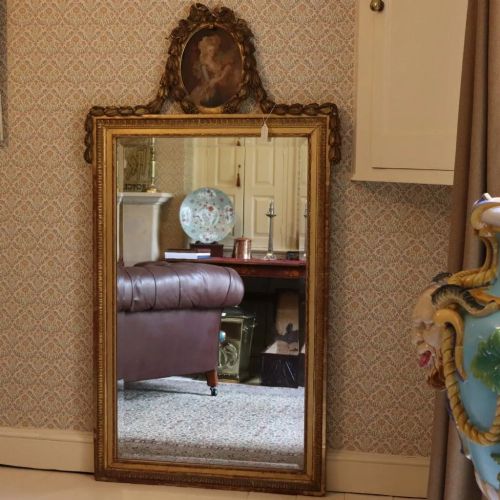
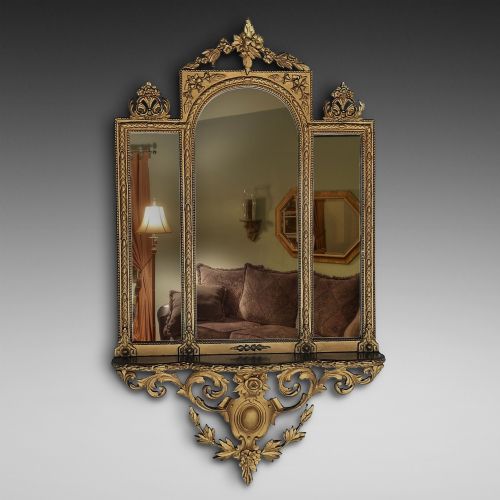
Wooden elements and carved architectural salvage dominate the selection, often accompanied by framed mirrors and oil paintings set within decorative surrounds. Each piece serves to break up a plain wall surface with historical craftsmanship and textured relief.
How they were made
Makers utilised solid timbers such as oak and walnut, applying deep carving techniques to create dimensional motifs like cherubs and scrolling foliage. Many wooden components incorporate gesso and gold leaf to achieve a gilded surface finish.
Metalwork pieces rely on heavy cast iron techniques, producing structural architectural panels designed for endurance. Textile works employ needlepoint and wool on frames, while painted panels utilise oil on panel or canvas.
Ornate Wall Panels Retail Price Guide 2026
Typical asking prices for ornate wall panels among the pieces listed under this phrase on Sellingantiques today, from the lower quarter to the upper quarter. They describe what is for sale here now, not the wider market.
Listings feature items from the Victorian and Edwardian eras alongside pieces dated across the nineteenth and twentieth centuries.
What varies in quality
The depth and crispness of the carving dictate much of the visual success in wooden architectural elements. Sharply defined details in carved wooden motifs and cast iron show greater artisan engagement than soft or shallow casting.
The integrity of surface finishes, from original gilding to unpainted patinated wood, determines the aesthetic weight of a piece. Original gold leaf and intact gesso retain more visual character than modern repainting or heavy restoration.
Pieter Cornelis Dommersen·Jeffrey Pratt·Bessie Bamber
The Ornate Wall Panels Glossary
- Gesso
- A plaster-like mixture applied to wood as a base for gilding or painting. It provides a smooth surface for intricate decorative relief work.
- Giltwood
- Wood that has been coated with gold leaf or gold paint. This technique adds reflective warmth and highlights carved details.
- Architectural salvage
- Building elements rescued from older structures for reuse in interior decoration. These pieces often include carved over doors and cast iron panels.
- Needlepoint
- A type of canvas work embroidery executed with a yarn in a counted thread or tent stitch. It frequently appears framed as wall art in Victorian pieces.
- Overmantel mirror
- A large mirror designed to hang directly above a fireplace mantel. They often feature elaborate frames matching the ornate wall panel style.
Ornate Wall Panels: Frequently Asked Questions
How do I hang heavy architectural panels safely?
Heavy cast iron and large carved wooden panels require secure fixing directly into wall studs or masonry using appropriate weight-rated brackets. Professional installation ensures the structural load is distributed evenly.
Because these pieces carry substantial weight, standard picture wire is rarely sufficient. Using heavy-duty mounting hardware keeps the panel flush and secure against the wall surface.
Where did decorative wall panels originate?
Many decorative panels originate from domestic interiors, civic buildings, and maritime or fairground contexts across Britain and continental Europe. Architectural salvage often comes from period properties undergoing renovation.
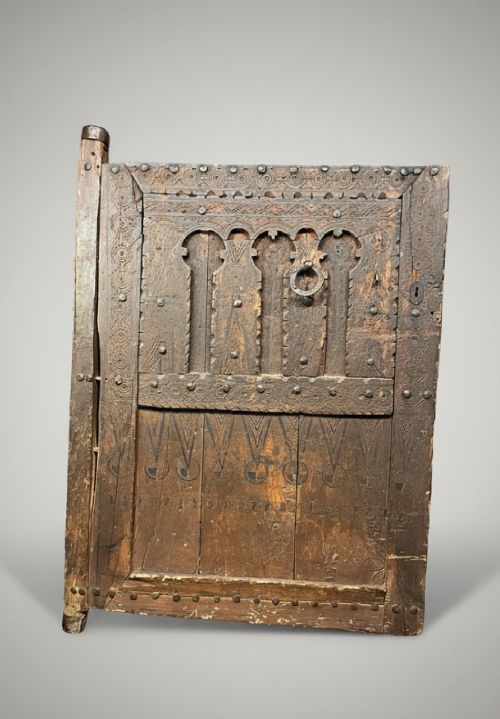
Other items, such as Berber doors, derive from specific regional traditions outside Europe. Each origin imparts distinct stylistic characteristics to the wood, metal, or textile.
How do I clean gilded and carved wood?
Dust carved wooden and gilded surfaces gently with a soft, dry brush or a feather duster. Avoid moisture and chemical cleaning agents, which can strip delicate gold leaf and gesso.
Preserving the original patina involves minimal intervention and keeping the pieces away from direct heat sources and strong sunlight. Regular gentle dusting prevents grime buildup in deep recesses.
What defines the Victorian style in wall panels?
Victorian panels often incorporate Revival styles, heavily drawing upon Baroque and Rococo influences with dramatic scrolling and deep relief carving. These pieces prioritize ornate visual richness and substantial presence.
Makers during this period combined heavy timber construction with elaborate gesso and gilt finishes. The resulting aesthetic suits rooms designed for formal entertaining and display.