


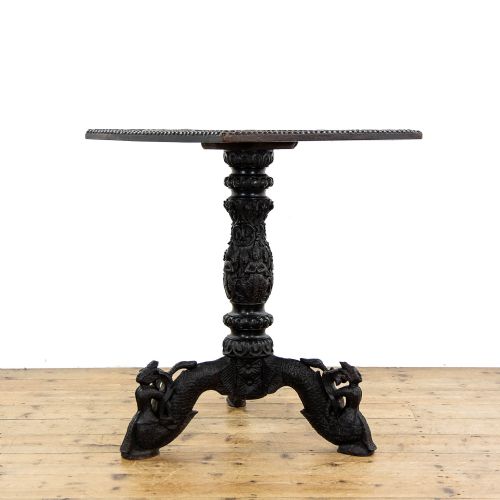


Ornate Tripod Table
An ornate tripod table brings distinctive character and sturdy three-legged support to any room, offering versatile surfaces from wine tables to plant stands.
Ornate Tripod Table
An ornate tripod table is a compact pedestal support designed for occasional use, displaying diverse styles like Victorian, French Rococo, and Anglo-Indian. Buyers examining this page encounter pieces ranging from side tables and wine tables to plant stands and pedestal bases dating from the nineteenth and early twentieth centuries.
The selection includes forms such as bistros, adjustable stands, and lamp bases, originating from diverse cultural traditions including Chinoiserie, North Indian, and French Industrial designs. These varied objects share a three-legged structural foundation paired with decorative surface work or elaborate casting.
Most examples hail from the 19th century alongside early 20th century pieces from 1910 and 1920, reflecting periods of intricate craftsmanship. The forms serve practical domestic functions while showcasing ornamental woodwork, metalwork, and painted detailing.
How they were made
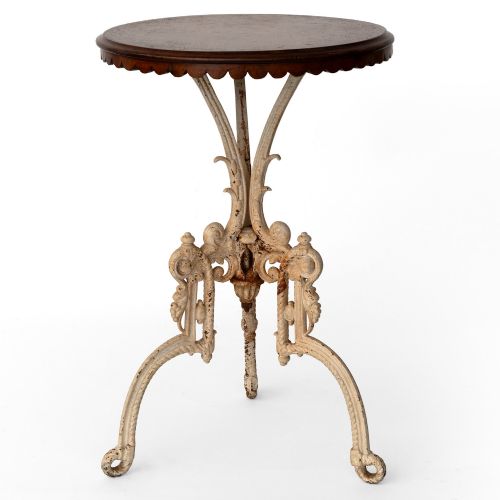
Metals form a substantial part of the construction, utilising cast iron, brass, and copper to create durable scrollwork and adjustable stands. These metal elements provide weight and stability to the three-legged frames, often paired with contrasting finishes or mixed metal components.
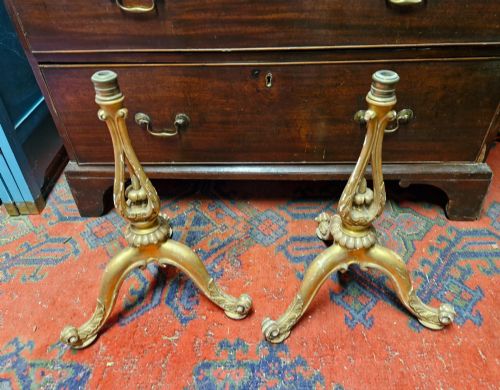
Woodworking traditions employ hardwood, teak, rosewood, and walnut, frequently enhanced by surface embellishments such as mother of pearl inlay and fine detailed paintwork. Artisans applied carving techniques and gilding to wooden frames, seen in gilded bases and carved oriental surfaces.
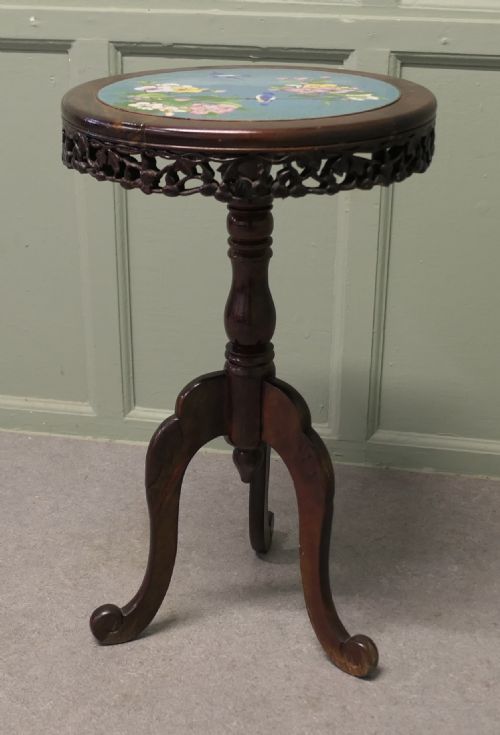
Specialised decorative techniques include cloisonné enamel featuring birds and flowers, alongside Chinoiserie painting. These decorative finishes transform functional stands and occasional tables into ornate visual focal points.
Ornate Tripod Table Retail Price Guide 2026
Typical asking prices for ornate tripod table among the pieces listed under this phrase on Sellingantiques today, from the lower quarter to the upper quarter. They describe what is for sale here now, not the wider market.
Automotive heritage meets domestic decor when an unexpected French walnut stand bears a connection to Rolls Royce.
What varies in quality
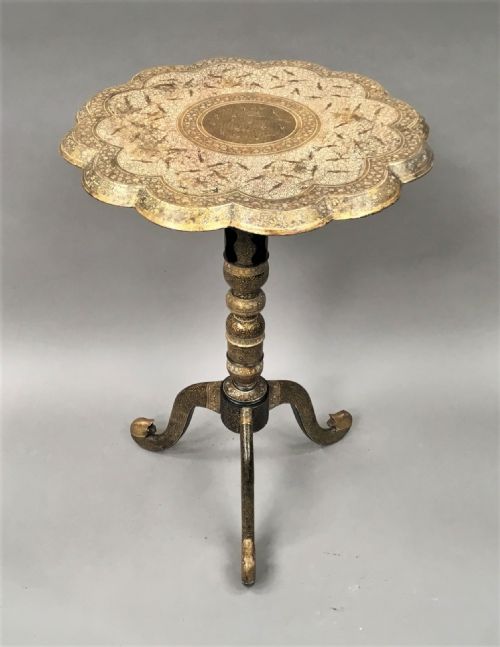
The refinement of surface decoration distinguishes exceptional examples from simpler utilitarian pieces, particularly in hand-painted details and inlay work. Finely detailed paintwork on Kashmir tables or precise mother of pearl inlay on Anglo-Indian pedestals indicates higher artisanal skill.
Material combination and structural execution also set pieces apart, such as the integration of mixed metals in French industrial items versus standard cast iron framing. The depth of carving in wooden elements and the quality of gilding determine the overall visual distinction of each pedestal.
Rolls Royce
The Ornate Tripod Table Glossary
- Tripod table
- A small freestanding table supported by three legs radiating from a central pedestal. This configuration prevents wobbling on uneven floors.
- Cloisonne
- An ancient technique for decorating metalwork objects with colour using enamel held in place by thin metal strips. It creates vibrant patterns of birds and flowers.
- Chinoiserie
- European decorative art style reflecting Chinese artistic influences. It often incorporates painted motifs on furniture and decorative objects.
- Pedestal table
- A table supported by a single central column resting on a footed base. They maximise legroom while supporting circular tops.
- Giltwood
- Wood that has been coated with a thin layer of gold leaf or gold paint. This finish adds a reflective metallic sheen to carved details.
Ornate Tripod Table: Frequently Asked Questions
What is an ornate tripod table used for?
These pieces serve as versatile domestic furnishings functioning as wine tables, side tables, plant stands, or display surfaces for lamps and decorative objects.
Their compact footprint allows them to fit easily into corners or beside seating areas while providing a stable elevated platform.
How do I identify a 19th century table?
Nineteenth century pieces often display distinct material choices like heavy cast iron scrollwork, solid hardwoods, or traditional hand-applied gilding and paintwork.
Examining the construction methods and decorative styles, such as Victorian revival or Anglo-Indian inlay, helps determine the period of origin.
Where should I place a pedestal table?
A pedestal table suits hallways, drawing rooms, or bedrooms where a small surface is needed without occupying much floor space.
The three-legged design ensures stability while the decorative top provides a focal point for plants or lamps.
What materials are common in these tables?
Construction materials range widely from durable cast iron and mixed metals like brass and copper to hardwoods including teak, rosewood, and walnut.
Decorative surfaces frequently incorporate mother of pearl inlay, cloisonne enamel, or detailed hand-painted finishes.