




Ornate Trinket Chest
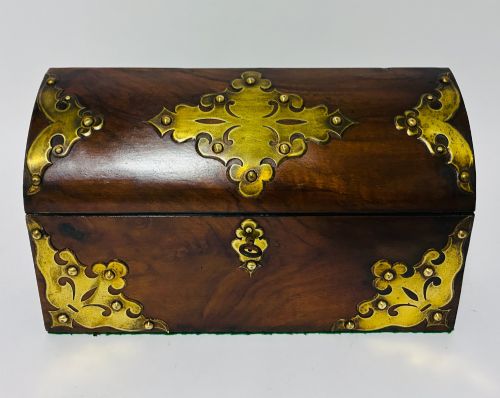
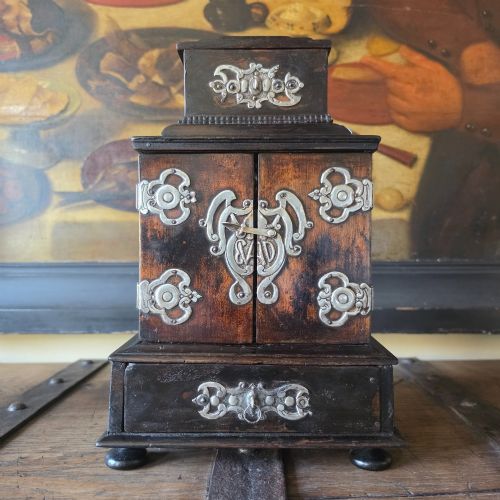
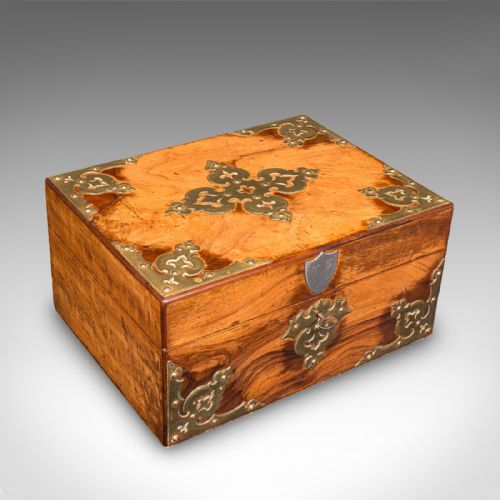
An ornate trinket chest brings tactile history to a dressing table, holding small treasures inside walnut, brass, and carved sandalwood cases.
Ornate Trinket Chest
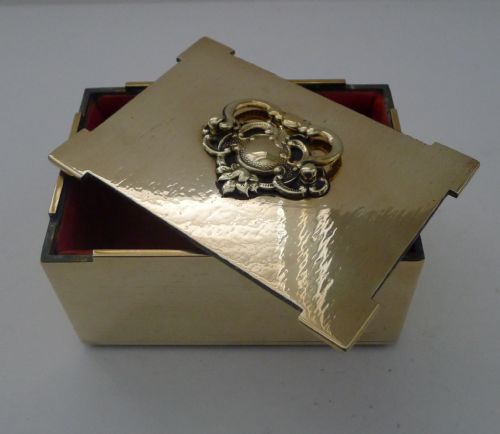
An ornate trinket chest serves as a decorative repository for precious small items, spanning periods from the eighteenth century through the Edwardian era. These pieces appear in forms such as jewellery caskets, sewing cases, and decorative boxes.
The materials and styles range widely, encompassing Victorian rococo revival brass work, French ormolu, Middle Eastern hardwood, and Anglo-Indian sandalwood. Walnut and rosewood examples display marquetry inlay or brass mounting.
Buyers encounter regional craftsmanship from Dutch Colonial pieces to Qajar Iran carvings and Scottish Gothic Revival designs. Each box reflects the specific decorative tastes and storage needs of its original era.
Materials and construction methods
Cabinetmakers utilised hardwoods such as walnut, rosewood, and sandalwood, often pairing them with structural brass mounts or delicate marquetry inlay. Skilled artisans carved intricate relief patterns into dense woods on Burmese and Middle Eastern specimens.
Metalworking played a central role in many pieces, utilising cast brass, ormolu, bronze, and sterling silver. French workshops combined onyx with ormolu or applied silvered and gilt finishes to decorative caskets.
Distinctions in craftsmanship
The refinement of the surface decoration largely separates standard boxes from superior examples, particularly in the precision of marquetry inlay and the depth of wood or metal carving. Finer chests feature robust, well-fitted metal mounts and substantial gauge brass or bronze.
Internal lining and structural joinery also indicate quality, showing meticulous attention to detail in the construction of specialised compartments and sewing cases. The choice of materials, from burr walnut to sterling silver, directly impacts the distinction of the piece.
The Ornate Trinket Chest Glossary
- Ormolu
- Gilded bronze applied to ornamental objects and furniture, frequently found on nineteenth-century French caskets. This technique provides a bright metallic finish that mimics solid gold.
- Marquetry
- The art of applying pieces of veneer to a structure to form decorative patterns. Craftsmen utilised different wood tones to create pictorial designs on box lids.
- Gothic Revival
- An architectural and decorative style drawing inspiration from medieval forms. Pieces in this style often incorporate pointed arches and heavy brass strapwork.
- Burr walnut
- Wood taken from a walnut tree growth featuring swirling grain patterns. This highly decorative timber was favoured for luxury nineteenth-century veneered boxes.
- Qajar
- Pertaining to the Iranian dynasty ruling from the late eighteenth to the early twentieth century. Objects from this period often display characteristic carved wood ornamentation.
Ornate Trinket Chest: Frequently Asked Questions
What were ornate trinket chests originally used for?
These boxes stored valuable personal items such as rings, brooches, and loose coins on dressing tables or desks. Sewing cases also housed needles, threads, and small tools for needlework.
Wealthy households used portable caskets to secure small keepsakes and letters in private chambers or during travel.
How do I identify a Victorian casket?
Victorian pieces often display revivalist characteristics, including Gothic strapwork or ornate rococo scrollwork cast in brass. They frequently utilise dense timbers like walnut or rosewood with elaborate mounts.
Examining the internal construction, hinges, and lock mechanisms helps confirm the nineteenth-century manufacturing period.
Are these boxes suitable for daily use?
These chests function well for holding modern jewellery and small trinkets on a dressing table or shelf. The internal compartments provide organised storage for delicate items.
Careful handling protects delicate wood veneers, silvered finishes, and historic hinges from excessive wear.
How do regional styles differ?
European examples lean towards French ormolu, Gothic revival brass, and walnut marquetry. Middle Eastern and Asian pieces showcase dense sandalwood, carved hardwood, and regional motifs.
Each geographical origin utilises distinct carving techniques and native timber species unique to its workshop traditions.