





Ornate Tabletop
When you search for ornate tabletop, you find small decorative furnishings and timepieces designed to command attention on a surface.
Ornate Tabletop
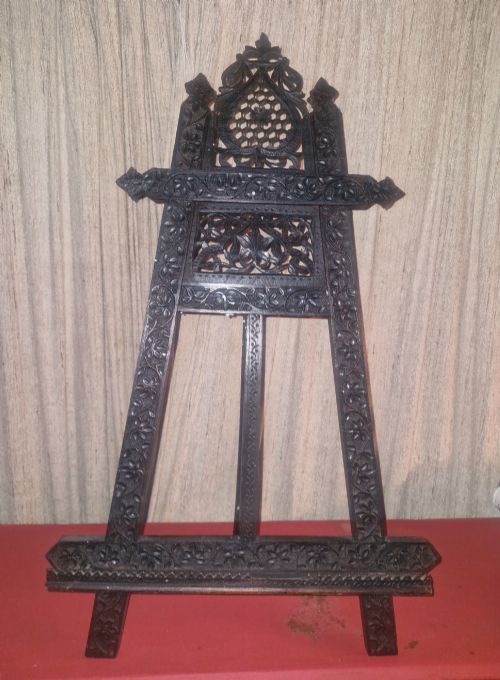
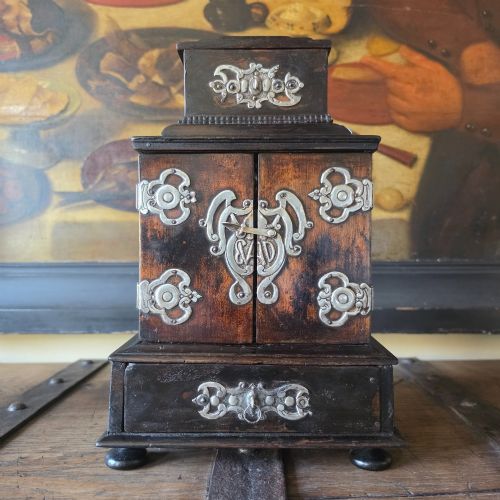
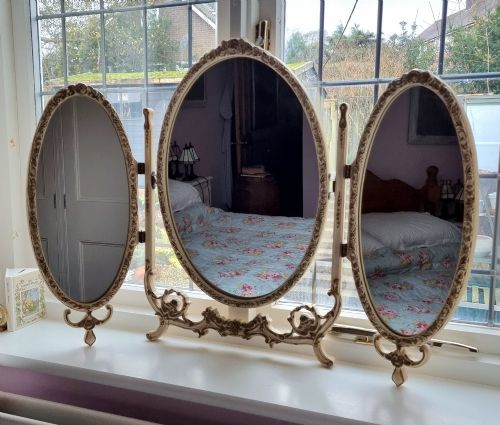
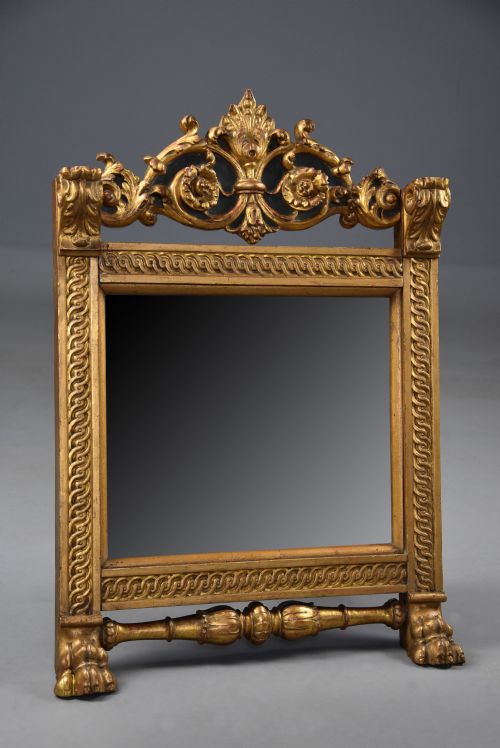
An ornate tabletop object brings functional elegance to a desk, mantelpiece, or dressing bureau through decorative metalwork, carved wood, or glass. These items span a broad period from the nineteenth century into the twentieth century, capturing Victorian, Edwardian, and Rococo Revival tastes.
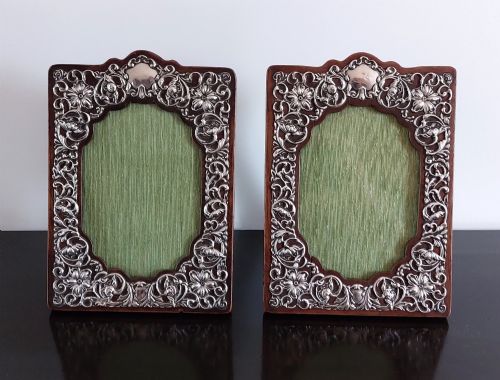
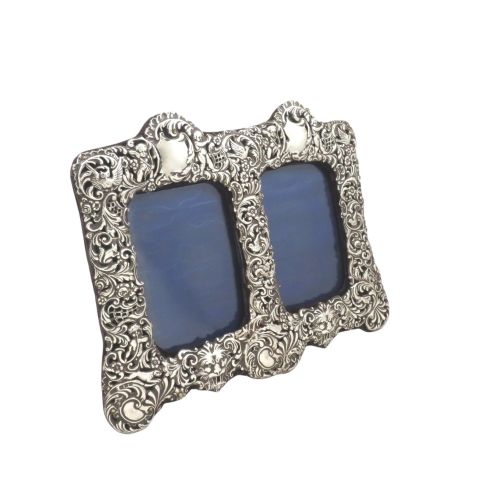
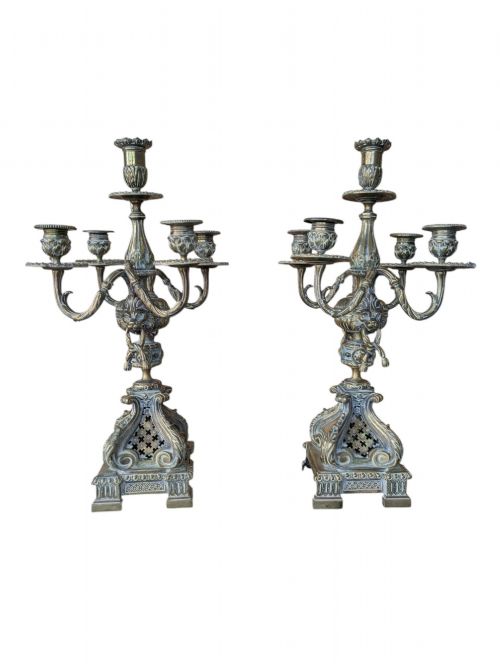
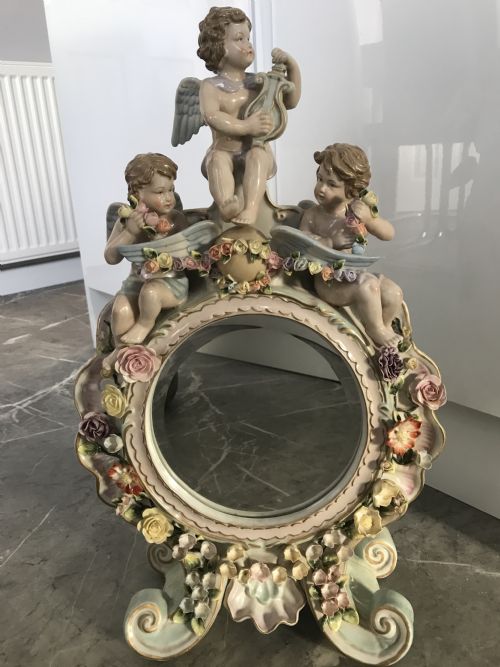
The selection centres heavily on household accessories designed for personal grooming and display. Visitors frequently encounter picture frames, dressing table mirrors, and small clocks alongside candelabra and stationery boxes.
Origins stretch across European workshops, taking in English silver, French gilt bronze, and German carriage clocks. Each piece reflects the nineteenth and early twentieth-century appetite for intricate surface detail in domestic spaces.
What varies in quality
The depth and crispness of the chasing or carving distinguish superior examples from standard production pieces. Fine execution in gilt bronze or cast brass shows sharp relief in floral and figural motifs without softening.
Material substance dictates value, separating solid sterling silver and heavy bronze castings from lighter brass or plated items. Intricate additions like hand-painted porcelain panels or bevelled mirror glass elevate the status of a piece.
Ornate Tabletop Retail Price Guide 2026
Typical asking prices for ornate tabletop among the pieces listed under this phrase on Sellingantiques today, from the lower quarter to the upper quarter. They describe what is for sale here now, not the wider market.
Object types span carriage clocks, picture frames, and dressing table mirrors.
Howell And James London·Walker And Hall·Hardy Brothers·Royal Worcester·Brunelot
The Ornate Tabletop Glossary
- Ormolu
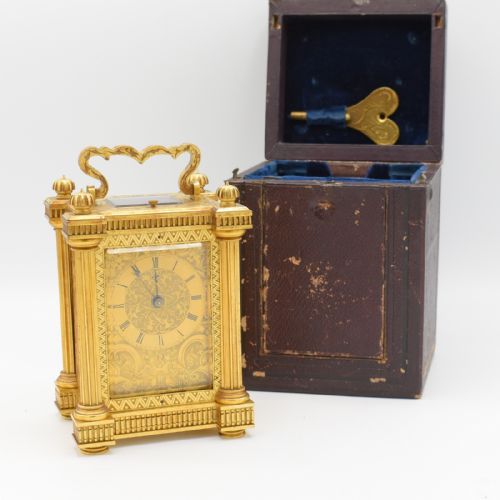
- Gilded bronze, commonly utilised in French decorative metalwork during the nineteenth century. The technique applies a gold amalgam to a bronze base.
- Champlevé
- An enamelling technique where troughs or cells are hollowed out of a metal surface and filled with vitreous enamel before firing. It frequently appears on nineteenth-century French frames and clocks.
- Easel mirror
- A tabletop mirror supported by a hinged leg at the rear. This mechanism allows the glass to tilt at a convenient angle for dressing.
- Carriage clock
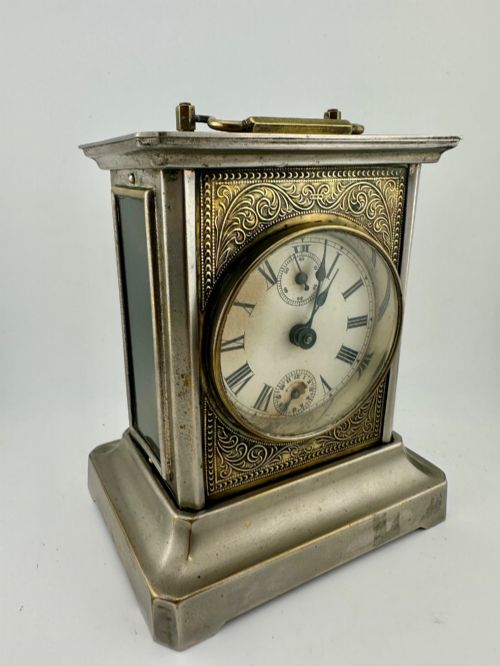
- A small, portable spring-driven clock made for travellers during the nineteenth century. They often feature brass and bevelled glass cases enclosing intricate mechanical movements.
- Bevelled glass
- Glass with an edge ground and polished to an angle thinner than the rest of the pane. This treatment catches the light and adds a decorative border to mirrors and clock faces.
Ornate Tabletop: Frequently Asked Questions
What rooms suit ornate tabletop items?
These decorative objects sit comfortably on dressing tables, mantelpieces, and writing desks where their detailed metalwork or carved frames can catch the light.
They function well in living spaces and bedrooms, adding period character to surface displays without demanding floor space.
How do I identify a Victorian piece?
Victorian items often display heavy cast brass, sterling silver with full hallmarks, or elaborate floral repoussé work dating between eighteen thirty and nineteen hundred.
Look for hallmarks on silver and stylistic clues like Rococo Revival scrolls which point directly to nineteenth-century manufacture.
Were carriage clocks meant to travel?
Carriage clocks originated as portable timepieces for nineteenth-century travellers, housed in sturdy brass and glass cases with folding handles.
Today they function primarily as decorative tabletop clocks rather than portable instruments for transit.
What is Old Sheffield Plate?
Old Sheffield Plate is an early composite material made by fusing a thin sheet of silver to a thicker copper base.
Craftsmen utilised this method before modern electroplating became widespread in the nineteenth century.