


Ornate Table Lights
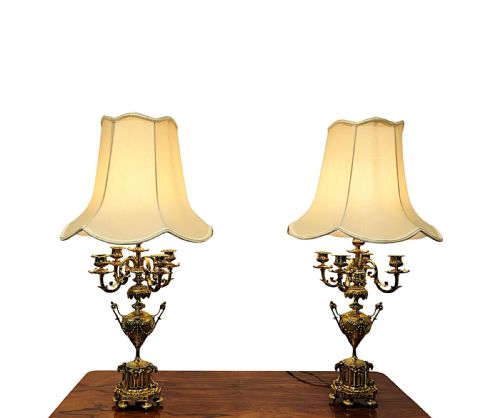
Ornate table lights bring decorative illumination and period character into a room through elaborate metalwork and fine porcelain.
Ornate Table Lights
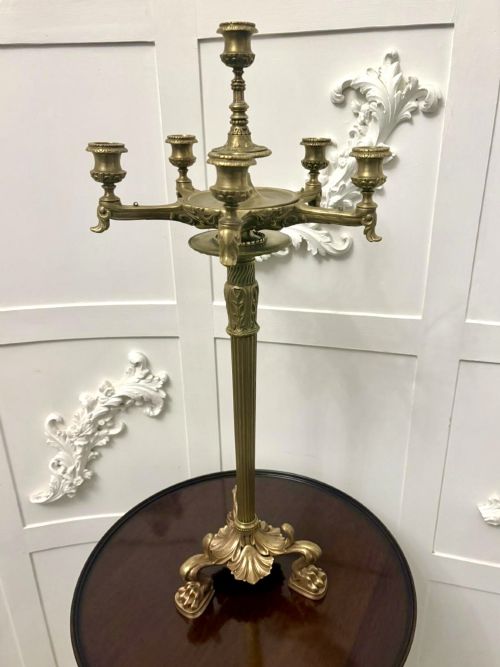
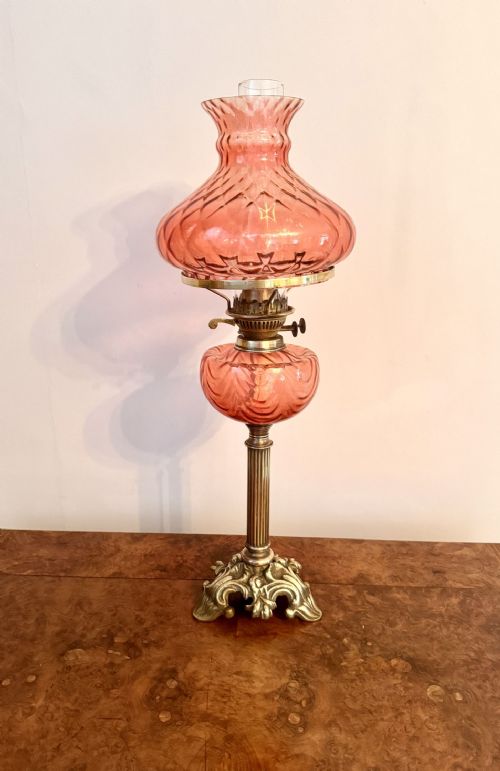
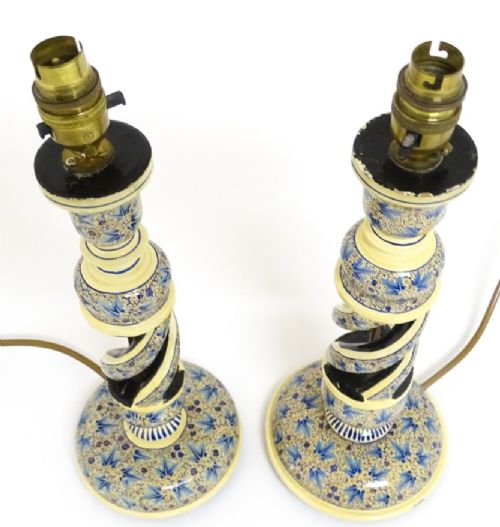
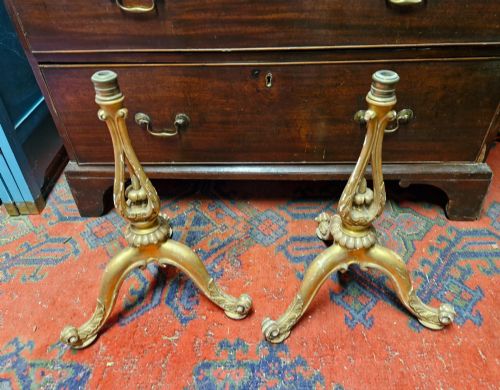
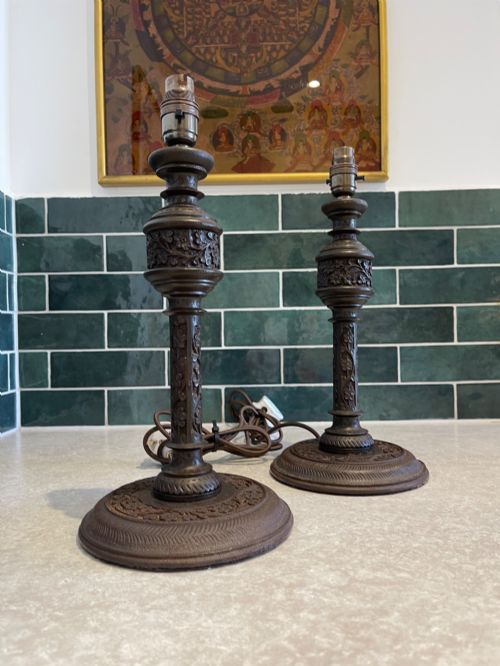
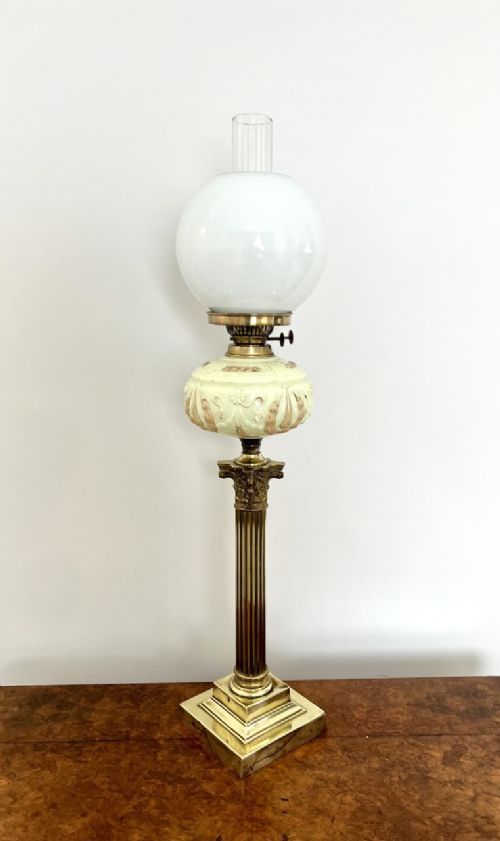
When you search for ornate table lights, you encounter a diverse collection of historic lighting fixtures designed to sit upon tables, including converted oil lamps, candelabras, candlesticks, and dedicated lamp bases.
The selections span the nineteenth and early twentieth centuries, drawing heavily upon Victorian, Edwardian, Regency, and French revival aesthetics.
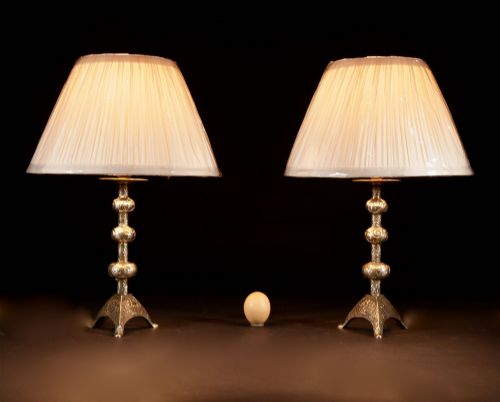
You are most likely to meet brass, gilt bronze, and silver-plated forms, often paired with glass reservoirs, marble plinths, or painted porcelain bodies.
How they were made
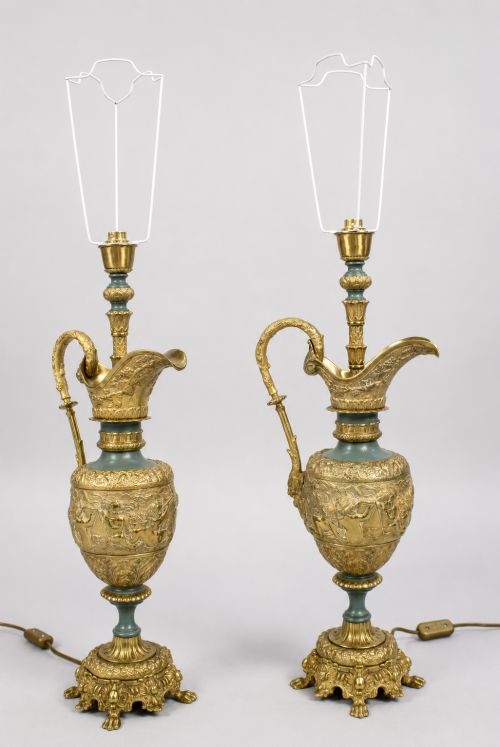
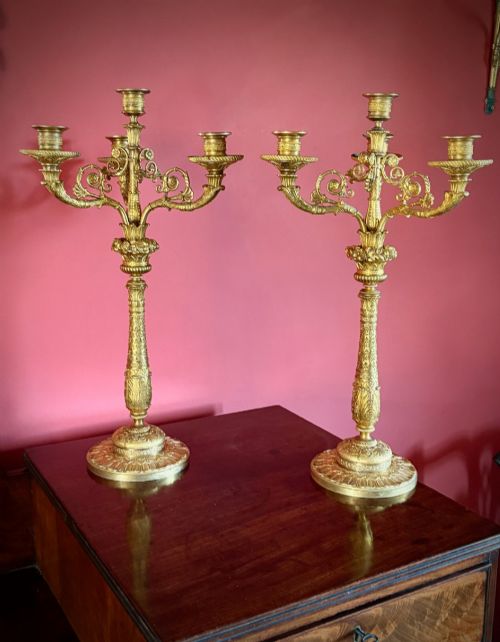
Maker's workshops utilised casting techniques for metals such as brass, gilt bronze, and ormolu, producing intricate bases, scrolling arms, and Corinthian columns.
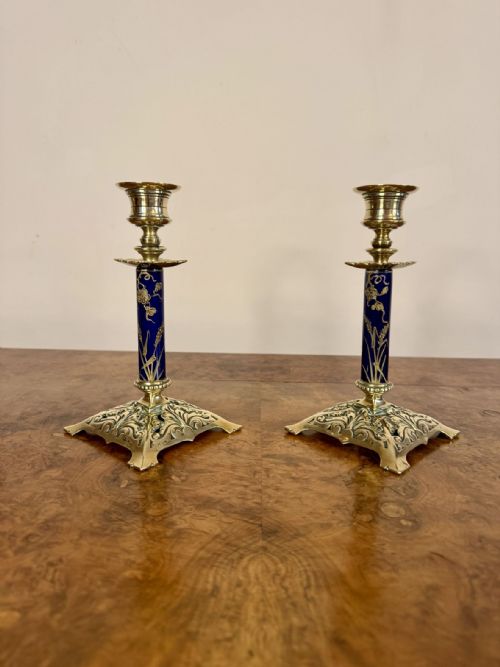
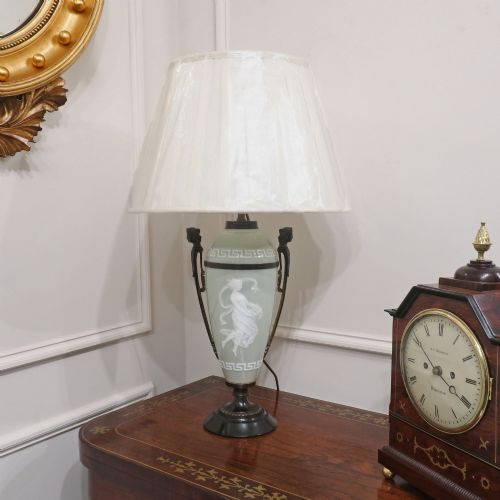
Porcelain and glass elements, including cranberry glass and Paris porcelain, were hand-painted or glazed, sometimes incorporating pate sur pate decoration or champleve enamel work.
Many examples began life as oil lamps or candleholders before undergoing later conversion to electricity, retaining their original detachable sconces or burner mechanisms.
Ornate Table Lights Retail Price Guide 2026
Typical asking prices for ornate table lights among the pieces listed under this phrase on Sellingantiques today, from the lower quarter to the upper quarter. They describe what is for sale here now, not the wider market.
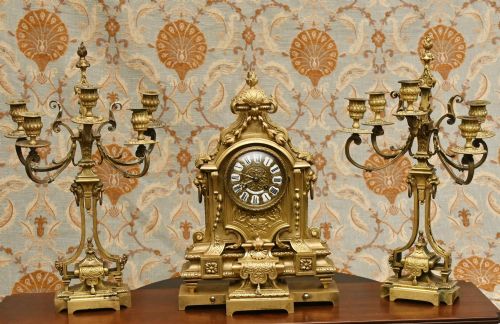
Object types include table lamps, candelabras, candlesticks, oil lamps, lamp bases, clock garniture sets, and standard lamps.
What varies in quality
The standard of chasing and surface finishing dictates visual success, where crisply rendered leaf motifs and deeply detailed cast elements distinguish finer objects from simpler production.
Material integration also plays a role, as seen in the deliberate combination of genuine marble mounts, heavy cast bronze, and unblemished opaline or cranberry glass rather than lighter stamped metals.
Smith & Sissons & Co·Wild and Wessel
The Ornate Table Lights Glossary
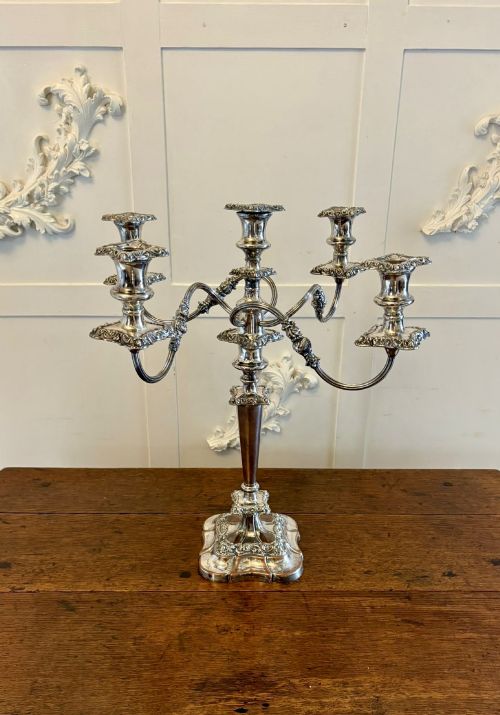
- Candelabra
- A branched lighting fixture designed to hold multiple candles or light bulbs. They frequently feature detachable sconces and ornate central stems.
- Ormolu
- Gilded bronze, where a layer of finely ground gold-mercury amalgam is applied to a bronze base. This technique creates a rich golden surface finish on decorative mounts.
- Opaline glass
- An opaque or translucent pale glass popular in the nineteenth century. It often appears in shades of white or pastel and decorates lamp bodies.
- Champleve
- An enamelling technique where troughs are dug into a metal surface and filled with vitreous enamel. The resulting piece is then fired and polished flat.
- Garniture set
- A matched group of ornamental objects designed to display together on a mantelpiece or sideboard. They often include a central clock flanked by matching candelabras.
Ornate Table Lights: Frequently Asked Questions
What is an oil lamp conversion?
An oil lamp conversion is the process of adapting a historic paraffin or kerosene lamp to run on electricity. This preserves the decorative brass or porcelain reservoir while allowing modern household use.
Most conversions retain the original burner collar and chimney gallery, meaning the structural integrity of the period piece remains largely undisturbed beneath the new wiring.
How do I identify French revival styles?
French revival styles such as Louis XVI or Rococo incorporate characteristic motifs like scrolling acanthus leaves, classical urns, cherubs, and asymmetrical floral framing. These designs emphasise ornate visual texture and theatrical presence.
Examining the casting quality on the base and handles often reveals whether a piece leans towards restrained neoclassical symmetry or exuberant rococo curves.
Can I use standard lampshades with these?
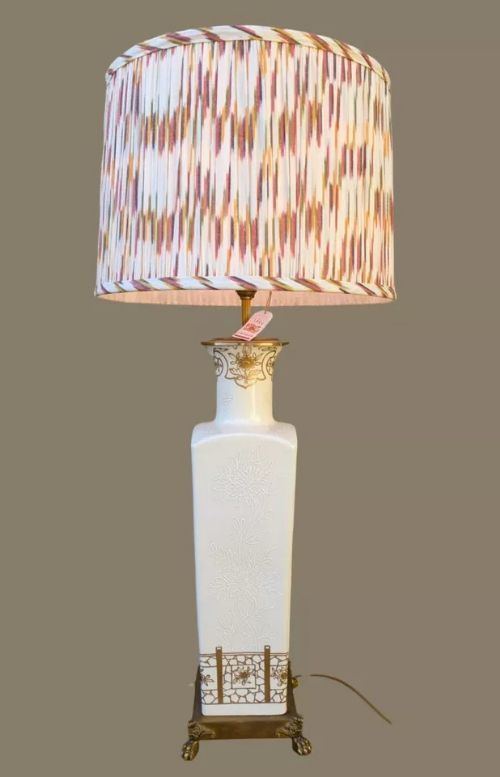
Many table lights require specific shade carrier rings or bridge adapters, particularly if they retain older brass fittings or converted oil burner galleries. It is wise to check the existing shade support before purchasing.
Matching the scale of the base to the shade ensures the piece remains balanced both visually and physically on your furniture.
How do I care for gilt metal?
Gilt metal and ormolu require gentle dusting with a soft, dry brush rather than chemical cleaning polishes. Abrasive cleaners strip away the delicate gold layer.
Keep these lights away from direct moisture and handling oils to preserve the original nineteenth-century surface finish over time.