

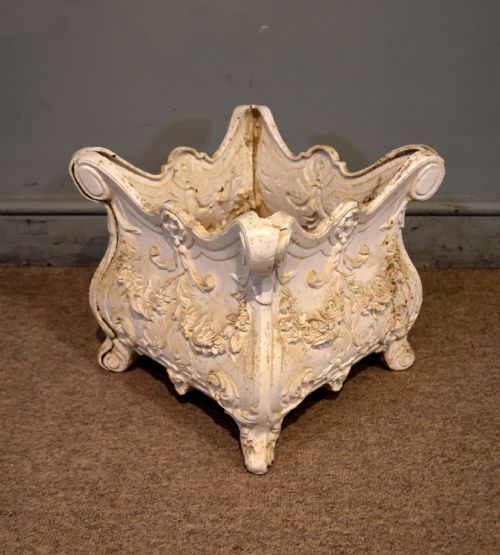


Ornate Metal Jardiniere
An ornate metal jardiniere brings sculptural plant display indoors, offering heavy cast metals and intricate period styles to suit any room.
Ornate Metal Jardiniere
An ornate metal jardiniere functions as a decorative vessel for plants, bridging the gap between indoor furnishing and botanical display. These pieces range from small table bowls to freestanding stands designed to hold greenery in reception rooms.
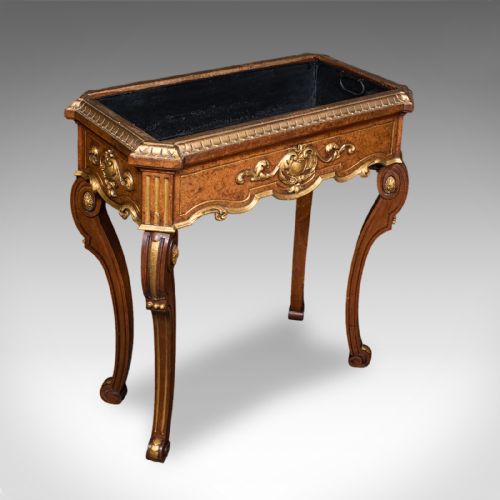
The versions met most frequently on this page originate from nineteenth-century French and English workshops, spanning styles from Victorian and Gothic Revival to French Rococo Revival. Makers utilised durable materials to create elaborate plant holders for domestic and garden settings.
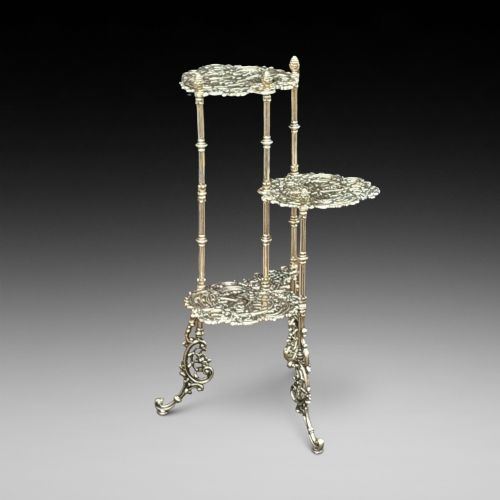
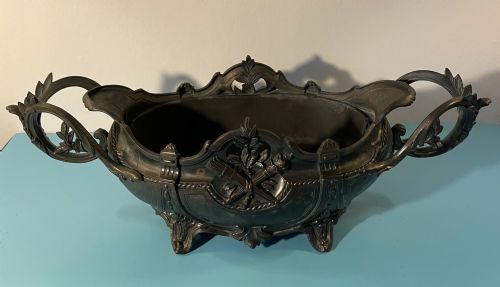
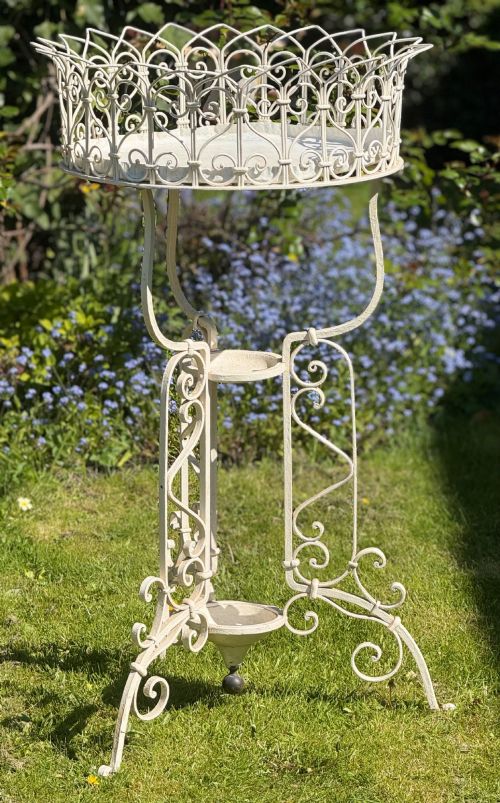
Forms vary from simple decorative bowls to complex planter tables and multi-tiered stands. Buyers encounter everything from cast iron garden troughs to polished brass and bronze vessels adorned with animal masks and repoussé detail.
How they were made
Foundry work dominates the construction of these vessels, utilising cast iron, cast brass, spelter, and bronze. Molten metal poured into moulds allowed makers to achieve deep relief ornamentation, architectural mouldings, and figural handles.
Surface finishing involved hand chasing, silvering, and repoussé work, where metal was hammered from the reverse to raise decorative motifs. Paint finishes and patinated bronze surfaces were also applied to enhance the visual depth of the metalwork.
Ornate Metal Jardiniere Retail Price Guide 2026
Typical asking prices for ornate metal jardiniere among the pieces listed under this phrase on Sellingantiques today, from the lower quarter to the upper quarter. They describe what is for sale here now, not the wider market.
Listings feature items cast in iron, brass, bronze, and spelter, spanning the eighteenth, nineteenth, and early twentieth centuries.
What varies in quality
The weight and gauge of the metal dictate the structural integrity of the vessel, with thicker brass and heavier cast iron providing greater stability. Furthermore, the finesse of the hand-chased surface details determines the artistic merit of the finished object.
Coalbrookdale·Lerolle Fres
The Ornate Metal Jardiniere Glossary
- Repoussé
- Metalworking technique where the design is hammered into relief from the reverse side. This method creates tactile surface patterns on brass and copper vessels.
- Spelter
- Zinc alloy cast to imitate bronze, commonly utilised in nineteenth-century decorative items. It offers a lighter alternative to heavier metals while accepting various metallic finishes.
- Jardiniere
- Ornamental receptacle designed to hold growing plants or floral arrangements. The term encompasses tabletop bowls, stands, and fitted planter tables.
- Ormolu
- Gilded bronze ornamentation applied to furniture and decorative objects during the eighteenth and nineteenth centuries. The process involves applying a gold-mercury amalgam to a bronze base.
- Gothic Revival
- Architectural and decorative style drawing inspiration from medieval forms. Pieces display pointed arches, tracery, and heraldic motifs.
Ornate Metal Jardiniere: Frequently Asked Questions
How do I clean an antique metal jardiniere?
Dust the surface regularly with a soft, dry cloth to prevent dirt accumulation. Avoid harsh chemical polishes that can strip original patination from brass, bronze, or cast iron.
For pieces with applied paint or delicate silvering, restrict cleaning to gentle wiping. Moisture should not be left sitting inside unlined metal bowls to prevent corrosion.
Can I plant directly into an antique jardiniere?
Many antique planters lack drainage holes because they were originally designed to hold potted plants concealed inside. Direct planting risks water retention and internal rusting, particularly in cast iron or spelter vessels.
Utilising a separate plastic or terracotta inner pot protects the metal interior from moisture damage. This method also allows for easier watering and changing of botanical displays.
How do I identify a French nineteenth-century jardiniere?
French pieces often display specific stylistic indicators such as Rococo Revival curves, Empire symmetry, or Napoleon III patination. Cast bronze and silvered finishes appear frequently alongside refined floral chasing.
Makers' marks or foundry stamps occasionally appear on the underside or base rim. The overall lightness of line distinguishes French work from heavier English cast iron counterparts.
Where should I place a heavy cast iron planter?
Heavy cast iron stands and troughs require sturdy placement on stable flooring, whether indoors in a conservatory or outdoors in a garden setting. Their substantial weight makes them secure against tipping once loaded with soil and plants.
Consider the visual scale of the room, as large multi-tiered plant stands serve as focal points. Ensure adequate clearance around the piece to appreciate the cast relief work and handles.