

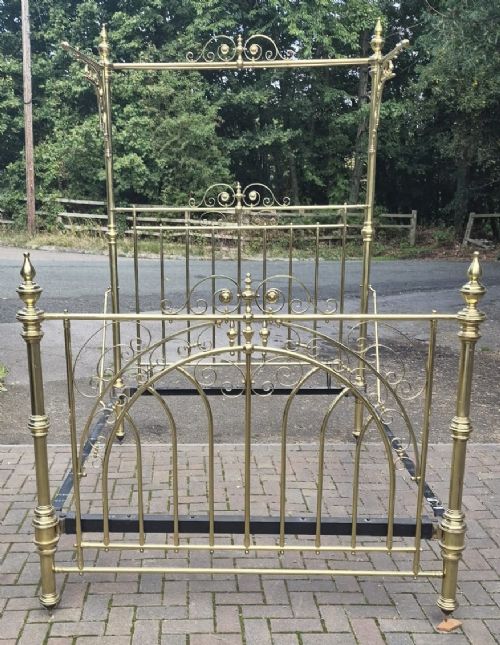
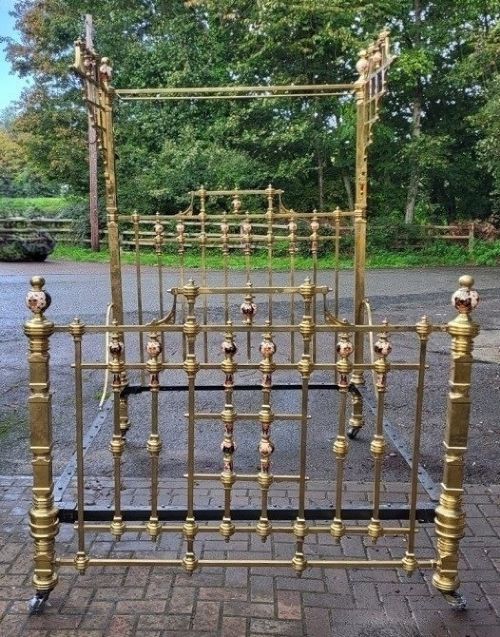
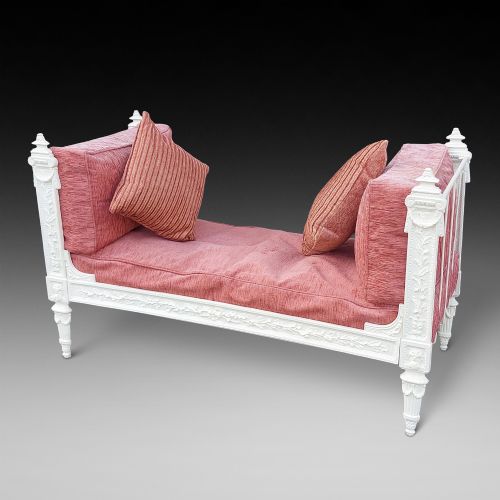

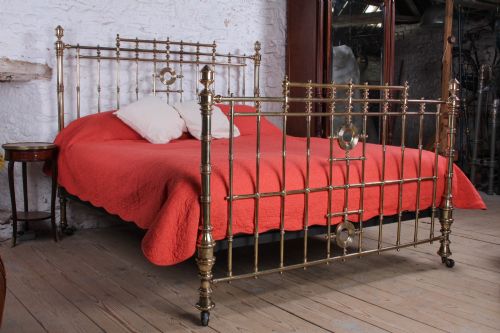


Ornate Metal Bed Frame
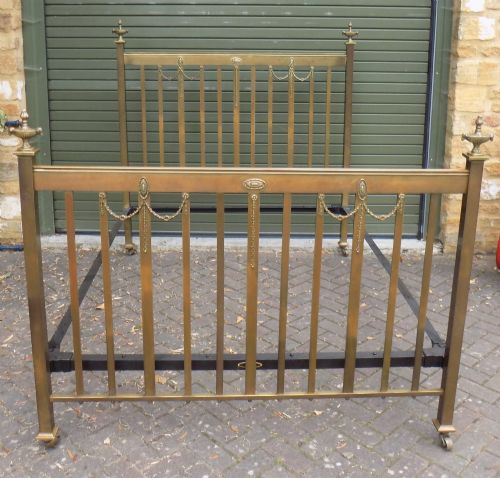
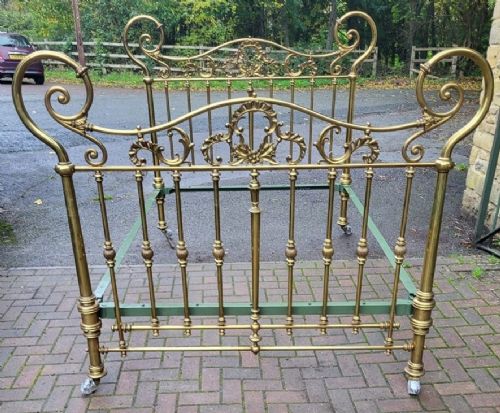
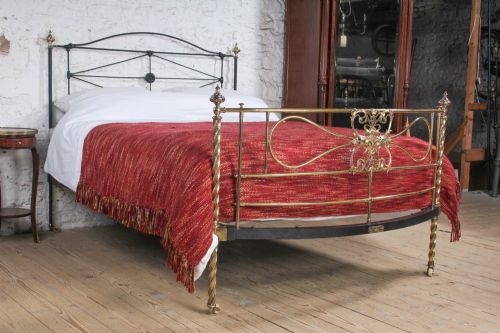
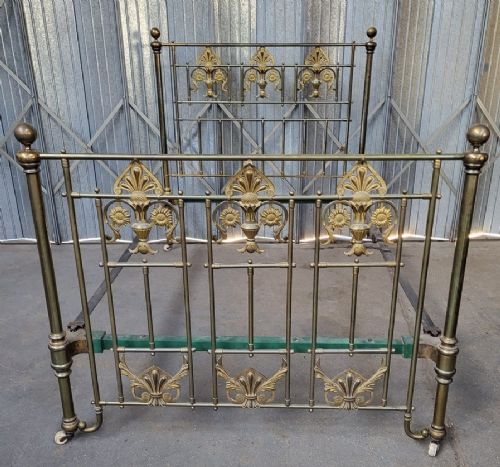
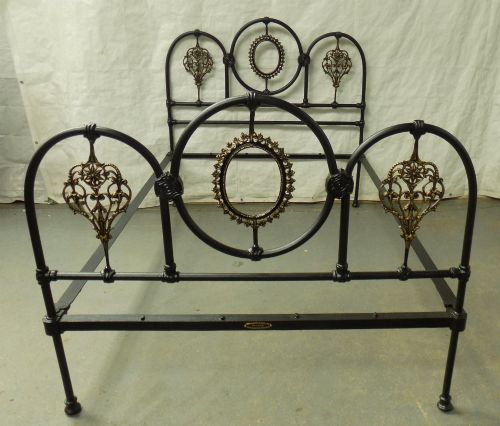
An ornate metal bed frame brings monumental presence to a bedroom through intricate brass castings and robust iron framework.
Ornate Metal Bed Frame
When searching for an ornate metal bed frame, buyers encounter substantial Victorian and nineteenth-century pieces designed for domestic sleeping quarters. The selection here leans heavily toward Victorian brass and iron bedsteads, alongside daybeds and grand half tester configurations.
Most examples hail from the nineteenth century, ranging from the eighteen-fifties through to nineteen hundred, with regional variations appearing from France, Italy, Portugal, and America. Forms vary from simple single beds and daybeds up to expansive king size and super king proportions, occasionally featuring four poster designs.
Makers such as Winfield and Maple and Co. emerge in the listings, bringing documented workshop pedigree to standard domestic furniture. Buyers primarily seek these pieces to anchor a bedroom scheme with period weight and decorative metalwork.
How they were made
Construction relies upon combinations of cast iron, wrought iron, and heavy sheet brass, often united to form rigid structural headboards and footboards. Metal components were cast, hammered, and joined to support standard bedding while carrying elaborate decorative motifs.
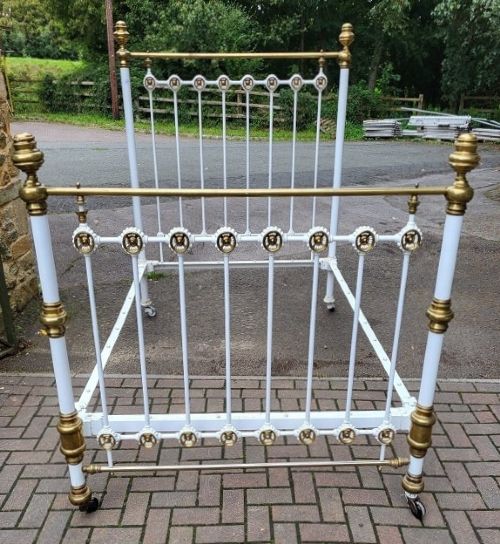
Surface finish involved applied paint or exposed polished brass, sometimes complemented by ceramic or fabric elements integrated into the frame. Daybeds and folding single beds utilised articulated metal mechanisms to allow flexible placement within rooms.
Ornate Metal Bed Frame Retail Price Guide 2026
Typical asking prices for ornate metal bed frame among the pieces listed under this phrase on Sellingantiques today, from the lower quarter to the upper quarter. They describe what is for sale here now, not the wider market.
Some nineteenth century metal beds were built for royalty in the Ottoman Empire, proving that morning grogginess spares no rank.
What varies in quality
The sophistication of the brass castings and the intricacy of the iron scrollwork dictate the visual hierarchy across these frames. Exhibition quality pieces demonstrate superior detailing in their decorative mounts and heavier gauge metals compared to standard domestic examples.
Attribution to documented makers like Winfield or retailers such as Maple and Co. elevates the standing of an individual bedstead. The scale of the frame, from single daybeds up to king size half testers, also influences the presence and architectural ambition of the piece.
Winfield·Maple and Co·RW Winfield
The Ornate Metal Bed Frame Glossary
- Bedstead
- The framework of a bed, consisting of headboard, footboard, and side rails designed to support a mattress. Traditional bedsteads utilise metal bolted joints to secure the structure.
- Half Tester
- A bedstead featuring a partial canopy that extends only partway over the head of the bed rather than covering the full length. This configuration provides architectural focus without dominating the entire room.
- Tole Ware
- Painted or lacquered metal items, often tinplate or sheet iron, decorated with colourful motifs. In bed frames, this technique introduces painted surface ornament rather than exposed brass.
- Daybed
- A versatile piece serving as both a seat during the day and a bed at night, frequently constructed with iron or brass framework. These items often feature a raised back or side rail for lounging.
Ornate Metal Bed Frame: Frequently Asked Questions
How do I fit a modern mattress?
Many Victorian and nineteenth-century metal frames were built to historical dimensions rather than contemporary standard mattress sizes. Checking the internal rail measurements ensures a proper fit before acquiring bedding.
Custom mattress makers can supply bases tailored to unusual widths and lengths, allowing antique frames to function practically in modern homes.
Are these beds easy to dismantle?
Most antique metal bed frames use wedge-locked dovetail joints or heavy iron bolts to connect the side rails to the headboard and footboard. This engineering allowed nineteenth-century households to take down furniture easily during moves.
Assembly typically requires basic hand tools and two people to manage the weight of solid cast iron and brass components safely.
What is a half tester bed?
A half tester incorporates a projecting overhead canopy supported by the headboard posts, historically hung with fabric curtains to retain warmth. In metal examples, the canopy structure forms an integral part of the decorative iron or brass framework.
This style offers the grandeur of a full tester without requiring the extensive ceiling height usually associated with traditional four poster beds.
Can single beds be joined together?
Certain pairs of antique single beds were manufactured with compatible side rails or matching dimensions to allow dual configuration. This design permitted beds to stand separately or combine into a larger sleeping platform.
Checking the specific joint fittings reveals whether individual frames possess the capability to link securely as a pair.