



Ornate Iron Stand
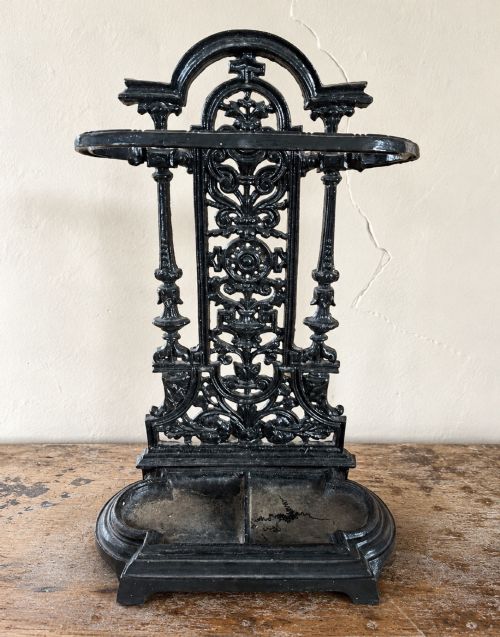
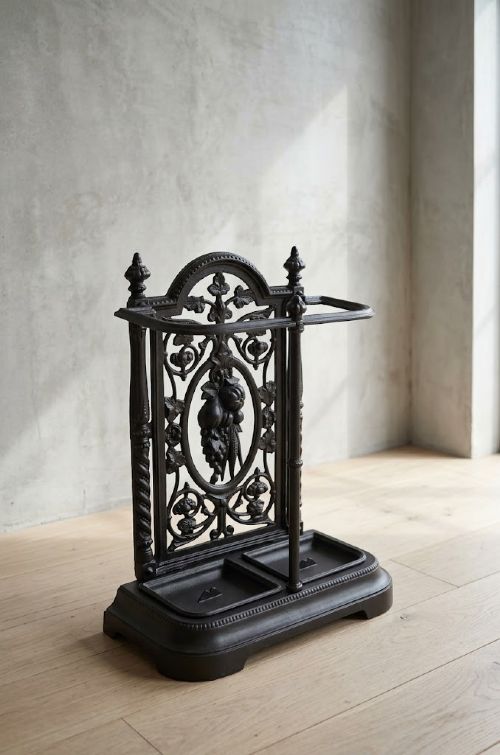
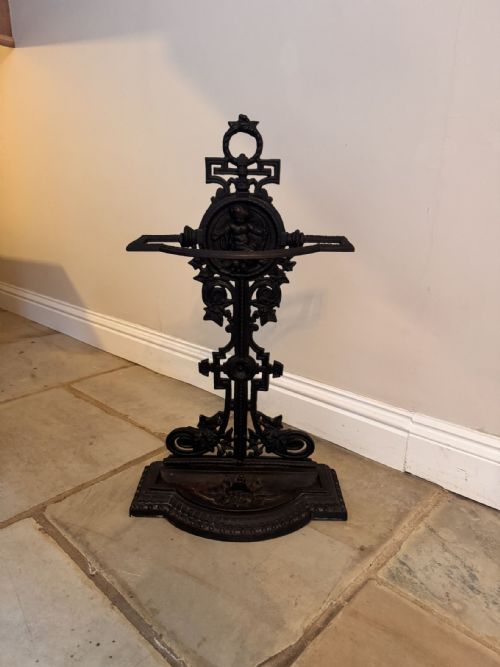
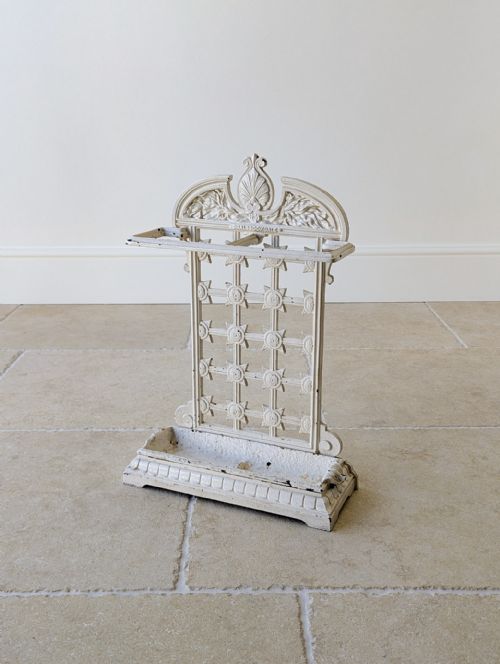
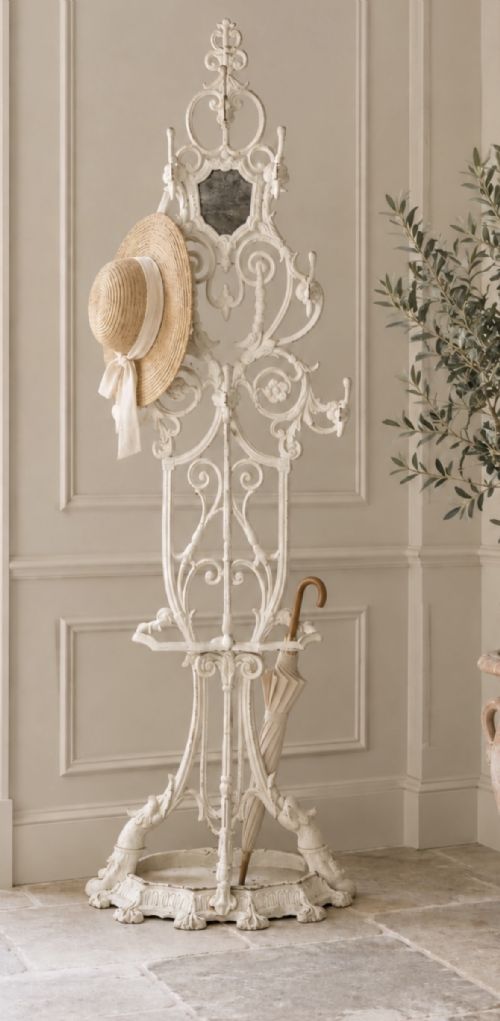
An ornate iron stand brings functional utility to a hallway or garden while displaying the intricate capabilities of nineteenth-century metalwork.
Ornate Iron Stand
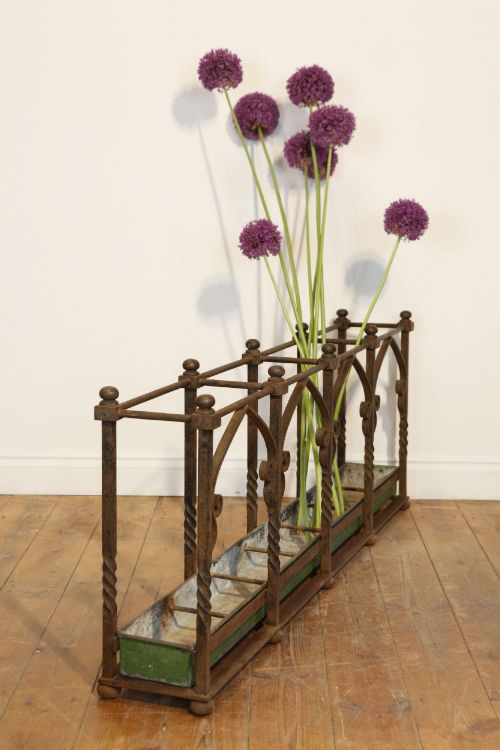
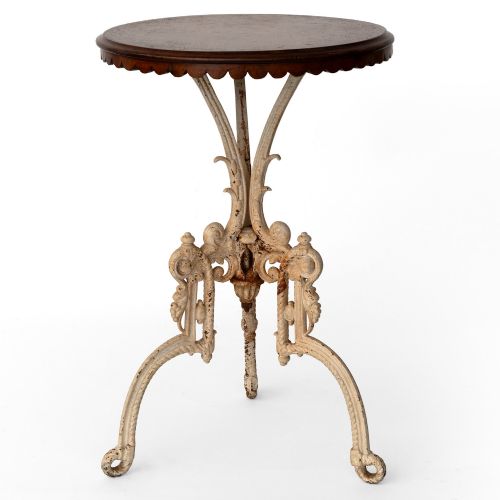
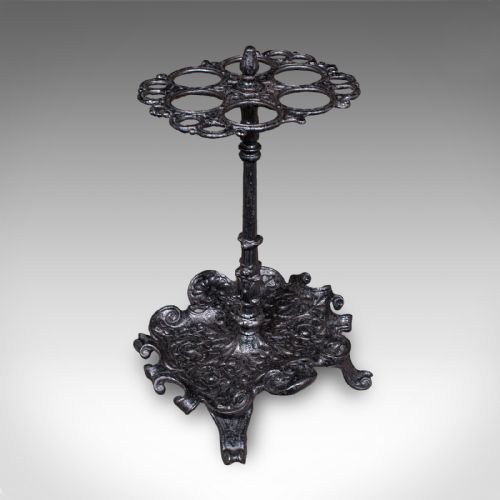
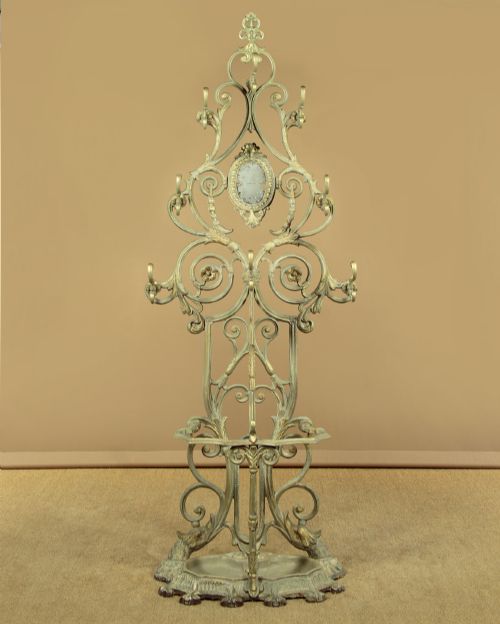
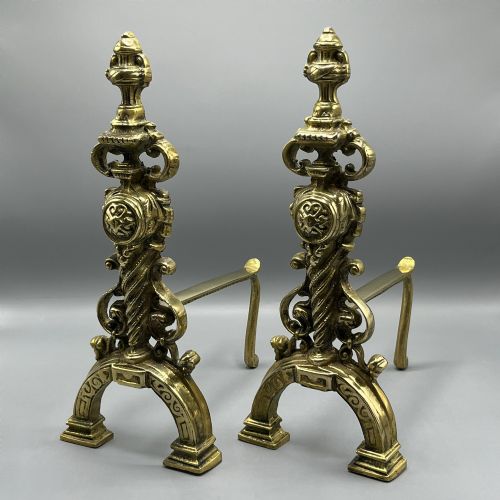
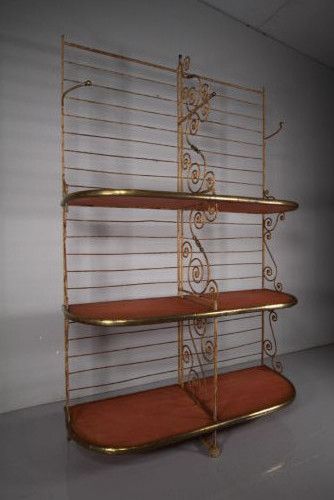
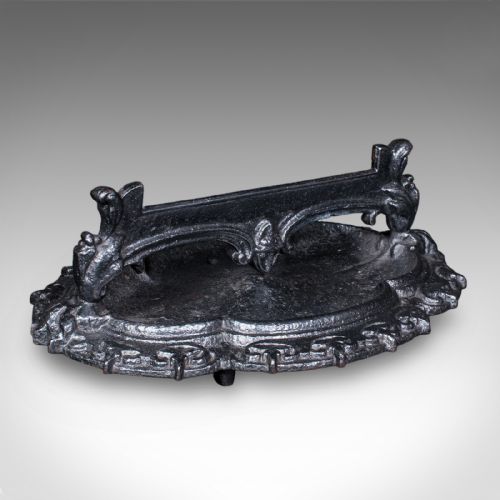
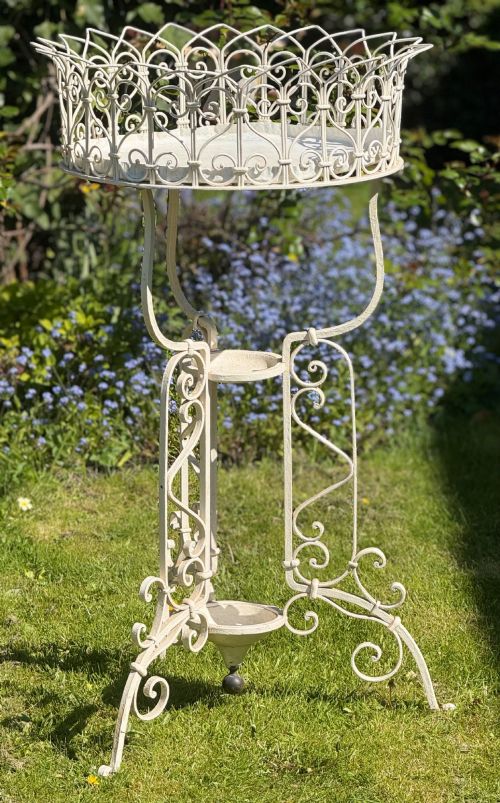
Beyond hall furniture, the category extends to plant stands, bakers racks, and boot scrapers originating from the nineteenth century through the Edwardian period. English and French workshops produced these items to serve specific household roles while adding decorative presence to thresholds and reception rooms.
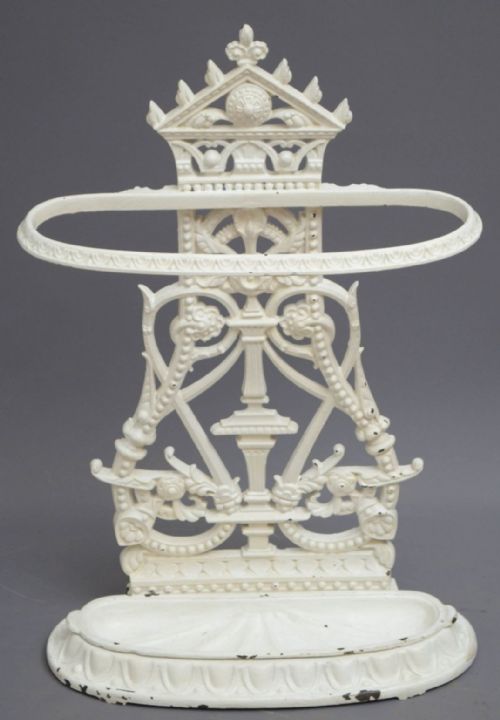
Most examples rely on robust forms that combine stick loops, drip pans, and coat hooks into a single architectural unit. These domestic objects reflect the period's taste for patterned metalwork in everyday interior settings.
Distinguishing quality in metal stands
The degree of crispness in the cast detail dictates the visual success of the piece. Superior examples exhibit sharply defined scrollwork, legible maker's marks or registration numbers, and balanced proportions that maintain stability despite the heavy material.
Structural integrity also separates standard utility pieces from exceptional items. Well-preserved drip pans, intact stick loops, and secure joints without visible fractures indicate careful historical use and superior original manufacturing standards.
Ornate Iron Stand Retail Price Guide 2026
Typical asking prices for ornate iron stand among the pieces listed under this phrase on Sellingantiques today, from the lower quarter to the upper quarter. They describe what is for sale here now, not the wider market.
Available forms range from umbrella and stick stands to plant tiers, bakers racks, and doorway boot scrapers.
Coalbrookdale
The Ornate Iron Stand Glossary
- Cast iron
- A strong, hard iron-carbon alloy produced by pouring molten metal into a mould to create complex decorative shapes. This material forms the rigid structure of most Victorian umbrella and stick stands.
- Wrought iron
- Tough, malleable iron beaten into shape by hand or machine rather than poured into a mould. It appears in bakers racks and garden stands where tensile strength and linear scrolling are required.
- Stick loop
- A metal divider or hoop integrated into the upper frame of a stand to keep walking canes and umbrellas upright. This feature prevents long items from sliding sideways.
- Drip tray
- A shallow metal or ceramic basin positioned at the base of an umbrella stand to catch rainwater from wet items. It protects floor surfaces from moisture damage.
- Hall stand
- A tall piece of hall furniture combining umbrella storage, coat hooks, and frequently a mirror or glove box. It served as a central hub for outdoor garments in entrance halls.
Ornate Iron Stand: Frequently Asked Questions
What is an ornate iron stand used for?
These metal stands served practical domestic purposes in nineteenth-century hallways, storing wet umbrellas, walking sticks, and heavy coats near the primary entrance.
Today, they function similarly in modern hallways or porches while introducing period character and sculptural metalwork to interior spaces.
How do I identify a Victorian iron stand?
Victorian examples typically display heavy cast iron construction, dark painted finishes, and decorative motifs associated with Gothic revival, Rococo taste, or aesthetic movement design.
Maker's marks, registration numbers, or stylistic connections to major foundries help confirm the nineteenth-century production date.
Where should I place a stick stand at home?
Entrance hallways and porches remain the traditional and most practical locations for these stands, keeping wet items near the threshold.
They also adapt well to boot rooms or large kitchens where sturdy, moisture-resistant furniture accommodates everyday walking gear.
How do I care for antique iron furniture?
Maintain the surface by dusting regularly with a dry cloth and avoiding harsh chemical cleaners that might strip historical painted finishes.
Keep the metal away from persistent dampness to prevent active corrosion, and periodically check that any interior drip pans are cleaned and dried.