





Ornate Hanging Lamp
An ornate hanging lamp commands a room with intricate metalwork and glass, bringing warmth and dramatic shadow to high ceilings.
Ornate Hanging Lamp
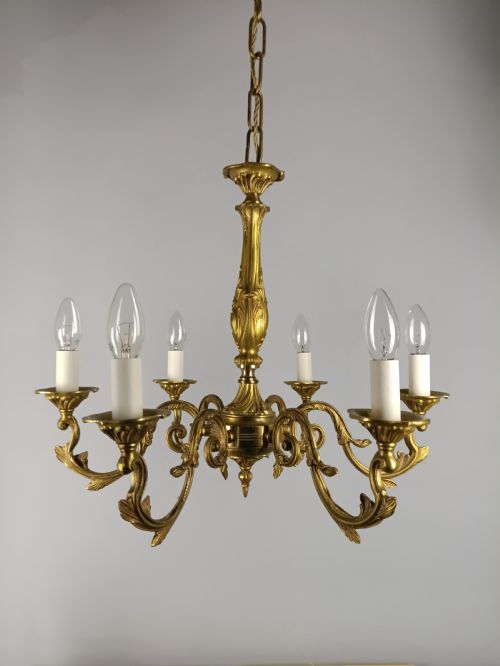
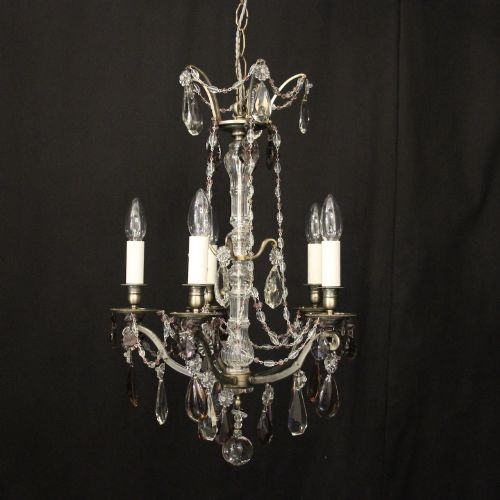
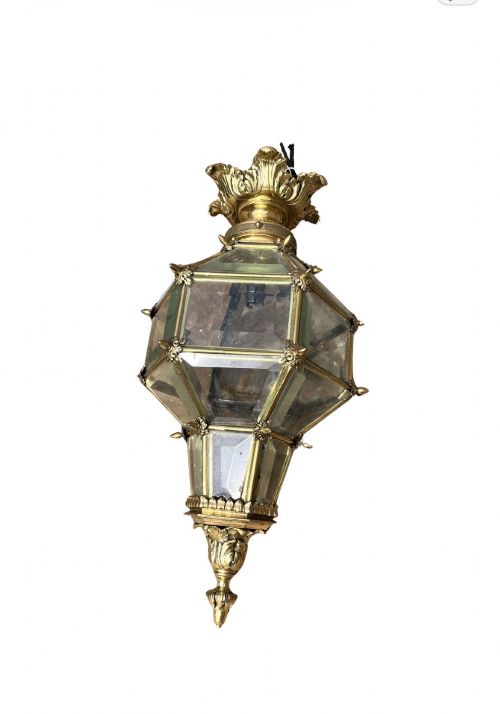
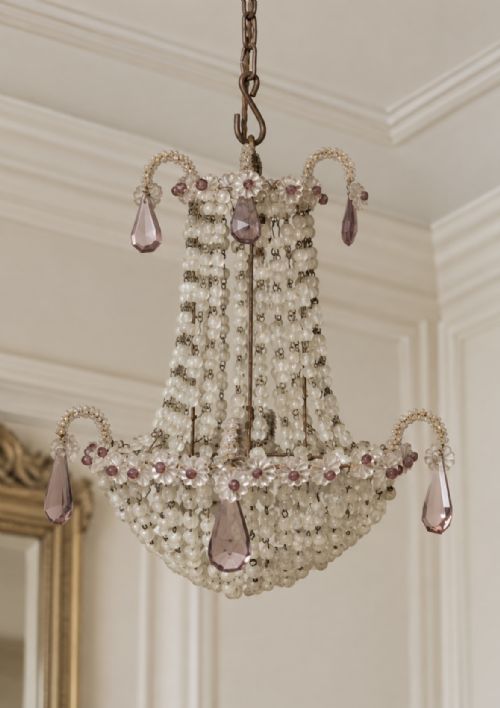
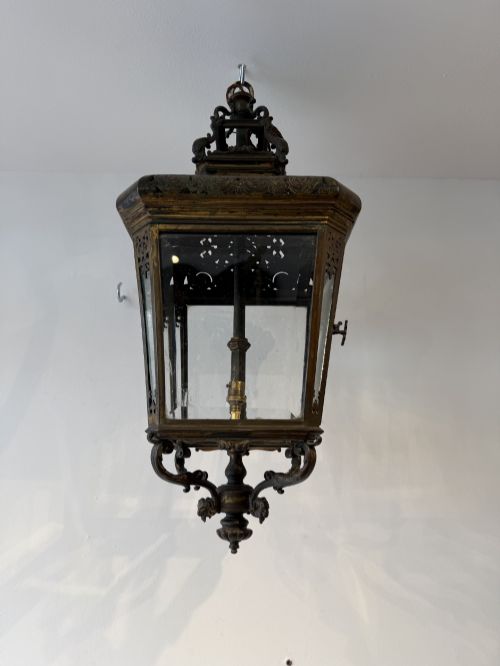
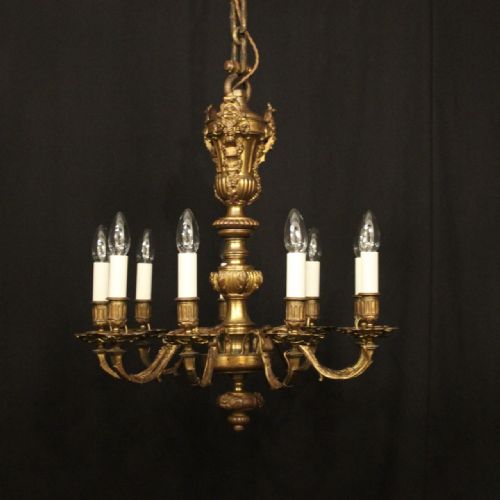
An ornate hanging lamp is defined by elaborate metal frames, glass shades, and multi-branched forms designed to suspend from the ceiling. When searching for an ornate hanging lamp, buyers encounter pieces ranging from Victorian and Gothic branch chandeliers to French chateau lanterns and Italian pendant lights.
The selection on this page spans from the mid-nineteenth century through the 1930s, encompassing styles such as Neoclassical, Art Nouveau, and Classical Revival. Common forms include multi-light chandeliers, hall lanterns, and pod chandeliers suspended over central spaces.
Origins heavily influence the character of these pieces, with French, Italian, and Victorian designs dominating the material evidence. Buyers often find fixtures featuring five to twelve arms or enclosed glass lanterns suited for hallways and principal rooms.
Materials and construction methods
Makers utilised cast bronze, brass, and gilt bronze as structural metals, frequently applying silver or gold gilding to enrich the surface. Giltwood and carved elements also appear in Italian hanging lanterns from the early twentieth century.
Glass and crystal form vital components, integrated through coloured crystal drops, frosted or tinted shades, and leaded glass panels. Metalwork incorporates cast acanthus leaf mounts and detailed textural chasing to achieve the characteristic depth of these periods.
Ornate Hanging Lamp Retail Price Guide 2026
Typical asking prices for ornate hanging lamp among the pieces listed under this phrase on Sellingantiques today, from the lower quarter to the upper quarter. They describe what is for sale here now, not the wider market.
Some nineteenth-century candle fittings managed to survive well into the era of electric bulbs, waiting patiently for their wire.
Distinguishing quality in period lighting
Quality rests in the crispness of the metal casting and the depth of the chased details, where sharp acanthus leaves and refined mounts elevate a piece above simpler production. The weight and thickness of the brass, bronze, or gilt metal dictate the structural integrity of multi-armed branches.
The integration of materials also defines the upper tier, seen in the clarity of coloured crystal elements and the hand-carved precision of giltwood frames. Pieces that retain their original gilding and matched glass components demonstrate superior preservation.
The Ornate Hanging Lamp Glossary
- Gilt bronze
- Bronze that has been coated with a thin layer of gold or gold amalgam. This technique provides a durable, luminous finish that resists tarnishing over decades of exposure.
- Acanthus leaf
- A classical ornament modelled on the leaves of the Mediterranean acanthus plant. It appears frequently as a cast mount on nineteenth and early twentieth-century metalwork.
- Hall lantern
- An enclosed ceiling-hung light fixture designed primarily for entryways and corridors. These fixtures often feature glass panels held within a decorative brass or bronze frame.
- Pod chandelier
- A rounded, bulbous form of hanging light fixture. The style uses curved metal framing and glass to create a cohesive, spherical silhouette.
- Giltwood
- Timber that has been coated with gold leaf or gold paint. It appears in Italian lanterns where carved wooden frames replace cast metal structures.
Ornate Hanging Lamp: Frequently Asked Questions
How do I hang a heavy bronze chandelier safely?
Suspension requires securing the fixture directly into a ceiling joist or using a rated structural ceiling box capable of supporting substantial metal weight. Professional installation ensures the electrical wiring and chain length are properly adjusted for the room.
Heavier cast bronze and multi-branch fixtures demand heavy-duty fixings rather than standard plaster anchors. Consulting a qualified electrician guarantees both safety and correct hanging height above floor level.
What rooms suit an ornate hanging lamp best?
These fixtures find their natural home in high-ceilinged entrance halls, dining rooms, and drawing rooms where their vertical presence commands the space. Hall lanterns specifically direct illumination downward in narrow corridors and stairwells.
Placing a multi-arm chandelier over a principal table creates a defined focal point in living areas. The reflective qualities of crystal and gilded metal also brighten rooms with limited natural light.
How do I clean antique brass and glass?
Dusting with a soft, dry microfibre cloth removes surface particles without disturbing delicate patinas or loosening crystal drops. Avoid harsh chemical cleaners that strip historical gilding or damage lacquered metal finishes.
Glass shades and crystal elements can be washed gently using mild soapy water when detached from the metal frame. Ensuring components dry completely before reassembly prevents moisture damage to older wiring and mounts.
How can I tell Victorian pieces from 1920s lighting?
Victorian and nineteenth-century pieces often display heavier Gothic or classical revival motifs, including robust cast brass and candle-style fittings adapted for early electrification. The materials tend toward heavy cast bronze and dense ornamentation.
Lighting from the 1920s frequently incorporates finer acanthus mounts, French silver gilding, or early Art Nouveau fluid lines. Examining the construction techniques and wiring entry points helps clarify the manufacturing era.