





Ornate Gold Shelf
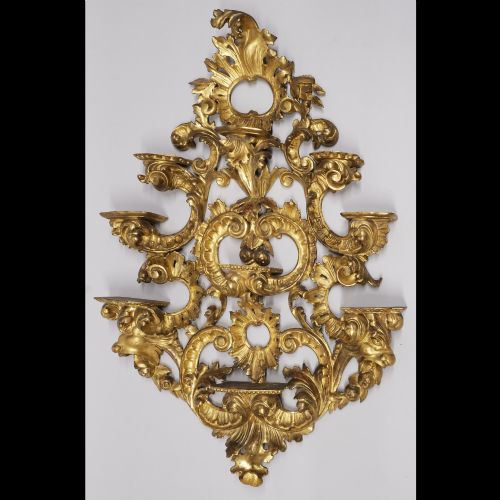
An ornate gold shelf brings rich historical character to a room, offering a display surface formed through elaborate nineteenth-century craftsmanship.
Ornate Gold Shelf
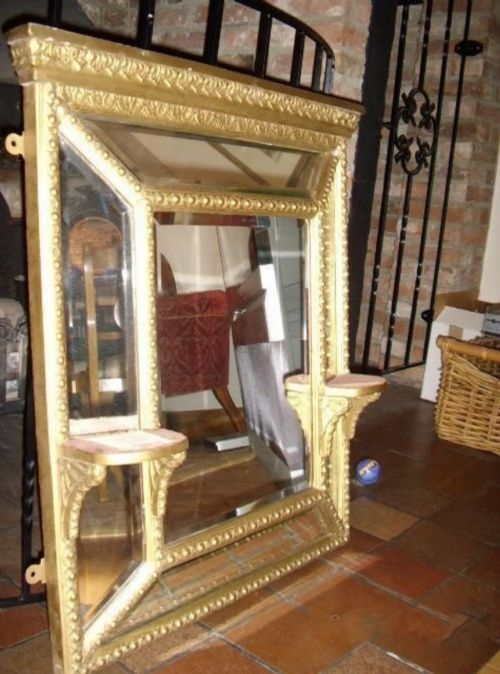
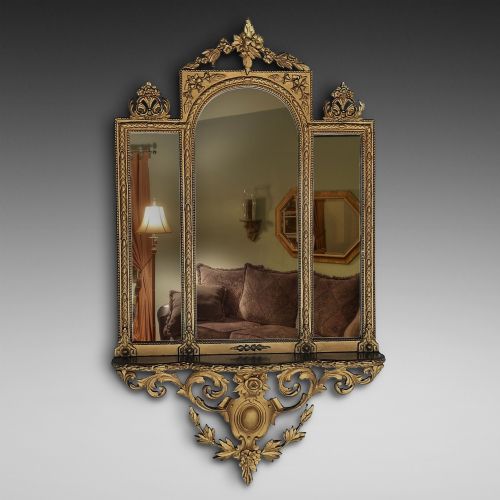
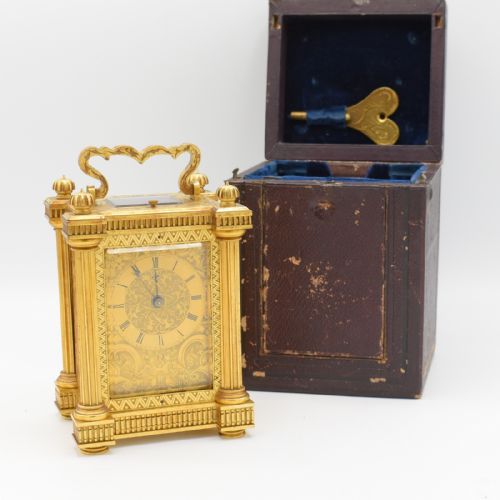
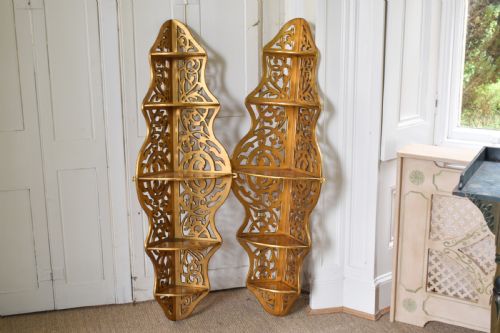
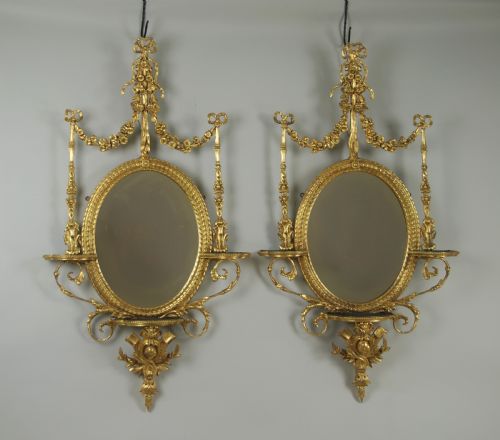
An ornate gold shelf typically takes the form of a carved wall bracket, corner shelf, or mirrored display ledge dating from the nineteenth century. These pieces emerge predominantly from Victorian and French Rococo Revival traditions, reflecting a period of intense decorative ambition.
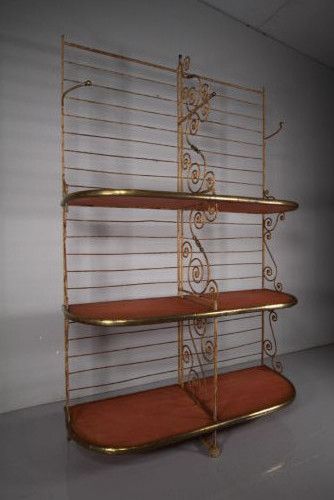
Buyers encounter gilded wood, gesso, and brass constructions designed to hold small decorative objects or reflect light within domestic interiors. The forms lean heavily on curved lines, leaf motifs, and architectural flourishes drawn from Louis styles.
How they were made
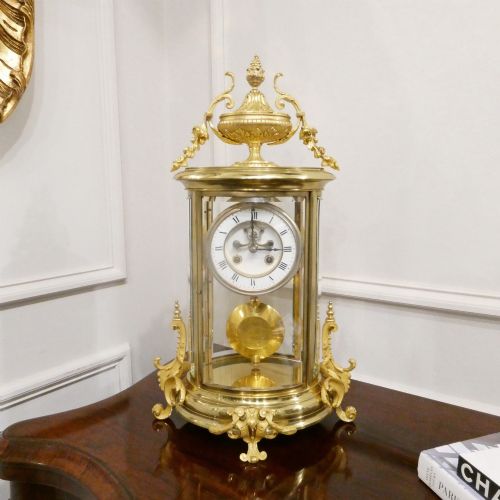
Carved giltwood and gesso pieces rely on skilled hand-carving applied to timber foundations before the application of fine gold leaf layers. Gilded brass and ormolu components involve metal casting and chemical amalgamation processes to achieve durable metallic lustre.
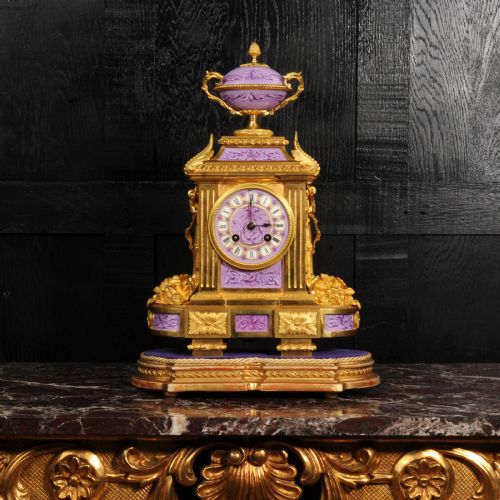
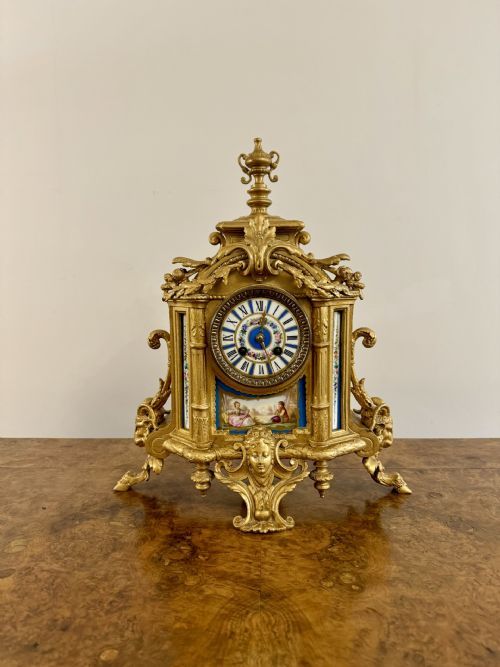
Makers integrated mirrored glass panels and porcelain plaques into structural frames using traditional joinery and pinned mountings. Surface ornamentation was built up through successive coats of gesso, providing a smooth base for intricate gilding.
Ornate Gold Shelf Retail Price Guide 2026
Typical asking prices for ornate gold shelf among the pieces listed under this phrase on Sellingantiques today, from the lower quarter to the upper quarter. They describe what is for sale here now, not the wider market.
Listings feature items from the 1850s to 1900, constructed in giltwood, gesso, brass, and ormolu.
What varies in quality
Quality rests upon the depth and precision of the hand-carving within the wood or the crispness of detail cast into the ormolu and brass. Superior examples display clean lines and securely bonded gilding that holds its brilliance across complex contours.
The integrity of the underlying structure and the preservation of original mirror glass or porcelain inserts dictate the standing of a piece. Finer items maintain harmonious proportions where decorative elements support rather than overwhelm the architectural form.
Achille Brocot·Samuel Marti·Howell & James London
The Ornate Gold Shelf Glossary
- Giltwood
- Timber that has been coated with gold leaf or gold paint. This material forms the primary structure for many nineteenth-century wall brackets and display shelves.
- Gesso
- A plaster mixture spread over wood to create a smooth surface for gilding. It allows carvers to achieve sharp, detailed relief work.
- Ormolu
- Finely ground high-carat gold applied to a bronze base using a mercury amalgamation technique. It provides a rich, enduring metallic finish on decorative brackets and clocks.
- Rococo Revival
- A nineteenth-century design movement inspired by French eighteenth-century art. It prioritises asymmetry, scrollwork, and natural motifs such as shells and foliage.
Ornate Gold Shelf: Frequently Asked Questions
Where should I mount an ornate gold shelf?
These shelves suit principal reception rooms or hallways where wall space allows them to function as focal points.
They mount securely into wall studs to support the combined weight of the timber frame and displayed ornaments.
How do I clean a gilded shelf?
Dust the surface gently using a soft, dry brush to prevent abrasion to the delicate gold leaf layers.
Avoid liquid cleaners and chemical agents that can strip the historic gilding or damage the underlying gesso.
How do I identify Victorian pieces?
Victorian items often combine heavy carving with stylistic revivals like Rococo or Louis XIV influences from the mid to late nineteenth century.
Construction methods typically involve period-specific joinery and materials such as brass fittings alongside traditional giltwood.
Can these shelves hold heavy items?
Most decorative wall brackets and display shelves are engineered for light ornaments, porcelain, or small clocks rather than heavy loads.
Checking the wall fixing points and the structural joinery helps determine the appropriate weight limit for each piece.