

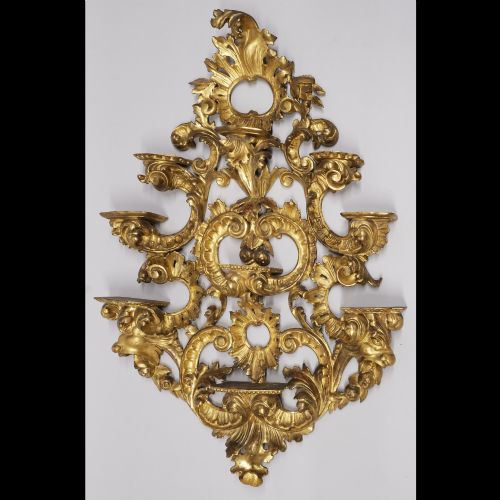




Ornate Gilt Shelf
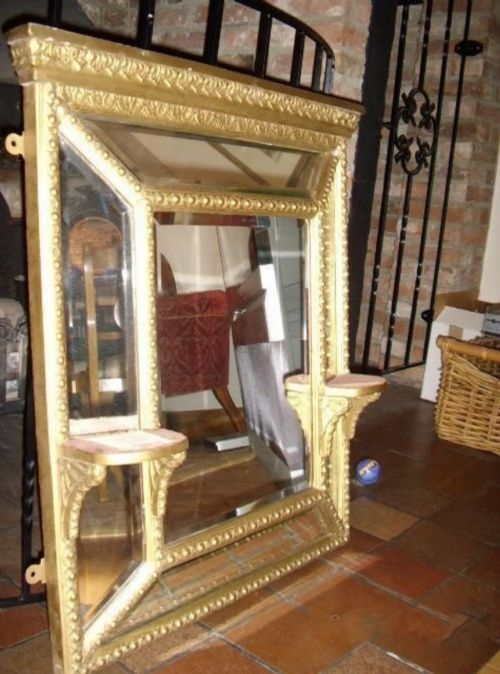
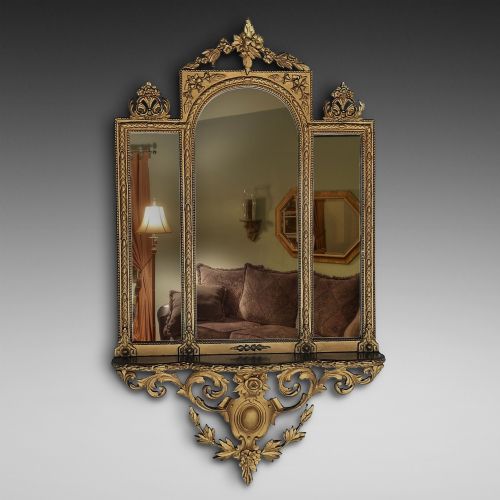
An ornate gilt shelf brings gilded nineteenth-century display space into a room, offering a platform for small objects that catches the light.
Ornate Gilt Shelf
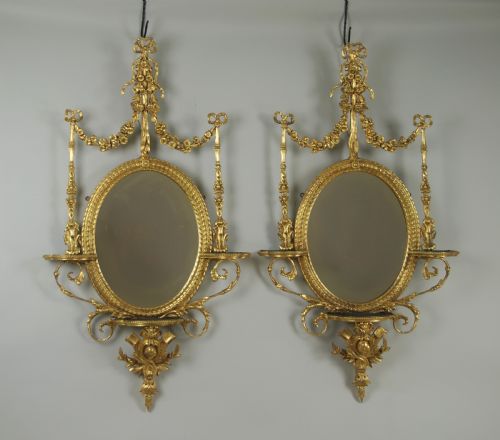
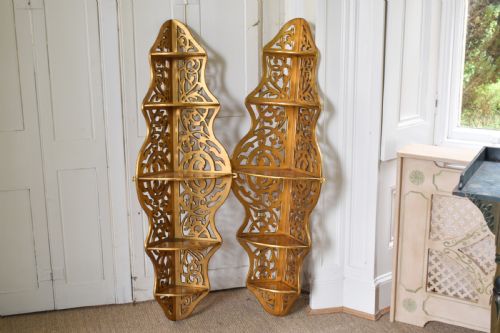
The objects take the form of carved giltwood brackets from the eighteen-eighties or mirrored display shelves featuring gesso ornament from the mid-nineteenth century. They range from single corner consoles to matched pairs designed to frame larger wall mirrors or fireplaces.
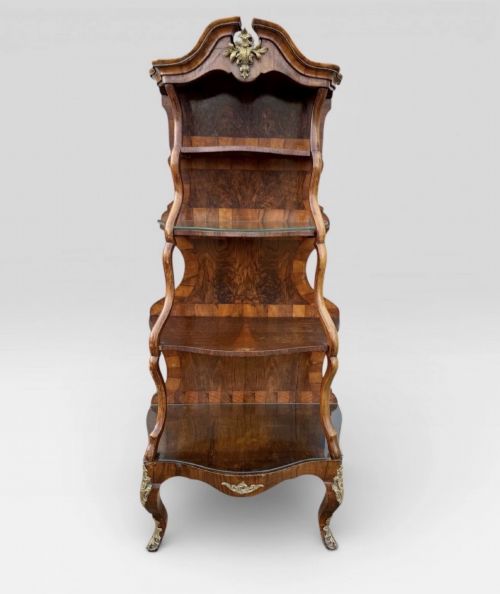
French influence dominates through Rococo and Louis XVI revival styles, translating into elaborate scrolling foliage and gilt bronze mounts. English makers also contributed substantial walnut and gilt metal combinations alongside traditional carved timber brackets.
Materials and Technique
Carved timber provides the foundational structure for giltwood brackets, shaped from pine or softer woods before receiving layers of gesso to build up high-relief scrollwork and acanthus leaves. Artisans then applied thin gold leaf over a prepared bole base, burnishing the metal to achieve a bright reflective finish.
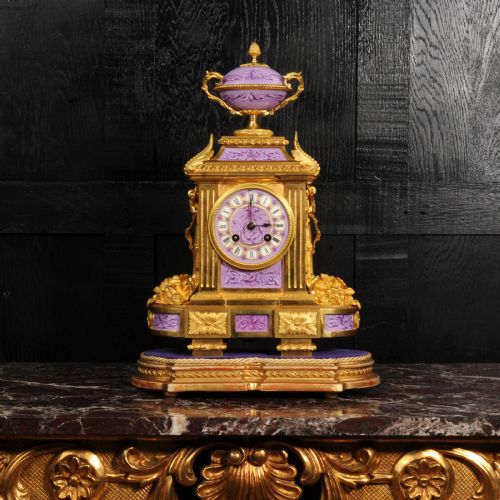
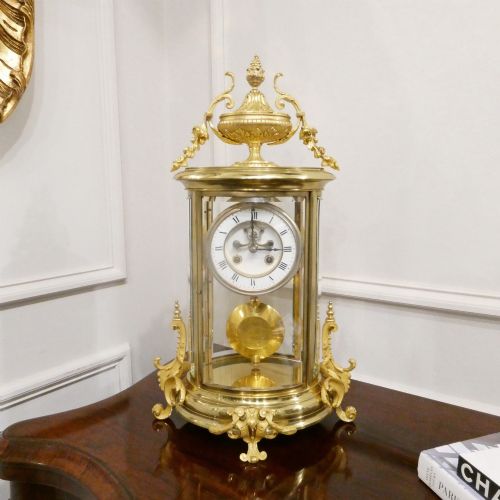
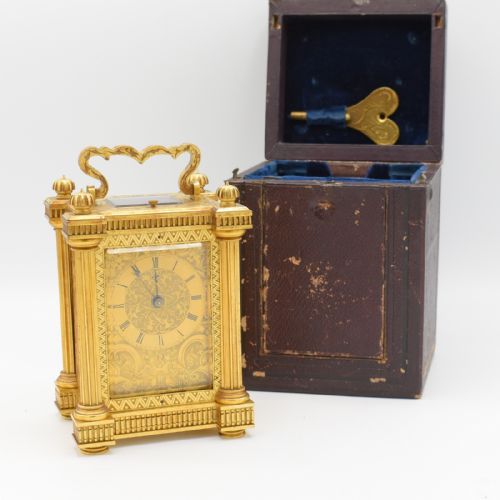
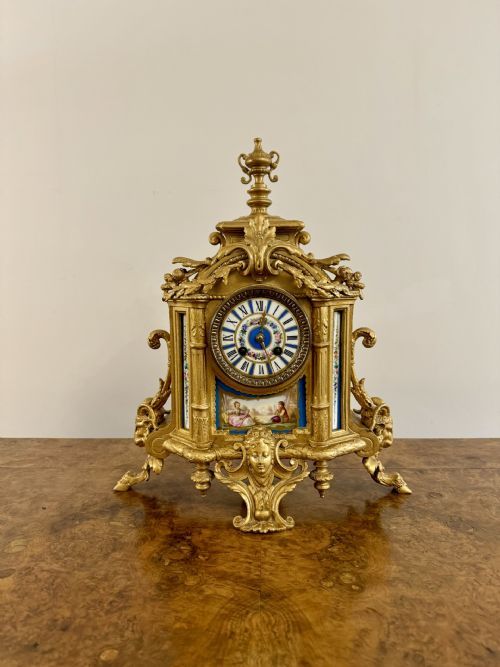
Ormolu and gilt bronze components appear frequently on shelf fixtures and associated bracket clocks, cast in sections and fire-gilded with mercury amalgamation or electroplated in later decades. Enamel dials, marble bases, and bevel-cut mirror glass complete the construction of these decorative furnishings.
Ornate Gilt Shelf Retail Price Guide 2026
Typical asking prices for ornate gilt shelf among the pieces listed under this phrase on Sellingantiques today, from the lower quarter to the upper quarter. They describe what is for sale here now, not the wider market.
Materials recorded across the inventory include giltwood, ormolu, brass, and porcelain elements from the Victorian period.
Evaluating Craftsmanship
The depth and crispness of the carving distinguish finer examples from mass-produced late-nineteenth-century alternatives, where shallow pressing replaces hand-chiseled detail in the gesso and wood. Superior pieces exhibit sharp undercut foliage and precise symmetry in their scrolling supports.
The integrity of the gold leaf surface dictates the visual impact of the piece, with heavier genuine leaf retaining a warmer tone than flat metallic paints applied during later restorations. Original mirror plates showing soft oxidation also indicate period authenticity.
Achille Brocot·Samuel Marti·Howell And James
The Ornate Gilt Shelf Glossary
- Giltwood
- Timber that has been coated with gold leaf over a prepared gesso ground. This technique creates a durable, luminous finish characteristic of nineteenth-century decorative brackets.
- Ormolu
- Finely chased gilt bronze used for mounts and decorative hardware. The term derives from the French for milled gold.
- Gesso
- A plaster mixture applied to carved wood to create a smooth surface for gilding. It allows artisans to model intricate relief ornamentation.
- Pier Glass
- A tall mirror designed to hang on the wall space between windows. These often incorporate integrated shelves or display brackets.
- Wall Bracket
- A projecting architectural shelf fastened directly to the wall. They display ornamental objects and figures.
Ornate Gilt Shelf: Frequently Asked Questions
How do I hang a heavy giltwood wall bracket?
Secure the bracket directly into wall studs using appropriate masonry or timber fixings matched to the weight of the carved wood. Ensure the mounting plate bears the load evenly without straining the decorative joints.
Consult a professional installer if the wall construction is uncertain, as nineteenth-century fixtures often concentrate weight forward away from the fixing point.
What objects belong on these shelves?
Small nineteenth-century porcelains, bronze figures, or pocket watches sit comfortably on these display ledges. The surface area typically suits cabinet-sized collectables rather than heavy books.
Keep items modest in scale so the carved gilt framework remains the primary visual focus of the display.
How do I distinguish Victorian from earlier styles?
Victorian pieces often combine revival motifs like Rococo scrolls with machine-assisted manufacturing marks or standardised fastening screws. Earlier eighteenth-century brackets rely entirely on hand-wrought joinery and deeper manual carving.
Examine the backboards and fixing points for tool marks and timber ageing consistent with the mid to late nineteenth century.