




Ornate Gilt Candlestick
These ornate gilt candlestick options bring rich metallic warmth to a room, catching the light and anchoring a table setting with historic presence.
Ornate Gilt Candlestick
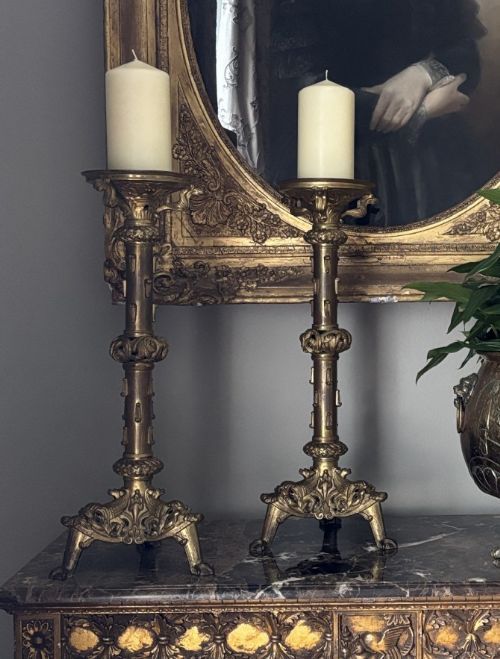
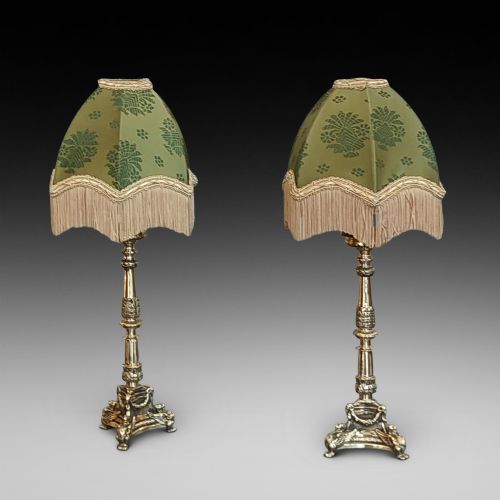
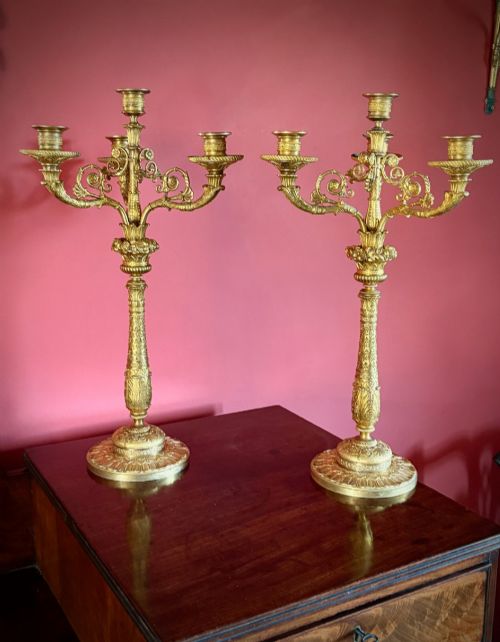
An ornate gilt candlestick is a heavy, decorative light holder designed for wax tapers or converted for electricity, bringing considerable presence to a mantelpiece or side table. When searching for this phrase, collectors encounter a diverse array of items ranging from single altar pieces to grand multi-branch candelabra.
How they were made
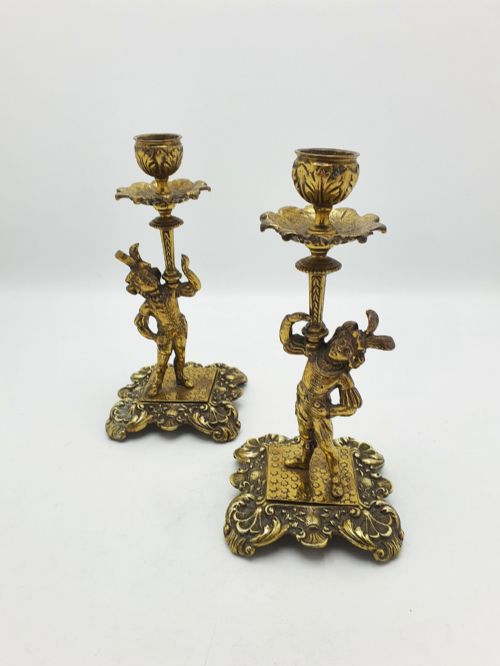
The construction relies heavily on cast metals such as brass, bronze, and ormolu, often combined with carved wood and gesso for gilded wooden alternatives. Many pieces utilise intricate chasing and fire-gilding techniques to achieve a bright, lasting metallic surface.
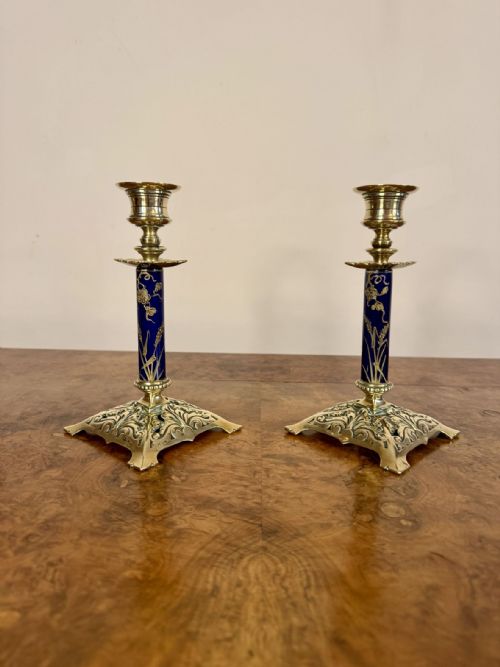
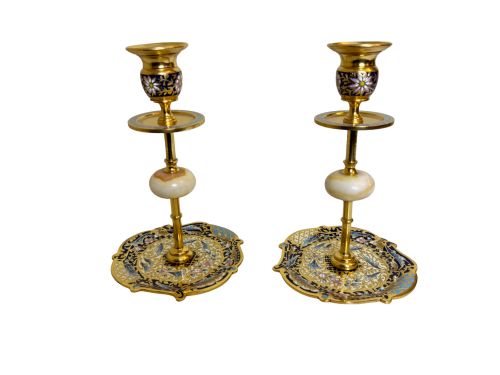
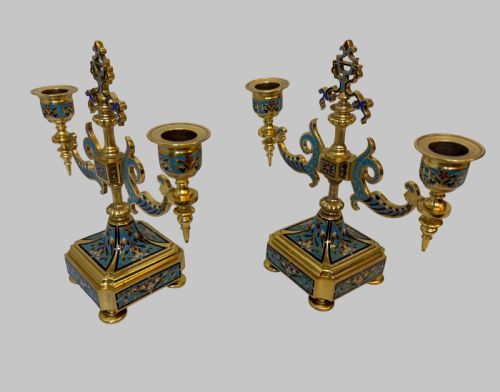
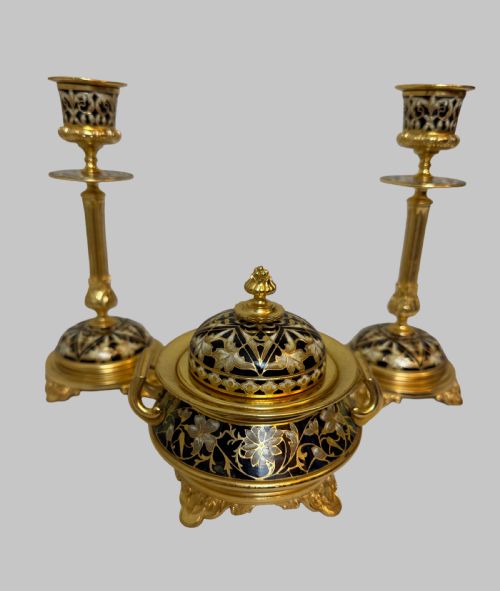
Decorative variations frequently incorporate champlevé enamel, marble bases, onyx panels, and silver leaf details. Makers shaped these materials into elaborate Rococo, Baroque, and Neoclassical forms before some were later adapted for electrical lighting.
Ornate Gilt Candlestick Retail Price Guide 2026
Typical asking prices for ornate gilt candlestick among the pieces listed under this phrase on Sellingantiques today, from the lower quarter to the upper quarter. They describe what is for sale here now, not the wider market.
The listings span multiple centuries, incorporating materials like brass, ormolu, champlevé enamel, and carved wood across diverse styles from Baroque to Regency.
What varies in quality
Quality rests upon the crispness of the casting and the depth of the chased detail, which determines how sharply the ornamentation reads across a room. Superior examples retain their original fire-gilding or heavy gold leaf without the muddy appearance common in later replating.
The structural integrity of the joints, the weight of the metal base, and the retention of matching components across a pair or set separate fine studio pieces from standard decorative production.
The Ornate Gilt Candlestick Glossary
- Ormolu
- Finely ground high-carat gold applied to a bronze base using a mercury amalgamation technique. This method creates a durable and luminous finish characteristic of French decorative arts.
- Champlevé
- An enamelling technique where troughs or cells are hollowed out of the metal surface and filled with vitreous enamel before firing. It frequently appears alongside ormolu on nineteenth-century pieces.
- Giltwood
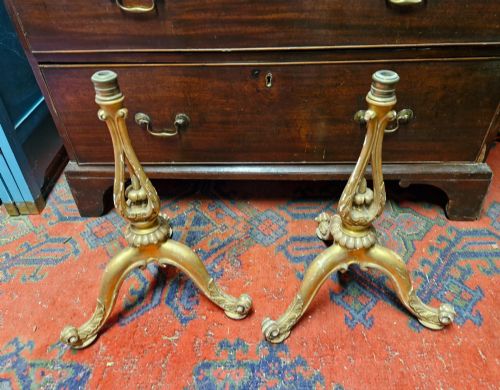
- Timber, typically carved from softer woods such as pine or lime, coated in gesso and covered with thin sheets of gold leaf. This technique was widely utilised for large altar sticks and standard lamps.
- Candelabra
- A branched candlestick designed to hold multiple tapers simultaneously. They often feature central columns rising to three or more distinct light fittings.
- Gesso
- A plaster-like mixture applied to carved wooden surfaces to provide a smooth, prepared ground for gilding. It allows craftsmen to achieve sharp relief details before applying gold leaf.
Ornate Gilt Candlestick: Frequently Asked Questions
How do I clean an old gilt candlestick?
Dust the surface gently with a soft, dry microfibre cloth to remove accumulated particles without abrading the delicate metallic finish.
Avoid chemical polishes, water, and abrasive cleaners entirely, as these substances strip away historic gilding and expose the base metal underneath.
Were these pieces originally electric?
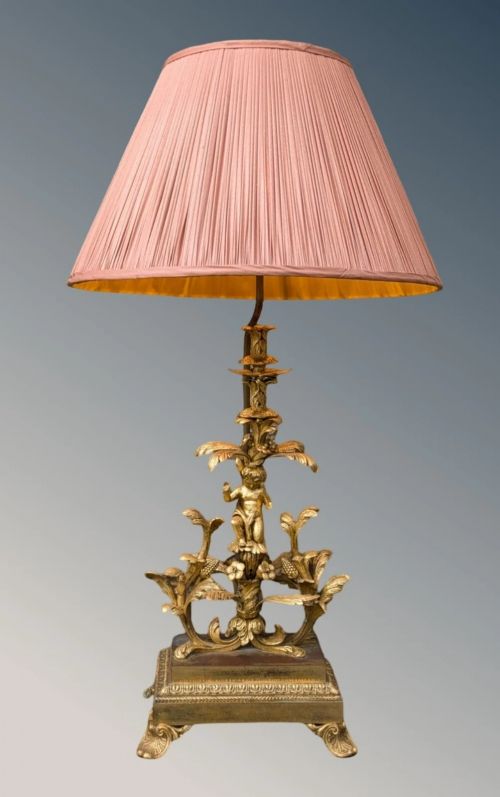
Almost all of these items began life holding wax candles or oil before being adapted for modern lighting during later conversions.
Wiring is typically routed through the original central column or bobeche, allowing lamps to be reverted if desired by a restorer.
How can I tell a French piece apart?
French examples often display the exuberant asymmetrical scrolls and naturalistic motifs characteristic of Rococo revival design, alongside refined bronze casting.
English or Italian pieces frequently employ heavier brass or carved wooden structures reflecting distinct regional taste and local furniture styles.
Can I use mismatched candlesticks together?
Using mismatched items works effectively if they share a common period style, height proportion, or a unified metallic tone like ormolu.
Placing them on opposite ends of a mantelpiece creates visual balance while celebrating the subtle differences in hand-cast manufacture.