


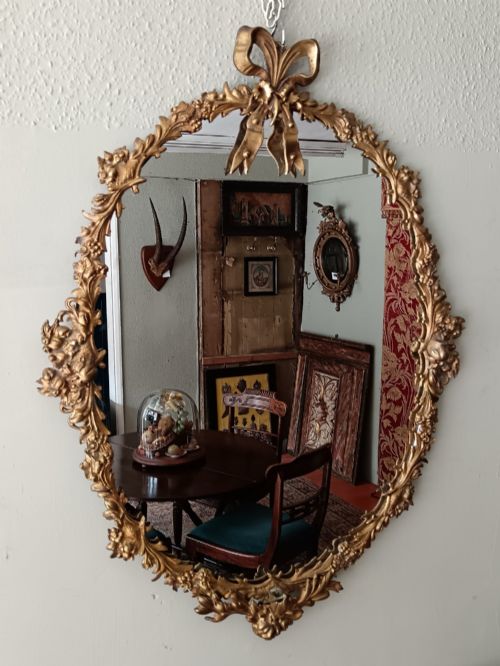


Ornate Gilded Hall Mirror
An ornate gilded hall mirror commands the entrance, catching the morning light with layers of gold leaf over carved wood and gesso.
Ornate Gilded Hall Mirror
When you search for an ornate gilded hall mirror, you look at wall-hanging and pier glasses designed to punctuate entranceways and principal reception rooms. The pieces recorded here span the nineteenth century into the early twentieth century, drawing on Victorian and continental revival movements.
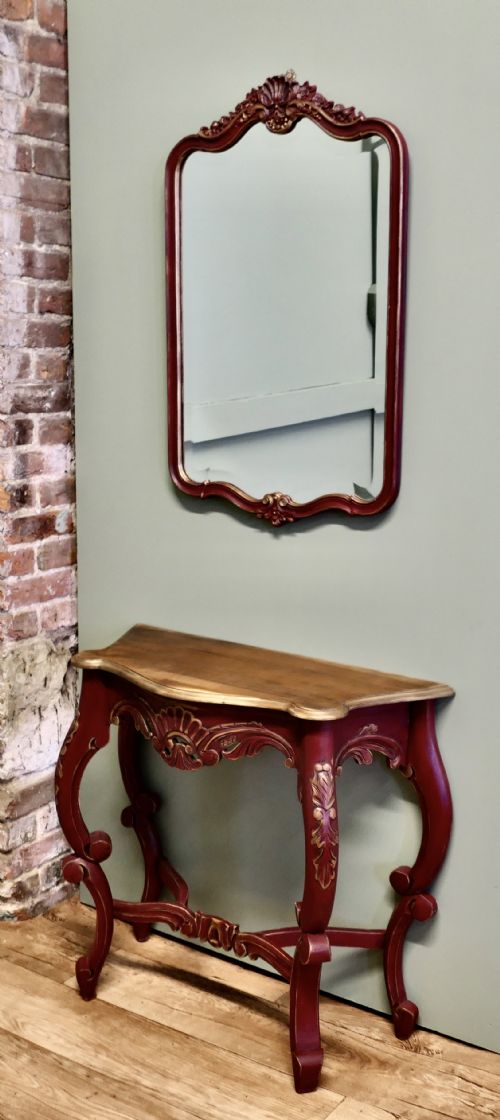
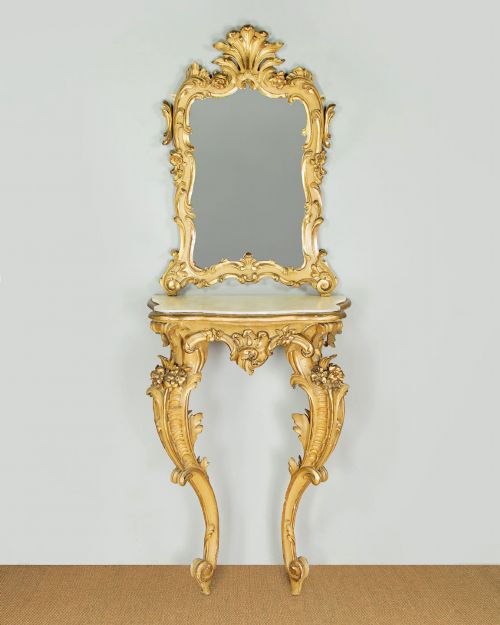
The dominant forms on this page include grand oval pier mirrors, substantial overmantels, and full-length dressing glasses paired frequently with console tables. Makers of the period utilised classical vocabulary, adapting French Rococo, Baroque, and Louis XVI styles for domestic interiors.
Originating largely from English and French workshops, alongside Italian carving traditions, these mirrors served both practical reflection and architectural display. Their ornate frames dictate the spatial character of a hallway, often working as part of a matched console and mirror ensemble.
Materials and construction
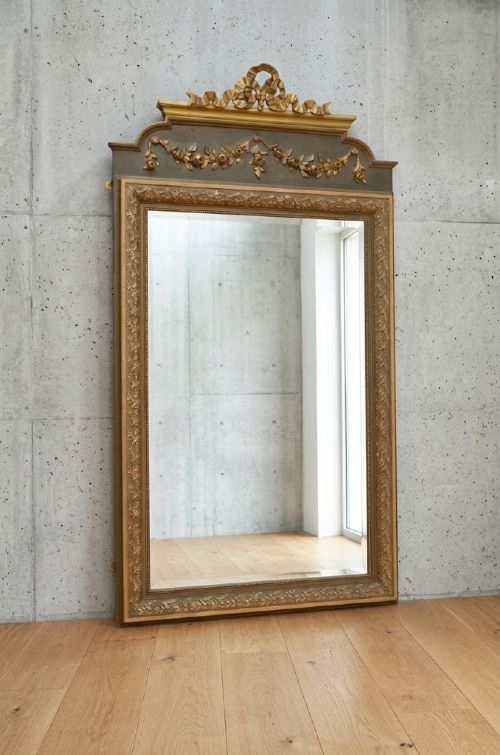
Carved wooden foundations of pine or hardwood receive coats of gesso, a plaster-like mixture built up to receive intricate relief ornament. Artisans then apply gold leaf or composition metal layers across the moulded scrollwork, acanthus leaves, and ribbon crests.
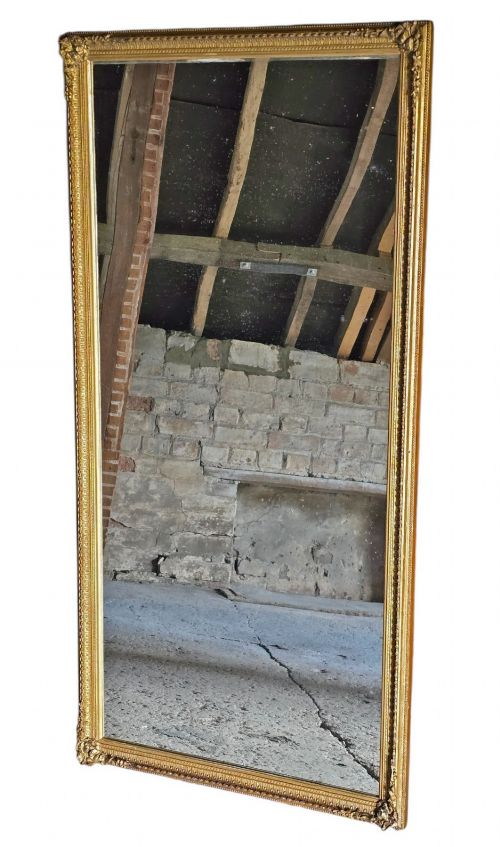
Mirrors utilise heavy plate glass set within rebated frames, often retaining original silvering that shows light oxidation. Structural integrity relies on pegged mortise and tenon joints hidden beneath the heavy gilding and ornamental plasterwork.
Ornate Gilded Hall Mirror Retail Price Guide 2026
Typical asking prices for ornate gilded hall mirror among the pieces listed under this phrase on Sellingantiques today, from the lower quarter to the upper quarter. They describe what is for sale here now, not the wider market.
A delicate ribbon crest sits atop one Belle Époque French frame, proving that even heavy nineteenth-century giltwood appreciated a soft fabric metaphor.
The spectrum of quality
Depth and crispness of hand-carved detail separate ordinary mouldings from exceptional craftsmanship, where relief decoration retains sharp undercuts rather than soft, filled contours. The quality of gilding manifests in the burnishing of gold leaf against matte grounds, creating subtle interplay under changing light.
Originality of the glass plate and the stability of the foundational gesso layer govern the integrity of each piece. Superior examples maintain intact corner mitres and tightly secured framing joints that withstand the heavy downward pull of thick mirrored glass.
Nosetti
The Ornate Gilded Hall Mirror Glossary
- Gesso
- A prepared mixture of chalk, gypsum, and size used as a base for moulding ornamental relief before gilding. This layer accepts deep carving and smoothing to receive metal leaf.
- Giltwood
- Timber that has been coated in gold leaf or powder. It differs from composition or painted alternatives through its warm reflectivity.
- Overmantel mirror
- A large horizontal mirror designed specifically to hang above a fireplace mantelpiece. These pieces often incorporate elaborate architectural pediments.
- Pier glass
- A tall mirror intended to hang on the wall space between two windows. They frequently sit directly above console tables in grand reception rooms.
- Rococo Revival
- A nineteenth-century design style mimicking the asymmetrical curves, C-scrolls, and naturalistic motifs of the eighteenth century. It dominates the ornamentation of many large wall mirrors.
Ornate Gilded Hall Mirror: Frequently Asked Questions
How do I hang a heavy hall mirror?
Heavy frames require direct fixing into masonry walls or substantial timber studs using appropriate steel brackets distributed across the upper frame.
Professional mirror installers use weight-rated split battens to distribute the load evenly and prevent frame distortion.
Are the mirror plates original?
Many nineteenth-century pieces retain their original silvered glass, which often exhibits characteristic light foxing and minor speckling.
Replacement glass appears clearer and lacks the subtle distortions found in older pulled or float glass plates.
How do I clean a gilded frame?
Dust accumulated in intricate gesso carvings requires careful removal using a very soft artist's brush or dry feather duster.
Moisture and commercial cleaning sprays damage fragile gold leaf and historical water-gilded surfaces.
What is the difference between an overmantel and a hall mirror?
Overmantel mirrors typically feature wider horizontal proportions built to span the width of a fireplace surround.
Hall mirrors focus on vertical formats, sometimes paired with console tables to fit narrow entrance spaces.