



Ornate Fruit Bowl
An ornate fruit bowl brings a lavish nineteenth-century sculptural presence to a dining table or sideboard.
Ornate Fruit Bowl
When you search for an ornate fruit bowl, you encounter substantial nineteenth-century centrepieces, footed tazzas, and decorative baskets designed for grand domestic display. These pieces frequently manifest as substantial pedestal bowls, silver-plated baskets, and gilt bronze vessels intended to hold fruit or anchor a table arrangement.
The versions most commonly met on this page span Victorian and French Second Empire aesthetics, merging utility with heavy ornamental detail. Makers of the period drew upon Renaissance Revival and Neo-Rococo vocabularies to produce vessels that served as focal points in formal rooms.
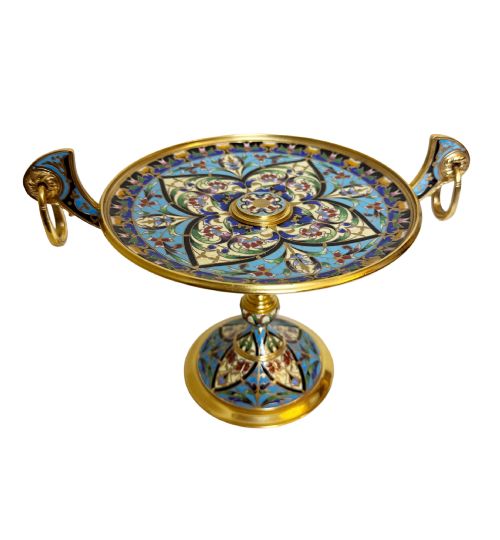
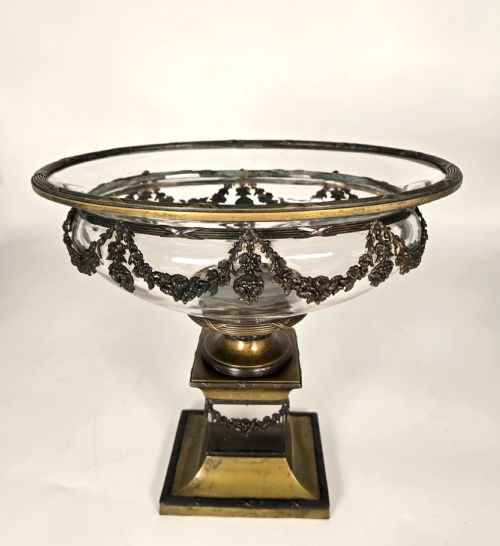
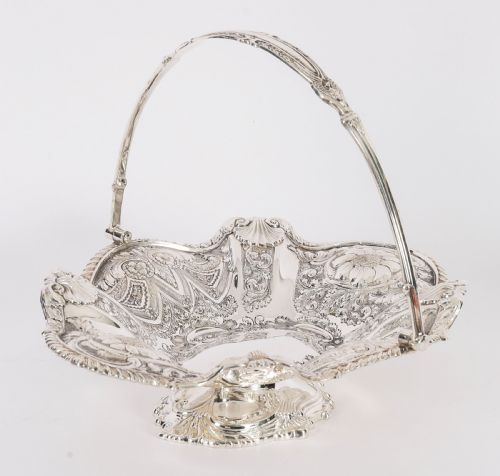
Objects range from French glass and bronze mounted pedestal bowls to solid sterling silver baskets featuring elaborate repoussé work. Some pieces incorporate unusual materials like carved oak or Limoges enamel plaques, demonstrating the breadth of nineteenth-century decorative ambition.
Materials and Technique
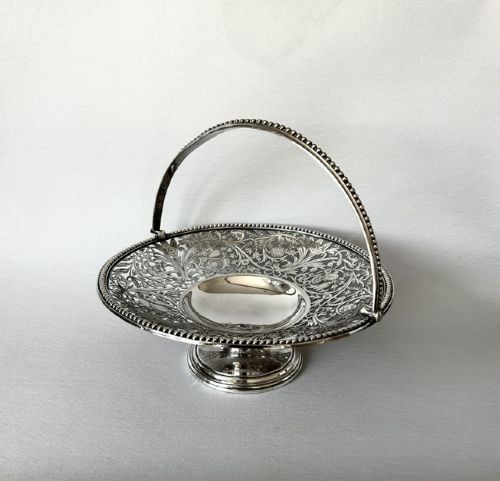
Manufacturing methods rely heavily on metalworking traditions, utilising cast gilt bronze, silver plate, and solid sterling silver shaped by hand and machine. Piercing, repoussé decoration, and chasing define the surfaces, creating high-relief floral and bird motifs that catch the light.
Combination pieces integrate moulded glass or marble bases with metal mounts, requiring precise engineering to secure heavy bowls within bronze frames. Champlevé enamel and ormolu finishes provide colour and contrast, applied through specialised kiln-firing and mercury-gilding processes common in nineteenth-century workshops.
Ornate Fruit Bowl Retail Price Guide 2026
Typical asking prices for ornate fruit bowl among the pieces listed under this phrase on Sellingantiques today, from the lower quarter to the upper quarter. They describe what is for sale here now, not the wider market.
Listings feature items spanning the nineteenth and early twentieth centuries, incorporating materials from silver plate and sterling silver to carved oak, marble, and gilt bronze.
Markers of Quality
Quality reveals itself in the crispness of the chasing and the depth of the repoussé work, where sharp, undercut botanical details distinguish master metalwork from shallow pressings. Weight and balance also indicate superior manufacture, particularly in large pedestal bowls and tazzas that must support heavy glass or stone without tipping.
The integrity of the materials separates standard items from exceptional ones, seen in the thickness of the silver plating over base metal or the purity of cast bronze and solid sterling silver. Furthermore, the inclusion of hand-painted Limoges enamel plaques or fine champlevé detailing elevates a utilitarian serveware piece into a high-status decorative object.
George W. Scott & Sons Ltd·Lerolle Fres·Whiting Co.
The Ornate Fruit Bowl Glossary
- Tazza
- A shallow bowl mounted on a pedestal foot, used historically for serving fruit or sweetmeats. This form originates from Renaissance dining traditions and became popular again during the nineteenth century.
- Repoussé
- A metalworking technique where the artisan hammers the metal from the reverse side to form a raised design in relief. Details are subsequently refined from the front using chasing tools.
- Ormolu
- Gilded bronze, produced by applying a mixture of gold and mercury to a bronze object and heating it until the mercury vaporised. The resulting matte gold finish is typical of French decorative arts.
- Champlevé
- An enamelling technique where troughs or cells are carved into the surface of a metal object and filled with vitreous enamel powder before firing. The metal partitions remain visible between the coloured glass areas.
- Centrepiece
- A large decorative vessel placed in the middle of a dining table, often comprising a combination of glass, silver, or bronze. These objects anchor the tablescape and frequently include matching smaller dishes.
Ornate Fruit Bowl: Frequently Asked Questions
What were ornate fruit bowls used for?
These vessels originally held fresh fruit, sweetmeats, or floral arrangements to adorn dining tables during formal nineteenth-century meals. They functioned primarily as centrepieces and status symbols for affluent households.
Today, owners utilise them in similar decorative capacities on sideboards, dining tables, or entrance halls as standalone sculptural objects.
How do I clean silver-plated or bronze bowls?
Silver plate requires gentle cleaning with a specialised silver cloth or mild polish to avoid wearing through the thin metal layer to the base brass or copper underneath. Bronze and ormolu surfaces should only be dusted with a soft, dry brush.
Avoid chemical dips or abrasive agents entirely, as these destroy patination and historic finishes permanently.
Are these bowls safe for food use?
While historic pieces were designed to hold fruit, modern use with acidic foods can damage antique silver plating, enamel, or exposed base metals. Tarnish and old residues may also contain compounds unsuitable for direct food contact.
Many collectors prefer to display these objects empty or use glass liners if holding actual fruit.
How can I tell French styles apart from Victorian?
French Second Empire and Napoleon III pieces often feature heavier gilt bronze mounts, ormolu, and inset enamel plaques with an emphasis on architectural symmetry. Victorian British pieces frequently lean towards pierced silver plate with naturalistic floral repoussé.
Examining the manufacturing marks and the specific alloy composition helps confirm the regional origin.