



Ornate Dining Table
An ornate dining table brings heavy cast iron, brass, and carved wood into the room to anchor a formal interior.
Ornate Dining Table
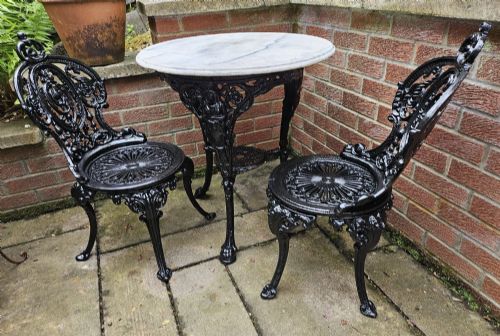
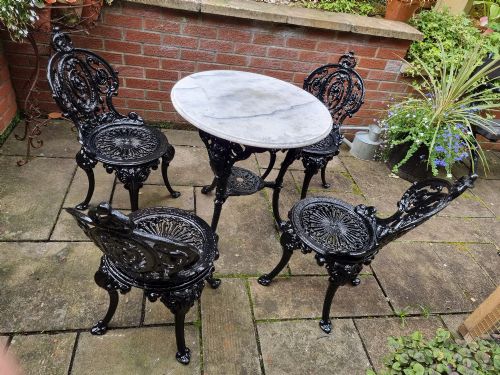
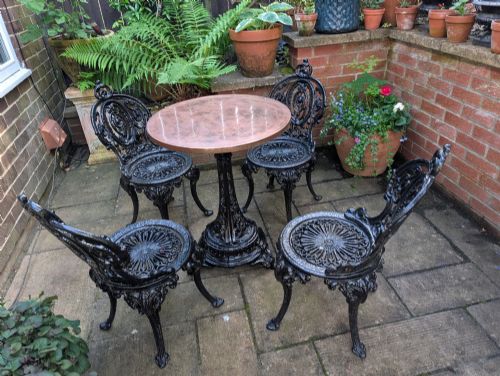
When you search for an ornate dining table, you find a varied collection of heavy metal garden sets, bistro tables, and formal centre pieces spanning the eighteenth to the twentieth century. These items encompass heavy cast iron bases paired with marble or pine tops, alongside Anglo-Indian and carved oak dining formats.
The pieces appearing on this page lean heavily towards Victorian and nineteenth-century production, frequently incorporating Rococo Revival styling, cast iron frames, and elaborate silver-plated accessories designed for grand dining spaces. You will encounter garden dining sets, bistro arrangements, and substantial wooden tables rather than standard modern suites.
Materials and construction methods
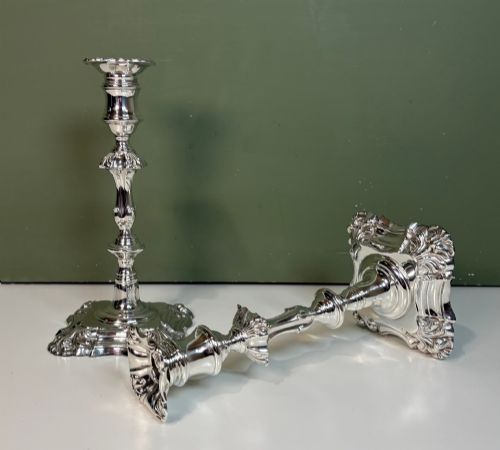
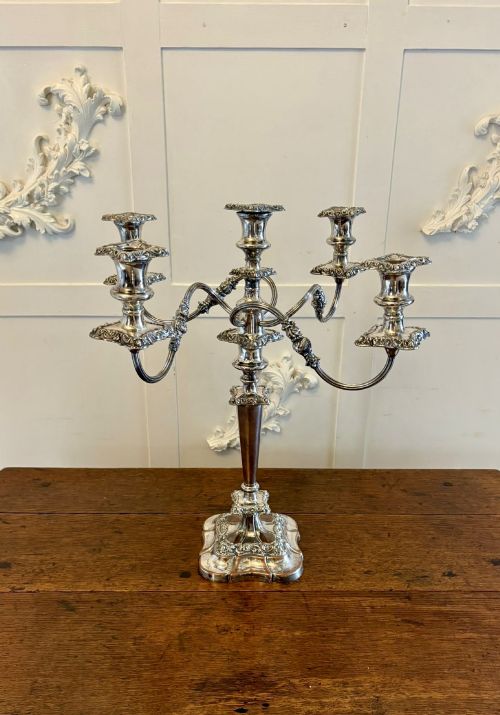
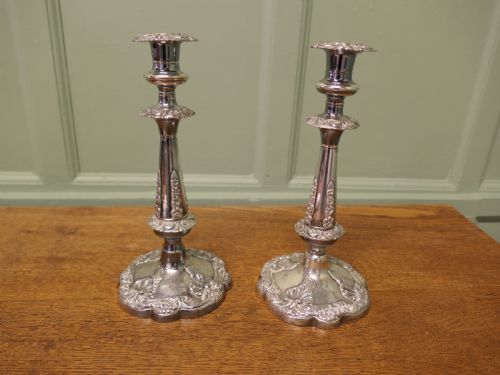
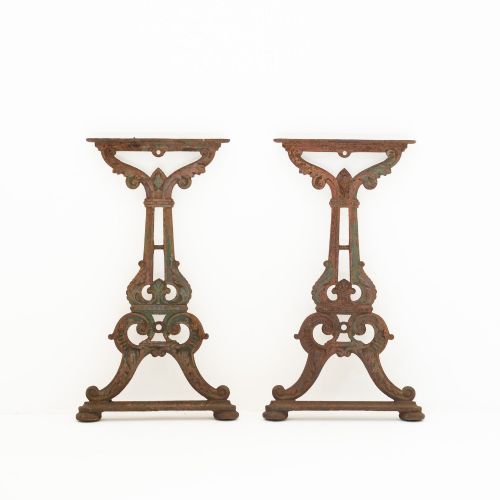
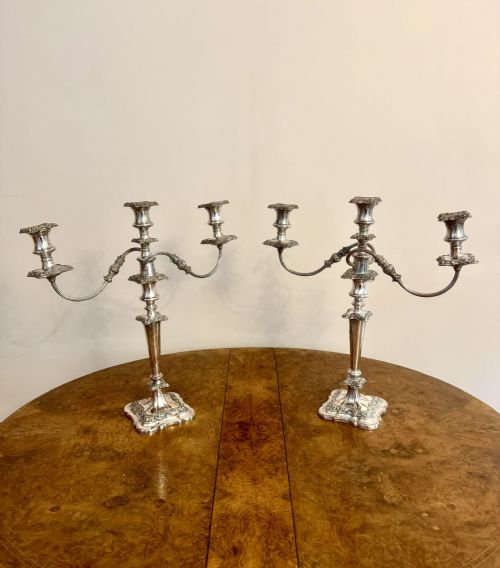
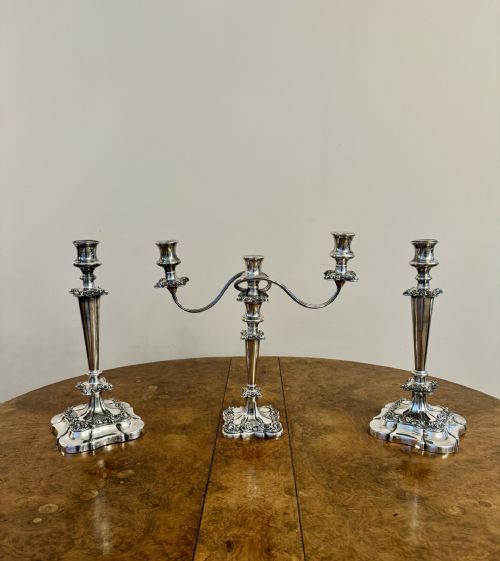
Makers utilised durable cast iron for heavy table bases and garden chairs, frequently combining them with marble tops, pine surfaces, or brass components. Silver plating and solid silver feature prominently across associated candlesticks, candelabra, and serving pieces.
Casting techniques allowed workshops to produce intricate Rococo Revival scrollwork, openwork botanical motifs, and figural details on both garden furniture and interior centrepieces. Woodworking traditions are represented by carved oak and pine construction on larger dining and farmhouse tables.
Ornate Dining Table Retail Price Guide 2026
Typical asking prices for ornate dining table among the pieces listed under this phrase on Sellingantiques today, from the lower quarter to the upper quarter. They describe what is for sale here now, not the wider market.
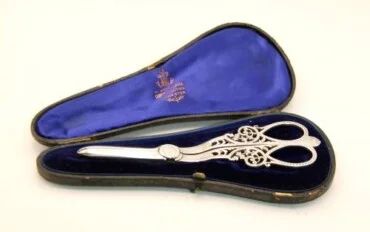
Object forms range from heavy garden dining sets and bistro tables to silver grape scissors and five-branch candelabra.
Distinctions in execution and finish
Quality rests upon the crispness of the cast iron or bronze work and the depth of the chased detail on silver-plated surfaces. Finer items display sharper relief in floral and scroll motifs without softening from worn moulds.
The integration of materials dictates the overall calibre, such as heavy marble slabs correctly fitted to cast iron bases or substantial gauge silver plate over copper foundations. Maker attribution, visible through clear hallmarking or firm stamps, further separates standard production from superior pieces.
Christopher Dresser·Smith And Sissons And Co·Elkington Sheffield·Blagden Hodgson And Co
The Ornate Dining Table Glossary
- Rococo Revival
- A nineteenth-century style reviving asymmetrical scrollwork, C-scrolls, and naturalistic shell and flower motifs. This aesthetic dominates the cast iron bases and silver-plated candelabra seen in this category.
- Silver Plate
- A layer of silver fused or electroplated onto a base metal such as copper or brass. This technique permitted heavy dining accessories to display the lustre of solid silver at a different scale.
- Centre Table
- A freestanding table finished on all sides, historically placed in the middle of a room rather than against a wall. Examples range from French iron and brass designs to large Anglo-Indian carved formats.
- Cast Iron
- Molten iron poured into a mould to create rigid structural frames and decorative garden furniture. It provided the heavy weight and intricate detailing required for nineteenth-century outdoor and bistro settings.
Ornate Dining Table: Frequently Asked Questions
How do I identify a Victorian cast iron table?
Look for heavy, rigid iron bases featuring moulded scrollwork, botanical motifs, or specific nineteenth-century registry designs. These frames are frequently paired with marble slabs, pine boards, or matching garden chairs.
Examine the casting quality for sharp definition in the relief work. The presence of makers' names or registration numbers often confirms the period of manufacture.
What is the difference between a centre table and a dining table?
A centre table is traditionally finished on all sides to stand freely in the middle of a room, often functioning as a display surface or decorative focal point. Dining tables are proportioned specifically for seated dining and food service.
In this collection, centre tables frequently incorporate elaborate brass, iron, or carved wooden frames originating from nineteenth-century European and Anglo-Indian workshops.
How should I care for silver plated dining accessories?
Silver-plated items require gentle cleaning with non-abrasive polishes to preserve the thin metal layer over the base substrate. Avoid harsh scrubbing that can wear through the plating to the underlying copper or brass.
Store pieces in dry environments to prevent tarnishing and moisture damage. Regular, light dusting helps maintain the surface finish without chemical intervention.
Where were heavy cast iron garden sets used?
Heavy cast iron garden sets and bistro tables were designed for nineteenth-century outdoor terraces, conservatories, and paved garden rooms. Their substantial weight ensured stability on uneven ground.
Today, these durable sets transition easily into modern gardens, sunrooms, or compact dining spaces as practical, weather-resistant furniture.