
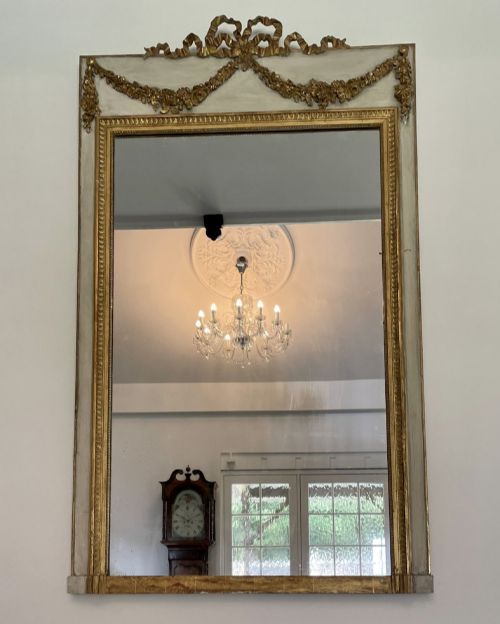
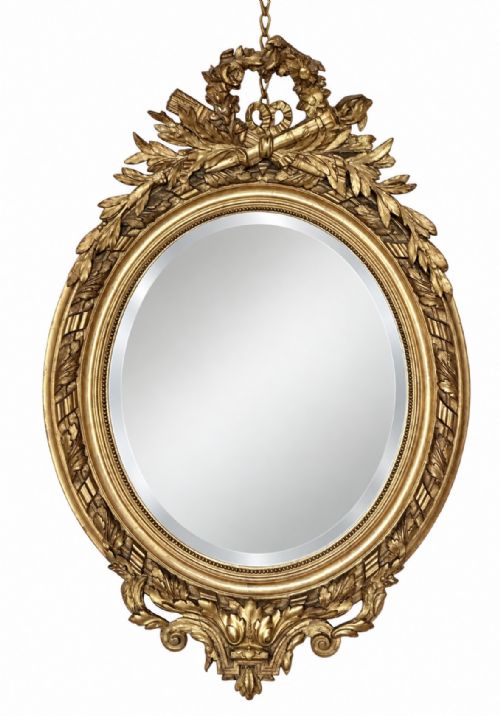
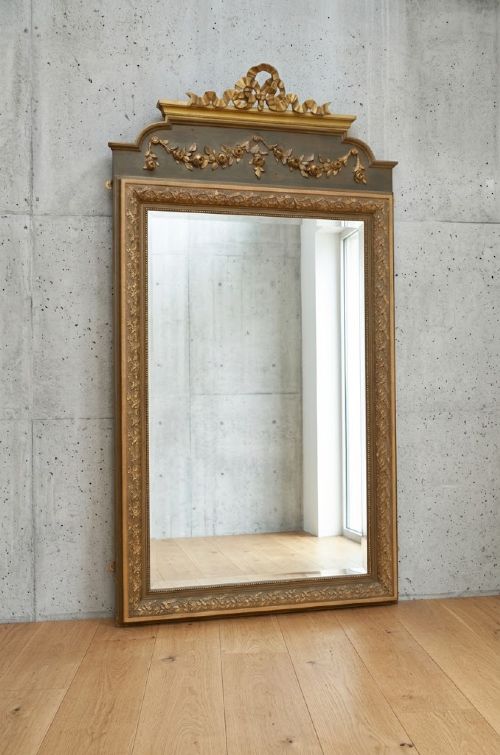
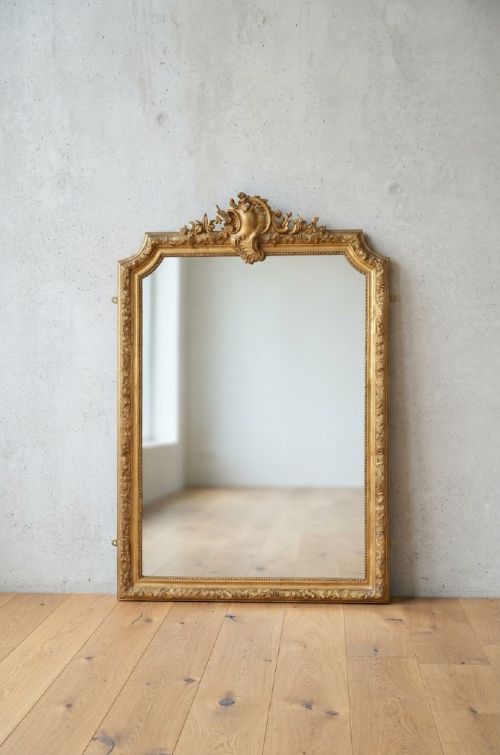
Ornate Crest Mirror
An ornate crest mirror brings dramatic height and sculptural flourish to a room, channelling centuries of European decorative taste.
Ornate Crest Mirror
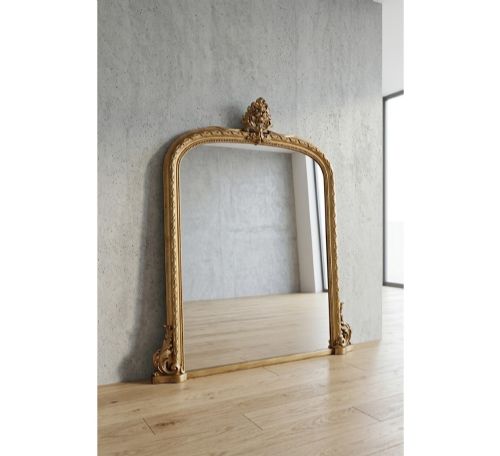
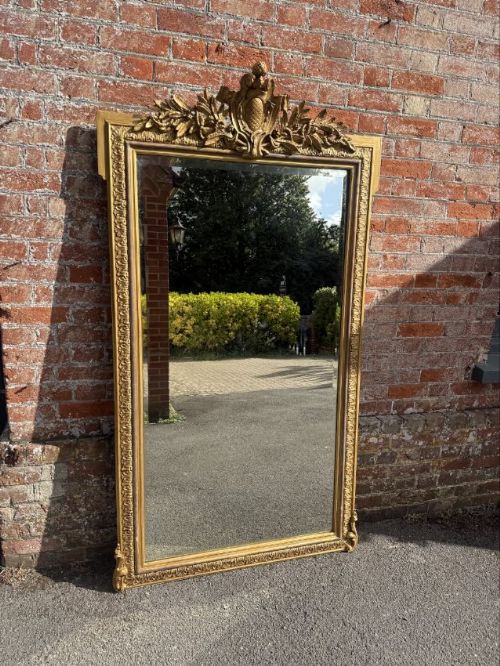
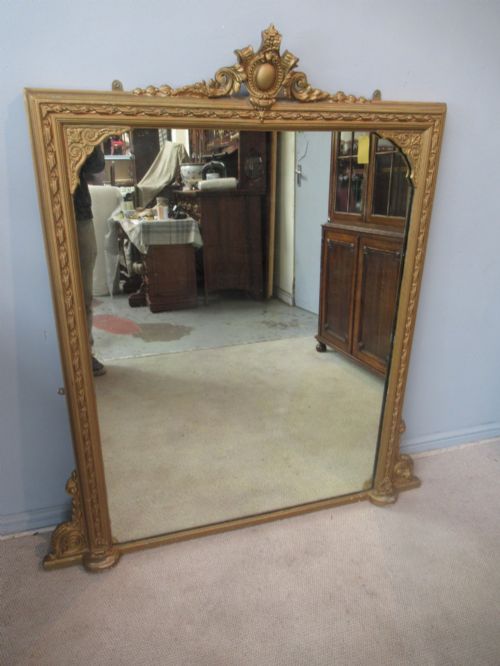
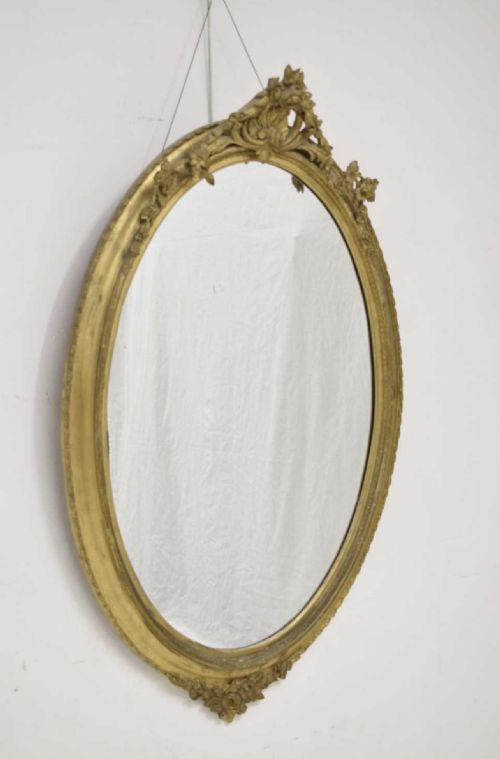
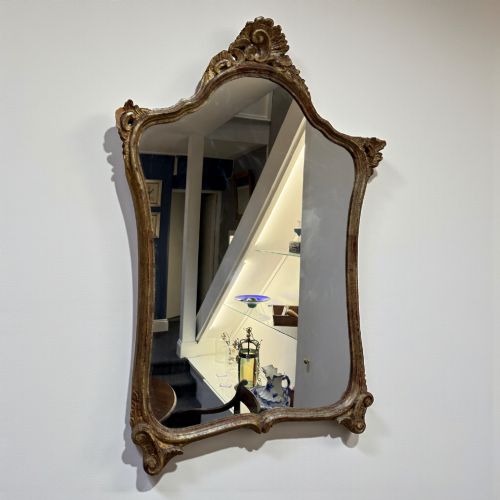
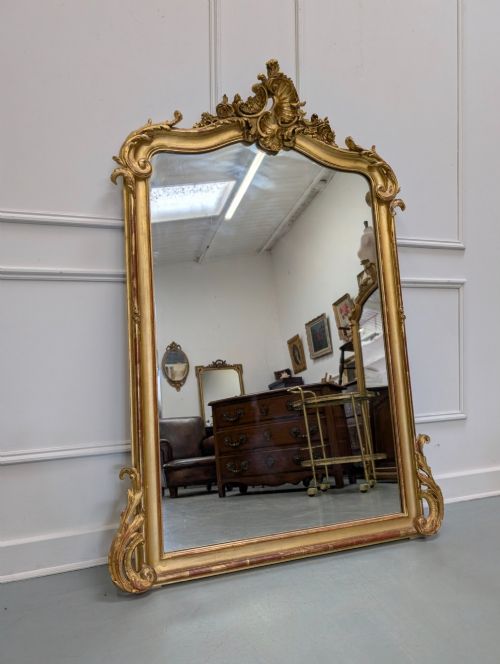
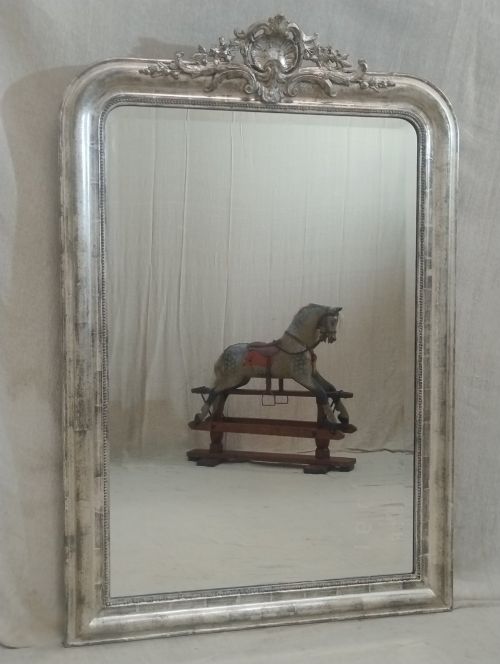
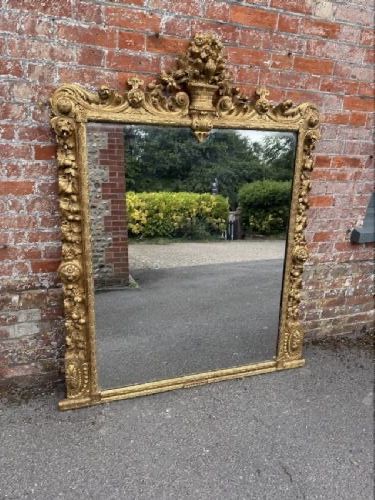
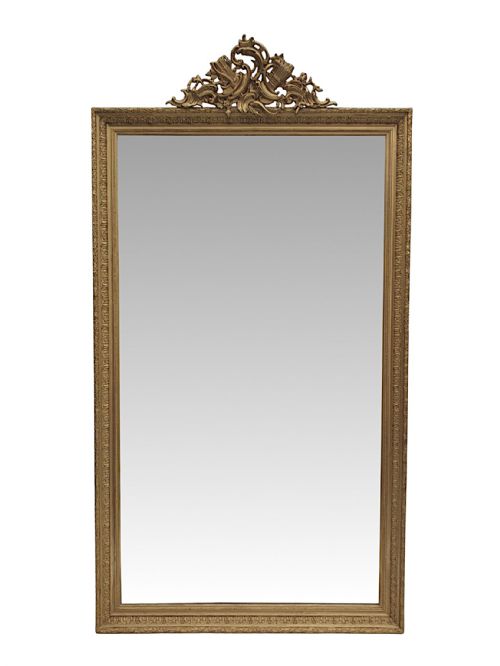
An ornate crest mirror is defined by its elaborate upper frame ornamentation, frequently taking the form of carved foliage, scrolls, or figural masks. These pieces function primarily as statement wall hangings or grand overmantels positioned above fireplaces.
The most common examples on this page hail from the nineteenth century, reflecting French Louis styles, Rococo Revival, and Victorian decorative preferences. Forms range from large arched overmantels to smaller oval wall mirrors and pier mirrors.
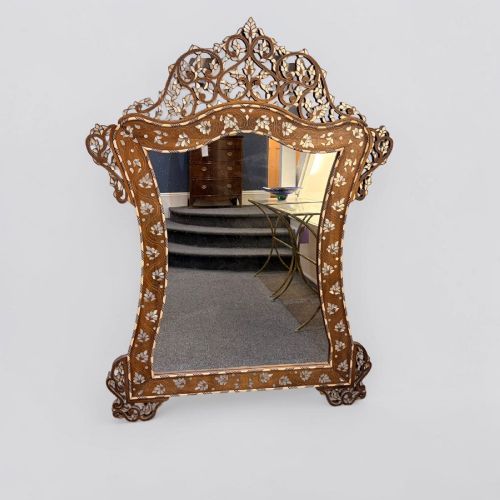
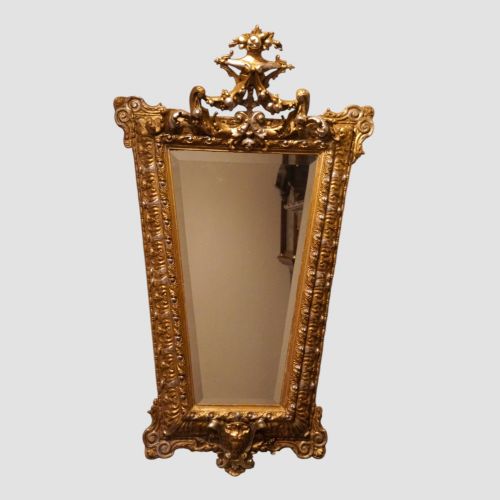
Pieces originate from various European centres including France, Italy, and England. They appear in diverse formats such as twin arm girandoles, trapezoidal frames, and cushion mirrors, each retaining its distinct regional aesthetic.
Materials and construction
Makers relied on solid wood foundations, particularly carved wood and gesso, to build up the intricate relief work of the frames. Giltwood, gold leaf, and silver-gilt applications provided the gleaming surface finishes characteristic of these periods.
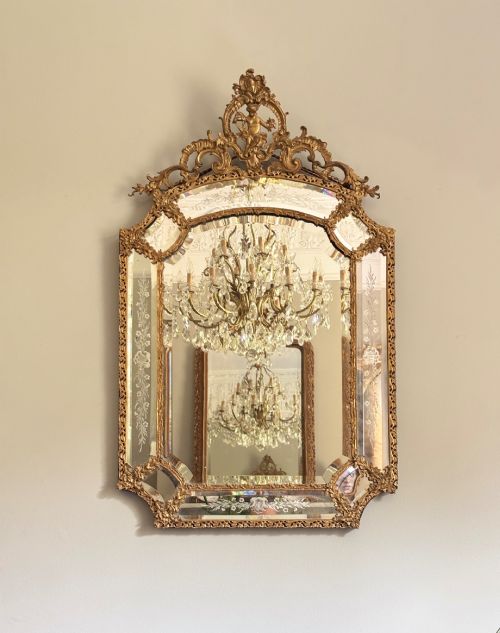
Composition materials and pressed brass were also utilised for decorative mouldings, especially on Victorian and later pieces. Mirror glass, including mercury plate and Venetian cut and etched glass, completed the reflective assemblies.
Some Venetian mirrors add a splash of unexpected colour with ruby red glass borders surrounding the central reflection.
Assessing quality and craftsmanship
Quality rests heavily on the depth and crispness of the hand-carving within the crest and frame. Hand-carved wooden details exhibit sharper definition and individuality compared to mass-moulded composition substitutes.
The integrity of the original gilding and the condition of the mirror plate distinguish superior examples. Retaining original mercury plate or period silvering contributes significantly to the authenticity and character of the object.
The Ornate Crest Mirror Glossary
- Gesso
- A plaster-like mixture applied to wood frames. It is carved or moulded to create raised ornamental details before gilding.
- Giltwood
- Wood that has been coated with gold leaf or metallic paint. It provides a luminous finish typical of formal period interiors.
- Overmantel mirror
- A large mirror designed specifically to hang above a fireplace mantelpiece. These often feature horizontal proportions or arched tops.
- Girandole
- A wall mirror featuring attached candle sconces or arms. The candles reflect light back into the room from the glass surface.
Ornate Crest Mirror: Frequently Asked Questions
Where should I hang an overmantel mirror?
These pieces traditionally sit directly above a fireplace mantelpiece to anchor the room's proportions and reflect natural light. They also function effectively on principal walls in hallways or reception rooms.
Ensure the wall structure supports the substantial weight of carved wood and gesso frames. Secure fixings suited to the specific wall type are essential for safe installation.
How do I identify a French Rococo Revival mirror?
Look for asymmetrical scrollwork, C-scrolls, and naturalistic floral motifs inspired by eighteenth-century designs. The frames frequently employ heavy gilding and dramatic crests.
Nineteenth-century interpretations of this style often utilise composition ornamentation over wooden frames. The materials and backboards help indicate the true age of the piece.
What is mercury plate glass?
Mercury plate refers to older mirror manufacturing techniques utilising a tin and mercury amalgam. This creates a distinctive speckled, deep reflective quality distinct from modern glass.
Finding original mercury glass on nineteenth-century pieces adds historical authenticity. The soft, mottled reflection distinguishes period glass from modern replacements.
How do I care for antique gilt frames?
Dust the carved surfaces gently with a soft, dry brush to prevent dirt accumulation in the crevices. Avoid chemical cleaners or moisture, which can damage delicate gesso and gold leaf.
Keep the mirrors away from direct sunlight and excessive humidity. Stable environmental conditions protect the wooden foundations and surface finishes from deterioration.