


Ornate Ceiling Light Fitting
An ornate ceiling light fitting delivers historic illumination and grand decorative presence, bringing period character directly to a room through brass, bronze, and crystal.
Ornate Ceiling Light Fitting
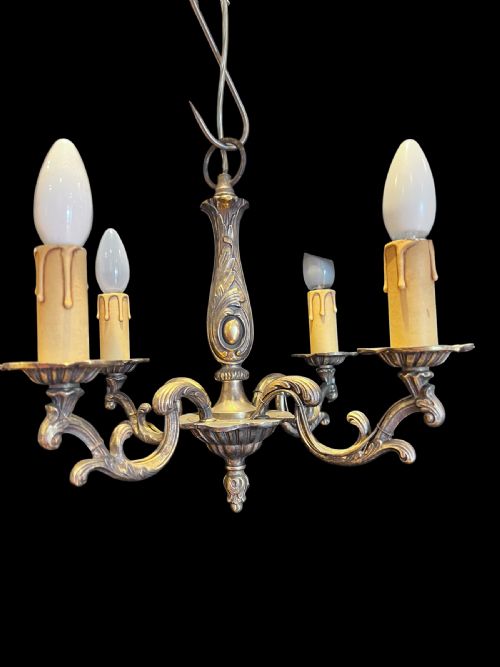
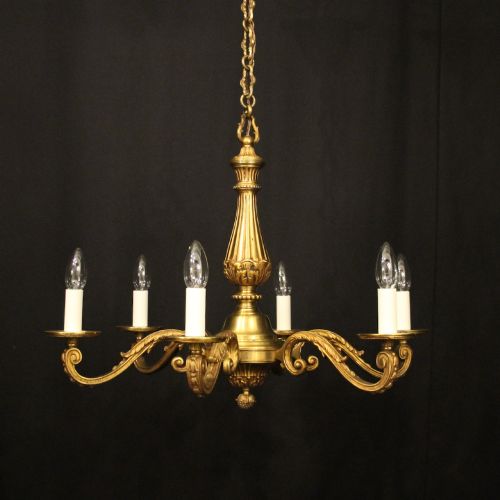
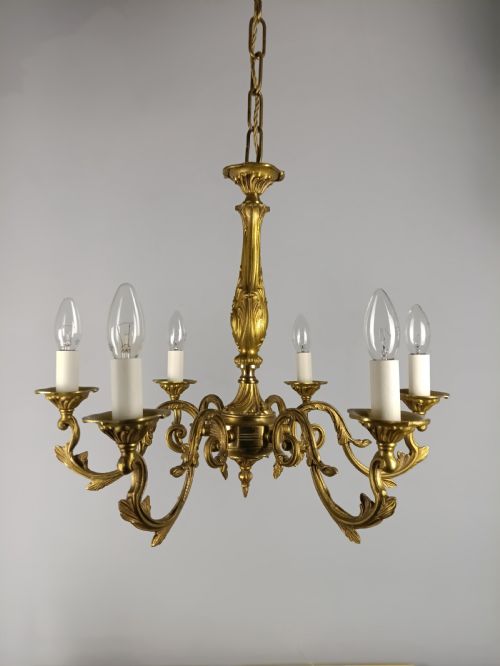
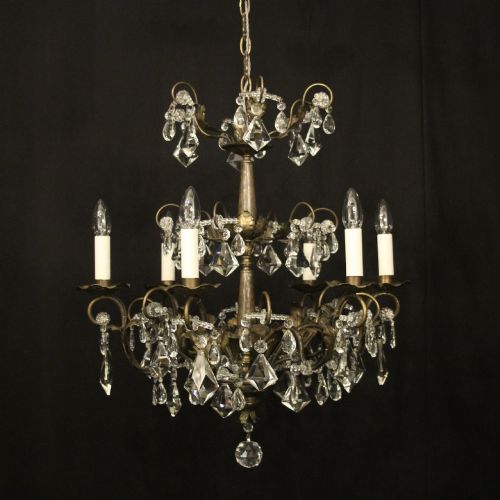
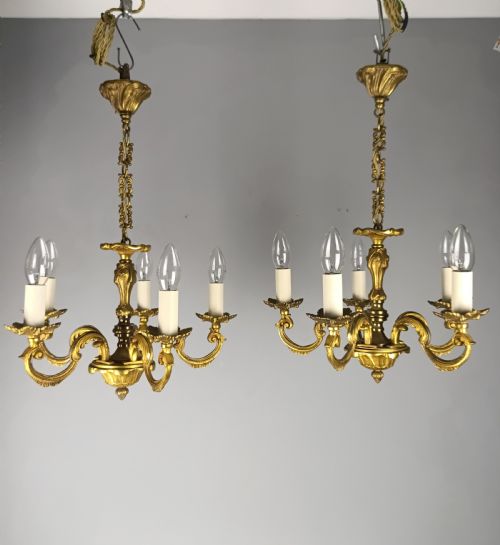
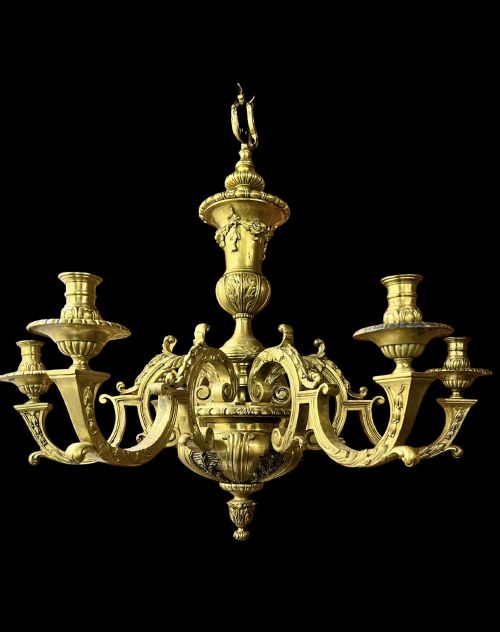
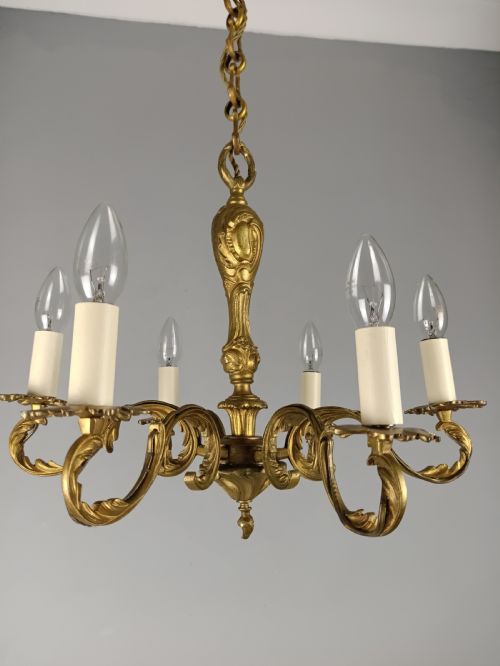
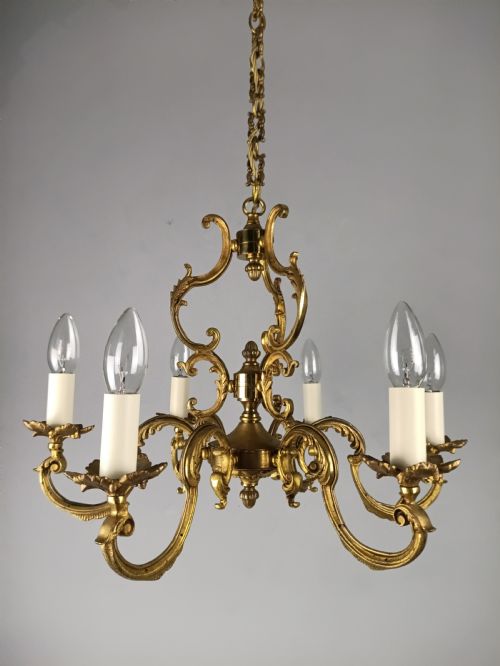
An ornate ceiling light fitting encompasses grand multi-light chandeliers, decorative hanging lanterns, and cast metal ceiling roses designed to anchor a room scheme. When searching for an ornate ceiling light fitting, buyers will most frequently encounter French and Italian chandeliers produced across the nineteenth and early twentieth centuries.
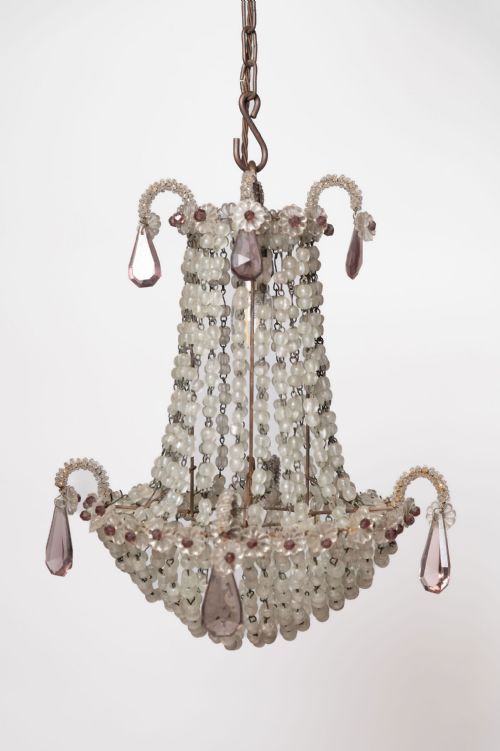
The selection spans substantial fixtures featuring up to eighteen branches, alongside compact pendant lights and architectural ceiling roses in cast brass and iron. Pieces emerge from distinct historic eras including the Victorian and Edwardian periods, as well as specific design movements like French Rococo Revival and Italian Neo-Classical.
Materials and construction methods
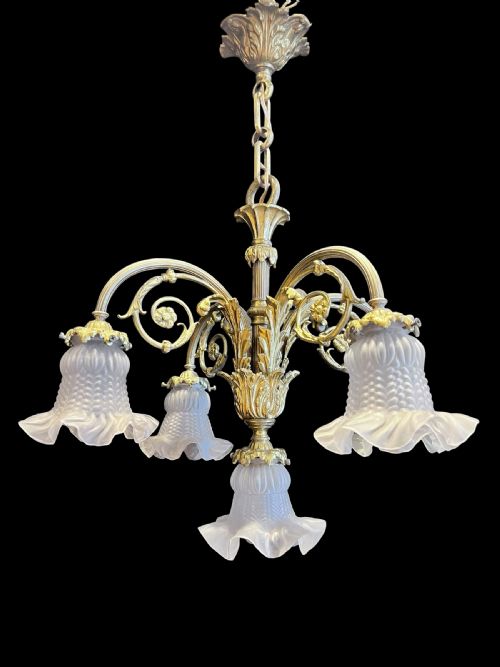
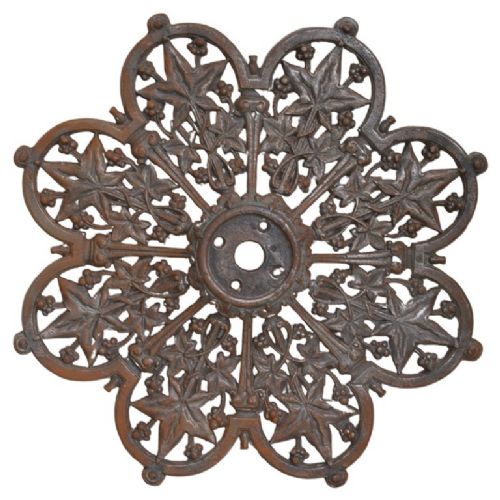
Metal forms rely heavily on cast and gilt brass, bronze, and silver-plated or silver-gilded surfaces shaped into arms, acanthus leaf mounts, and detailed ceiling roses. Artisans utilised traditional casting techniques to create structural frames that could support multiple candle-style or electrified light points.
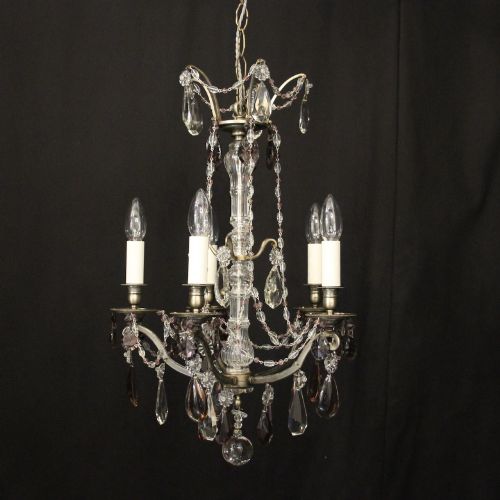
Glass and crystal components play a central role, utilising cut crystal drops, swags, and coloured glass shades to refract light across the room. Certain regional variants incorporate carved giltwood and painted toleware to achieve ornate textures and distinctive silhouettes.
Surface treatments range from fire-gilding on bronze to polished brass and patinated iron, reflecting the high standards of nineteenth and early twentieth-century metalworkers and glassmakers.
The listings span the mid nineteenth century through the 1930s, featuring materials from simple cast iron to fine crystal and gilt bronze.
Distinctions in quality
Quality rests upon the crispness of the casting work, where superior examples exhibit deeply chased acanthus leaves, finely rendered cherubs, and sharp decorative detailing rather than soft or blurred surfaces. The weight and gauge of the brass or bronze used for the arms and central body indicate the structural integrity of the piece.
The completeness and clarity of the glass or crystal elements dictate refinement, with superior chandeliers featuring hand-cut drops and well-matched prisms that secure firmly to the frame. Finer pieces maintain harmonious proportions between the drop, the number of branches, and the complexity of the central coronet.
Original surface finishes, such as untouched gilt bronze or period silver gilding, elevate an example far above pieces that have undergone heavy modern stripping or unsympathetic re-plating.
The Ornate Ceiling Light Fitting Glossary
- Chandelier
- A branched, decorative ceiling light suspended to hold multiple bulbs or candles. These fixtures form the majority of large historic lighting options.
- Ceiling Rose
- An ornamental circular plaster or cast metal plate fixed to the ceiling around the point where a pendant light emerges. Examples in this category utilise cast brass and iron with ivy leaf designs.
- Ormolu
- Gilded bronze, where a layer of gold amalgam is applied to a bronze base. This technique creates a rich, durable golden surface seen on high-end French fixtures.
- Toleware
- Painted sheet metal used in decorative objects and lighting components. It frequently appears alongside giltwood and glass in Italian lanterns.
- Acanthus
- A classic plant-leaf ornamentation carved or cast into metal mounts and capitals. This motif defines the decorative vocabulary of classical and revivalist metalwork.
Ornate Ceiling Light Fitting: Frequently Asked Questions
How do I choose the right size chandelier?
Scale depends on the dimensions of the room and the height of the ceiling. Larger multi-branch fixtures require substantial clearance to hang effectively without dominating the lower space.
Compact pendants and lanterns suit modest rooms or hallways where a large spread of arms would overwhelm the floor plan.
Can these historic lights be wired for modern electricity?
Most antique fixtures adapt readily to contemporary wiring standards while retaining their original sockets or candle-form covers. Professional rewiring ensures safety without altering the exterior appearance.
Components like orange drips and decorative candle tubes can be cleaned or updated during the conversion process.
What is the difference between brass and bronze fittings?
Brass is an alloy of copper and zinc, yielding a bright golden tone when polished, whereas bronze uses copper and tin for a heavier, warmer, and darker base metal. Bronze pieces frequently receive a gilt finish known as ormolu.
Cast brass appears frequently in Victorian ceiling roses and mid-sized chandeliers, while grander French pieces favor gilded bronze.
How do I identify French versus Italian styles?
French designs often lean toward Empire, Rococo Revival, and Chateau aesthetics featuring heavy acanthus mounts, crisp gilt bronze, and numerous candle arms. These pieces emphasise symmetry and architectural grandeur.
Italian lighting frequently incorporates carved giltwood, toleware, and delicate crystal configurations such as the Genoa or Marie Theresa styles, offering a lighter or more whimsical profile.
What maintenance do crystal chandeliers require?
Regular dusting keeps crystal drops and swags bright and reflective. Periodic professional cleaning allows individual glass elements to be washed without damaging the surrounding metal frame.
Checking the stability of the pins holding the crystal swags ensures pieces remain secure over time.