

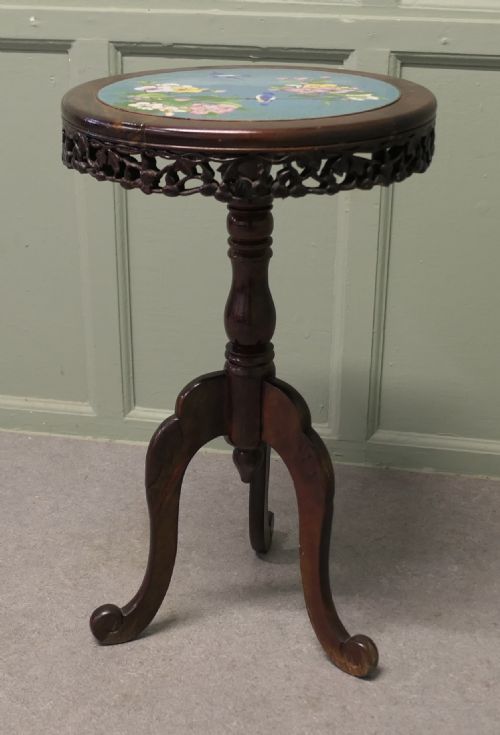


Ornate Carved Wooden Table
An ornate carved wooden table brings sculptural depth and rich grain to a room through dense hand-tooling and distinct regional forms.
Ornate Carved Wooden Table
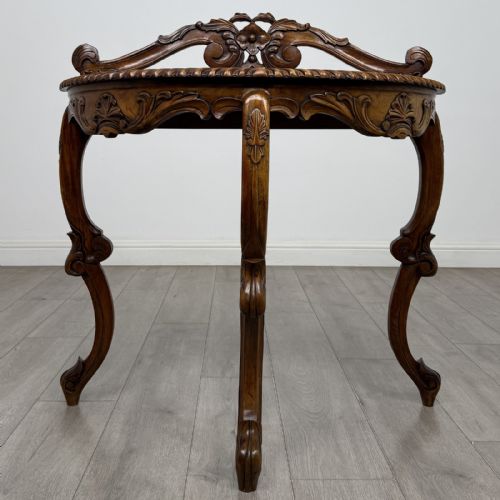
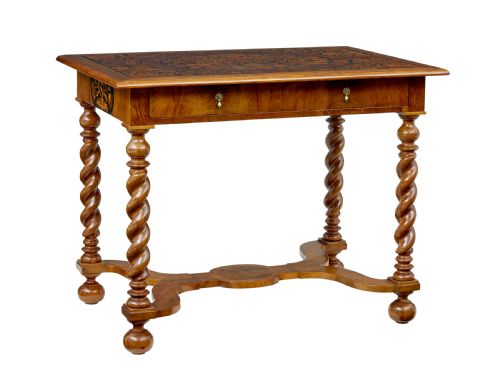
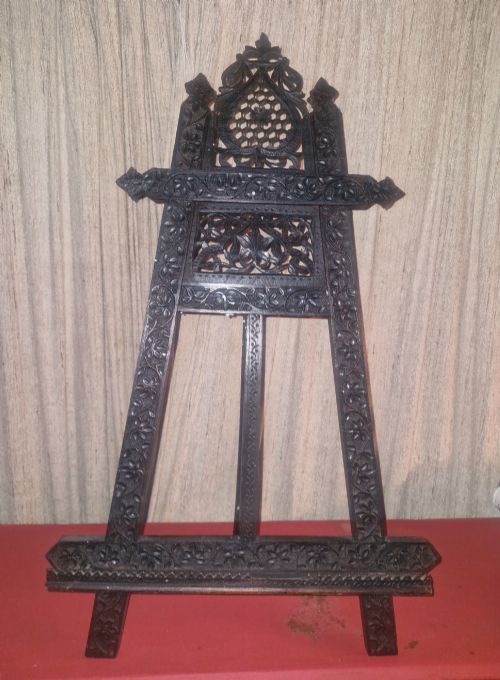
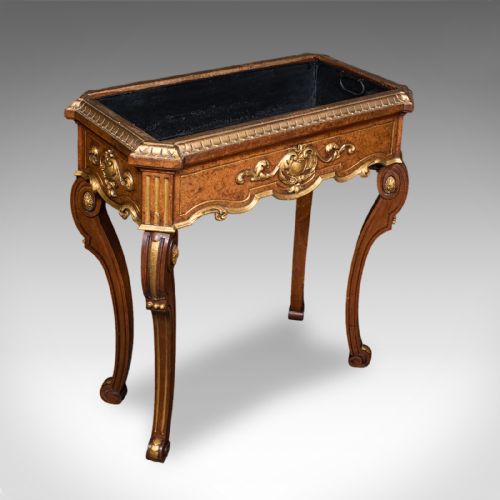
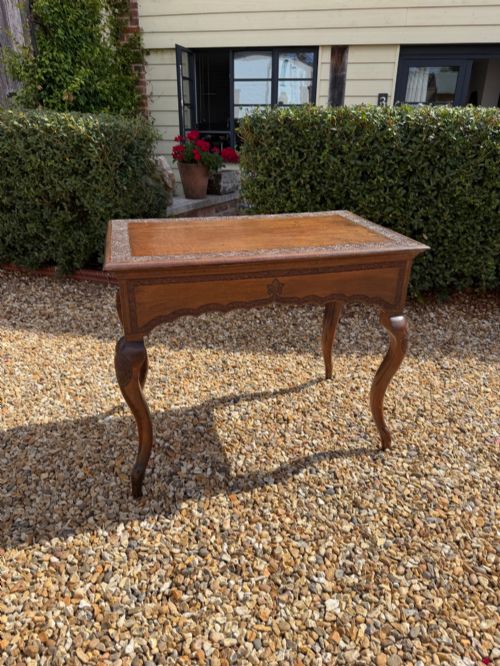
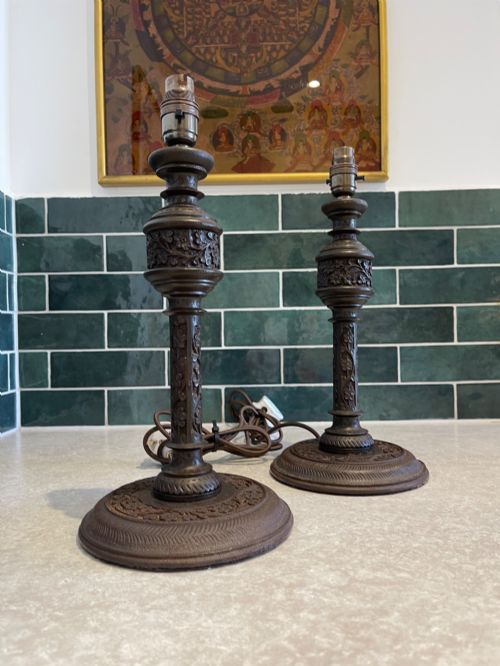
When you search for an ornate carved wooden table, you encounter console tables, side tables, and coffee tables shaped by 18th-century, 19th-century, and early 20th-century hands. These pieces range from Victorian mahogany console tables to intricate Anglo-Indian and Kashmiri occasional tables, each displaying deep relief work.
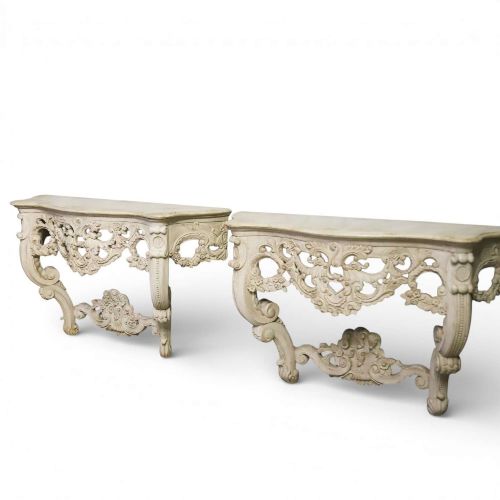
You are most likely to meet 19th-century walnut and rosewood iterations, alongside regional variants from Italy, France, and India. The forms stretch from wall console tables with marble tops to low coffee tables and pedestals, uniting utility with elaborate ornamentation.
The selection encompasses European revival styles like French Rococo and Italian Baroque alongside British Victorian and Oriental designs. Each piece relies on solid timber foundations heavily worked with floral, foliate, or figural motifs.
Materials and construction methods
Cabinet makers utilised dense timbers such as walnut, rosewood, mahogany, padauk, and oak to withstand the heavy chiselling required for deep relief. These hardwoods provided the structural integrity needed for complex console frames and table supports.
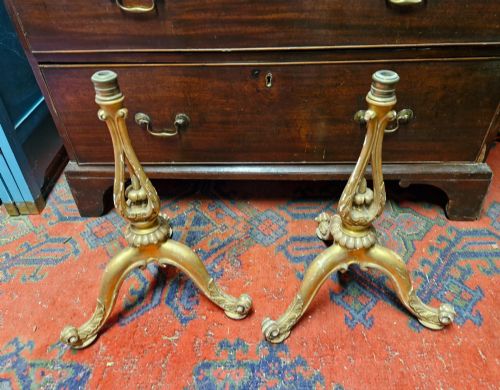
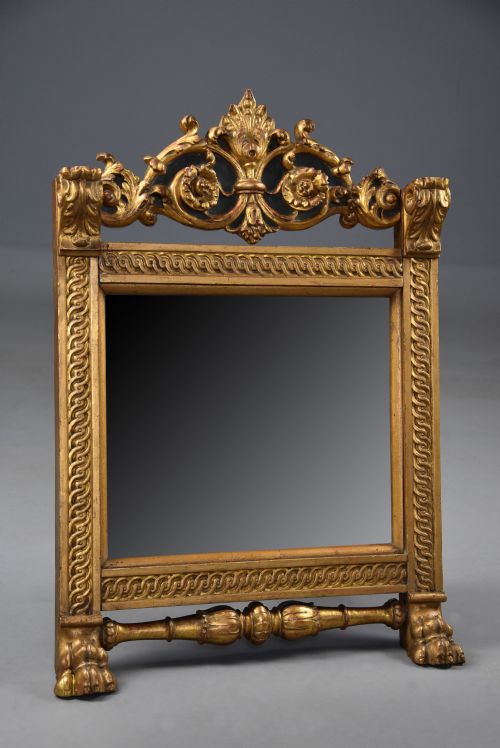
Giltwood, gesso, and silver leaf frequently finish the carved surfaces, adding reflective lustre to Italian Baroque frames and French console tables. Artisans applied these coatings over carved wooden bases to catch the light in formal reception rooms.
Marquetry and inlay work appear across tabletops, combining contrasting woods to create geometric or floral patterns. Joinery relied on traditional mortise and tenon methods to secure heavy pedestals and console legs.
Ornate Carved Wooden Table Retail Price Guide 2026
Typical asking prices for ornate carved wooden table among the pieces listed under this phrase on Sellingantiques today, from the lower quarter to the upper quarter. They describe what is for sale here now, not the wider market.
Listings feature 19th-century walnut, mahogany, and giltwood tables alongside 18th-century Portuguese rosewood and Italian Baroque examples.
Judging the standard of execution
The depth and undercut nature of the carving separates superior examples from simpler production pieces. Master carvers left chisel marks that demonstrate a confident, fluid hand rather than a stiff, mechanical uniformity.
The choice of timber grain dictates visual success, with figured walnut, burr veneers, and rich rosewood providing natural movement beneath the polish. Well-chosen wood complements the complexity of the surrounding ornamentation without obscuring it.
The integration of secondary materials, such as inset marble tops or giltwood finishes, reveals the ambition of the original workshop. Cohesion between the carved wooden structure and its decorative surface marks the upper tier of these items.
Lenzkirch
The Ornate Carved Wooden Table Glossary
- Console table
- A table designed to stand against a wall, frequently secured to the vertical surface and supported by ornate front legs or brackets.
- Giltwood
- Wood that has been coated with gold leaf or gold paint to simulate solid gold, common in Baroque and Rococo decorative furniture.
- Marquetry
- The art of applying pieces of veneer to a structure to form decorative patterns, frequently utilising contrasting timbers.
- Gesso
- A plaster mix applied to wood surfaces as a smooth base for gilding or painting.
- Padauk
- A heavy tropical hardwood with a reddish hue, utilised in intricate Anglo-Indian carving.
Ornate Carved Wooden Table: Frequently Asked Questions
Where should I place a console table?
Console tables suit entrance halls, living rooms, and dining spaces where floor space is limited. Their shallow depth allows them to sit flush against a wall while displaying lamps or mirrors.
Pairing a wall-mounted console with a matching carved mirror creates a cohesive focal point in a reception room. Ensure the height aligns with surrounding furniture and architectural mouldings.
How do I clean carved wooden furniture?
Dust intricate carvings regularly with a soft-bristled brush to prevent buildup in the recesses. Avoid heavy chemical polishes that can dull the patina of old walnut or rosewood.
Apply a microcrystalline wax sparingly once or twice a year to protect the timber surface. Buff gently with a lint-free cloth to maintain a natural, soft sheen.
How can I tell Italian Baroque from French Rococo?
Italian Baroque carving tends to be heavier, more muscular, and dramatic, featuring bold scrolls and religious motifs. French Rococo embraces asymmetry, C-scrolls, and delicate floral sprays.
Look at the overall silhouette and the rhythm of the foliage. Baroque pieces project solemn grandeur, while Rococo designs feel lighter and more playful.
Can I use an antique table for daily dining?
Many antique tables serve well for daily use provided you protect the surface from heat and moisture. Use placents and coasters to safeguard delicate finishes and veneer.
Heavier dining tables in oak or walnut handle regular activity with ease. Lighter decorative tables benefit from serving as side surfaces rather than primary desks.