






Ornate Carved Plant Stand
These ornate carved plant stand pieces bring botanical display to life, offering sculptural presence and elevated form for interiors.
Ornate Carved Plant Stand
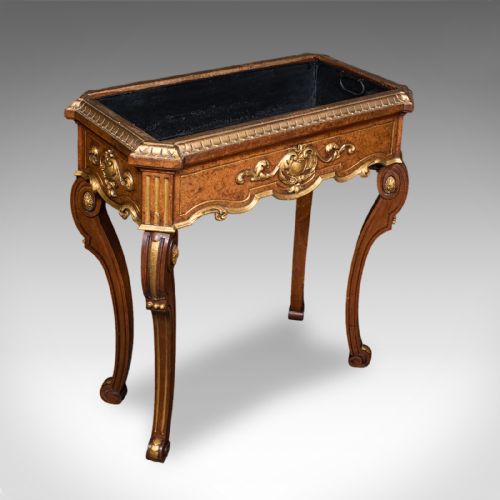
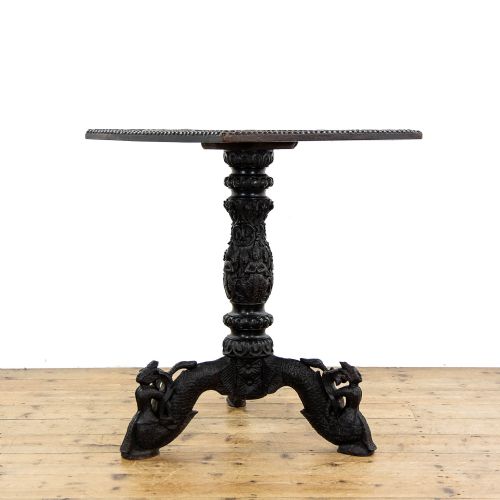
An ornate carved plant stand serves as an elevated platform for botanical displays, bringing vertical interest and sculptural form to domestic interiors. When searching for an ornate carved plant stand, buyers encounter pieces ranging from Victorian pedestal designs to Continental revival forms.
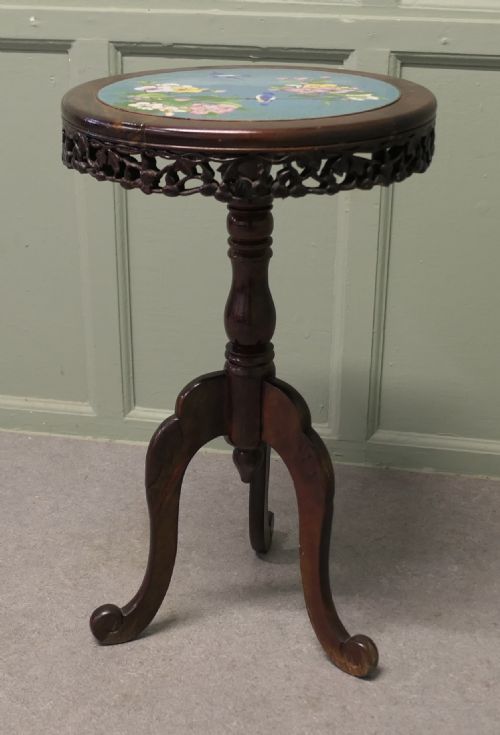
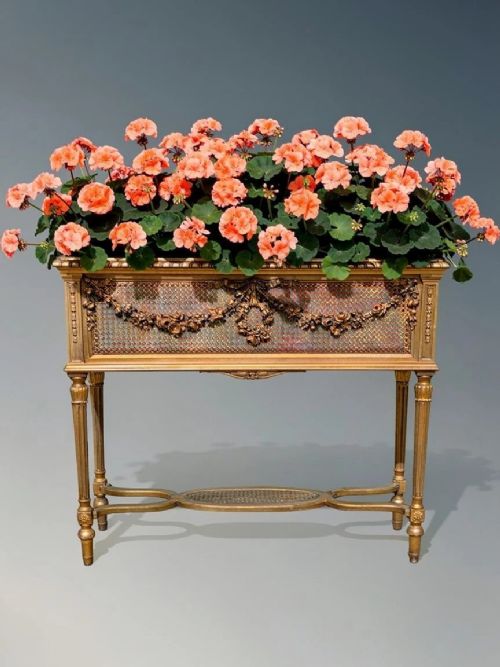
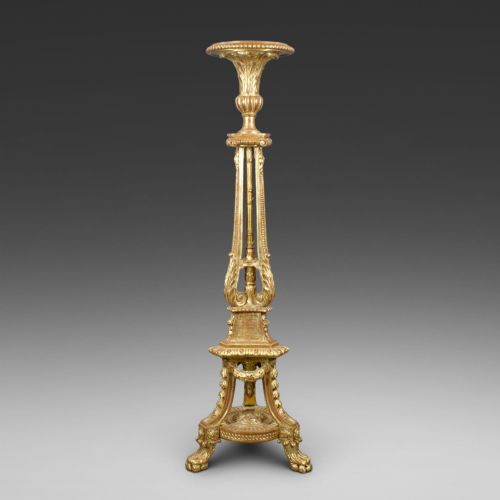
The selection encompasses diverse regional interpretations, including Anglo-Indian carvings, Chinese export tables, and Italian giltwood pedestals. These objects function primarily as display surfaces for jardiniere bowls, porcelain vases, or sculptural busts.
Most examples originate from the nineteenth and early twentieth centuries, spanning periods such as the Regency era, the Victorian epoch, and Edwardian decades. Forms vary from slender torchere columns to low jardiniere tables and tripod wine stands.
Materials and construction methods
Construction relies upon traditional cabinetmaking timber selections, predominantly walnut, teak, and dense hardwoods chosen for structural stability under heavy stone tops or metal planters. Giltwood and gesso finishes provide opulent surface decoration, frequently enhanced with applied gold leaf.
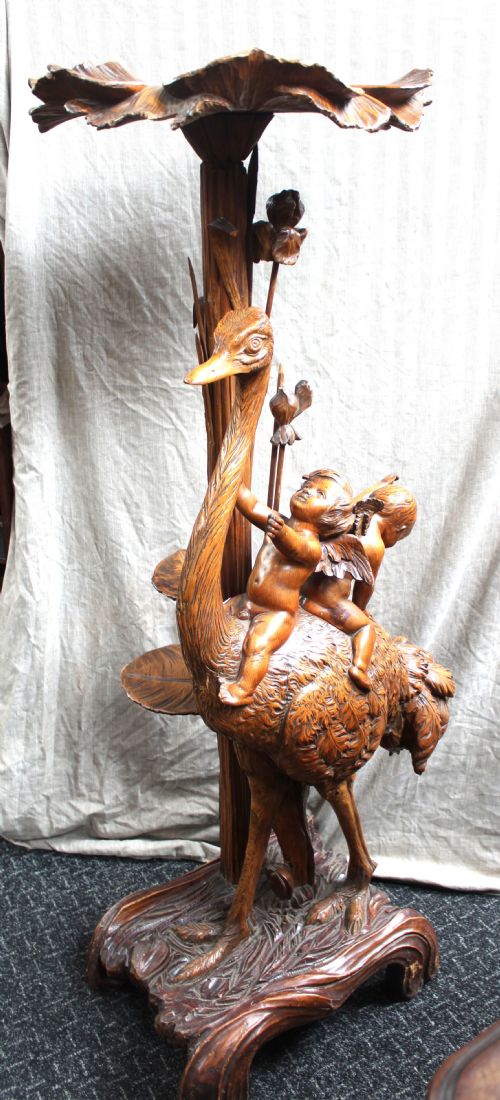
Carving techniques involve intricate hand-chiselling of foliage, figural elements, and geometric motifs directly into the solid wood substrate. Surface enrichment also incorporates painted polychrome details, cane panels, and inlaid cloisonné elements.
Ornate Carved Plant Stand Retail Price Guide 2026
Typical asking prices for ornate carved plant stand among the pieces listed under this phrase on Sellingantiques today, from the lower quarter to the upper quarter. They describe what is for sale here now, not the wider market.
Listings feature items from the nineteenth century alongside 1920 and 1930 examples, utilising materials like marble, giltwood, and teak.
Evaluating craftsmanship and execution
Quality reveals itself through the depth and crispness of the hand-carved detail, where superior examples exhibit undercut foliage and sharply defined motifs rather than soft, moulded resin substitutes. The integrity of the timber joinery and the stability of slender columns dictate structural longevity.
Gilding technique separates standard pieces from exceptional ones, with genuine gold leaf application showing burnished highlights and natural ageing compared to flat modern metallic paints. The quality of supplementary materials, such as heavy marble or alabaster tops, further distinguishes higher-tier works.
The Ornate Carved Plant Stand Glossary
- Torchere
- A tall, slender stand or pedestal originally designed to carry a torch or candle, later adapted for decorative urns and plants. These pieces often feature tripod bases and fluted columns.
- Jardiniere
- An ornamental pot or stand intended for holding plants or flowers indoors, frequently manufactured in porcelain, metal, or carved wood. They sit atop dedicated tables or pedestals.
- Giltwood
- Timber that has been coated with a thin layer of gold leaf or gold powder over a prepared gesso ground. This finish provides a luminous decorative surface.
- Cloisonné
- An ancient technique for decorating metalwork objects with coloured glass paste placed within partitioned wire compartments. It appears on inlaid table tops and decorative inserts.
- Gesso
- A plaster mix applied to wood surfaces as a smooth base for gilding and paint. It allows artisans to carve fine decorative relief details before applying gold leaf.
Ornate Carved Plant Stand: Frequently Asked Questions
What is an ornate carved plant stand used for?
These stands elevate potted plants, flower arrangements, or decorative jardinieres to eye level, creating focal points within rooms.
Historically, they also served as pedestals for lighting, bronze sculptures, and portrait busts in grand interiors.
How do I care for a giltwood plant stand?
Keep wooden and gilt surfaces away from direct sunlight and excessive moisture to prevent cracking or lifting of the delicate gold leaf.
Dust gently with a soft, dry cloth and avoid commercial cleaning sprays that can damage historic finishes.
How can I tell the difference between periods?
Nineteenth-century pieces often display revival styles like Italian Renaissance or French Rococo with heavy carving and giltwood.
Later Edwardian and early twentieth-century examples frequently incorporate lighter timbers, Chinoiserie motifs, or simpler turned supports.
Are these stands suitable for heavy pots?
Solid hardwood and heavy stone-topped pedestals provide robust support for substantial planters and large botanical specimens.
Slender torchere styles are better suited to lighter ceramic bowls or decorative items to ensure stability.