

Ornate Carved Frames
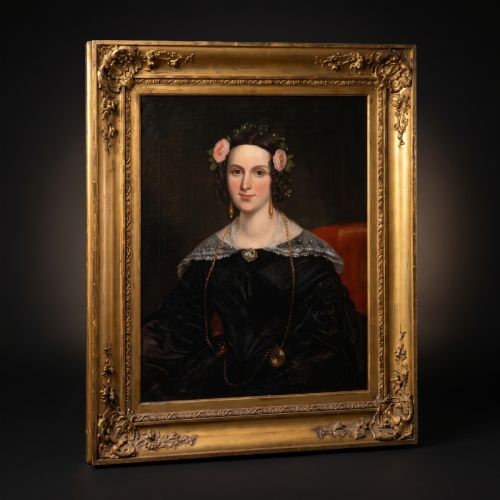
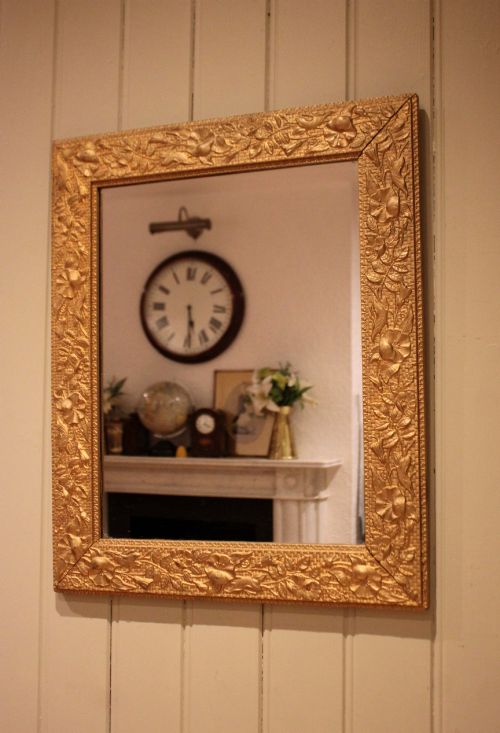
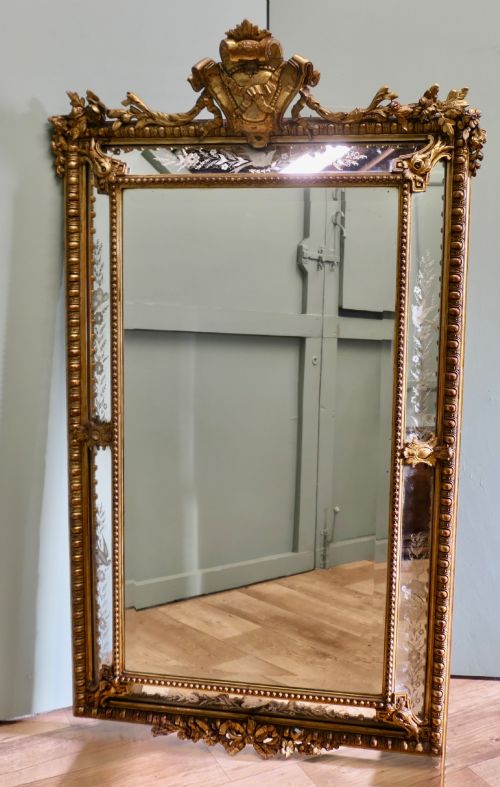
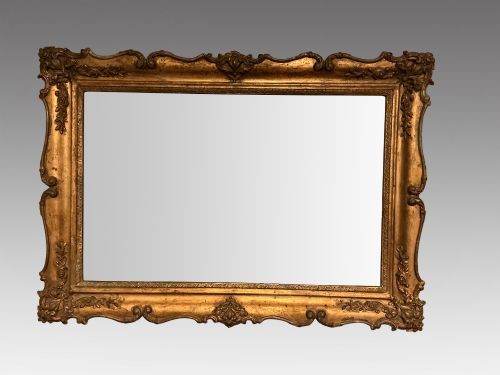
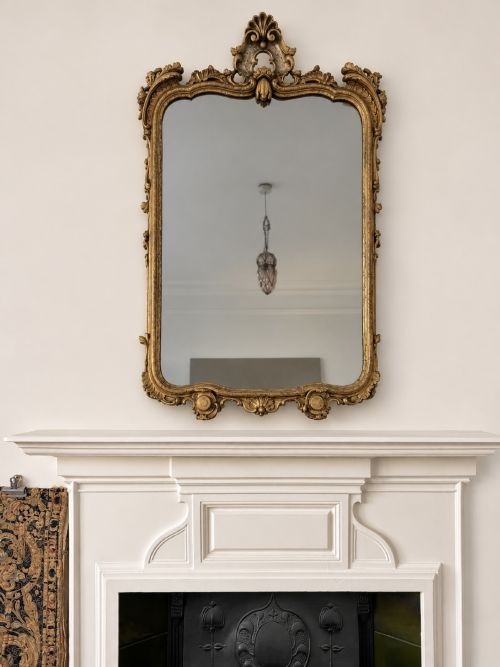
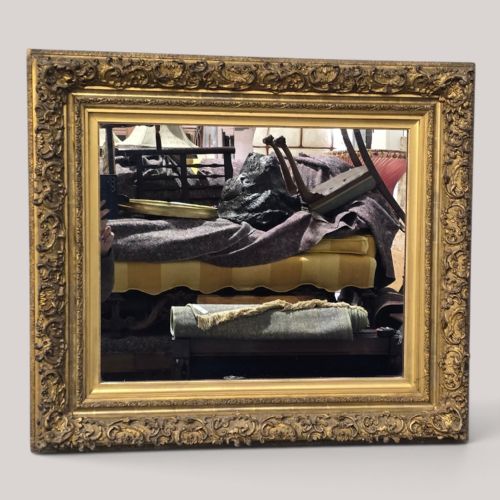
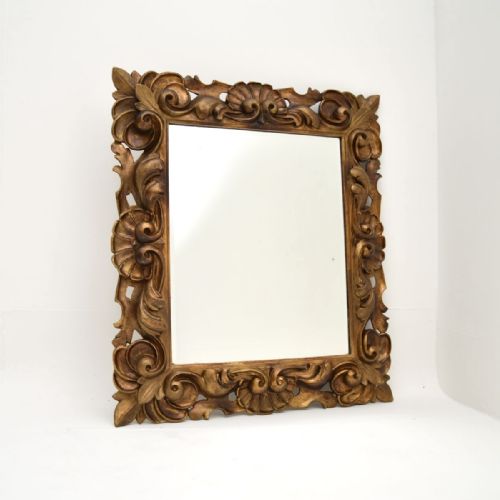
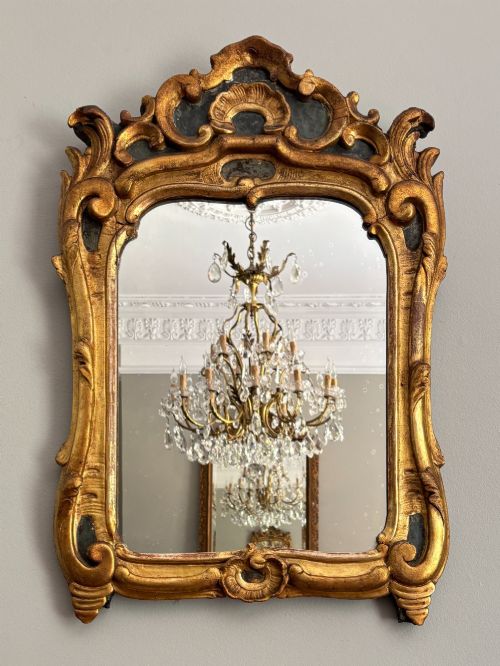
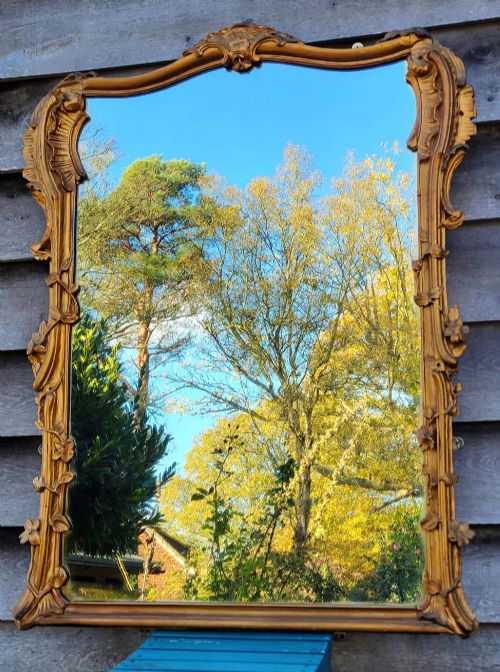
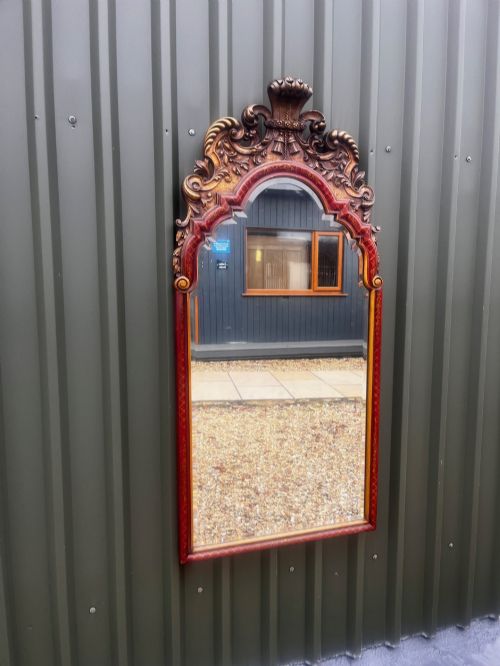
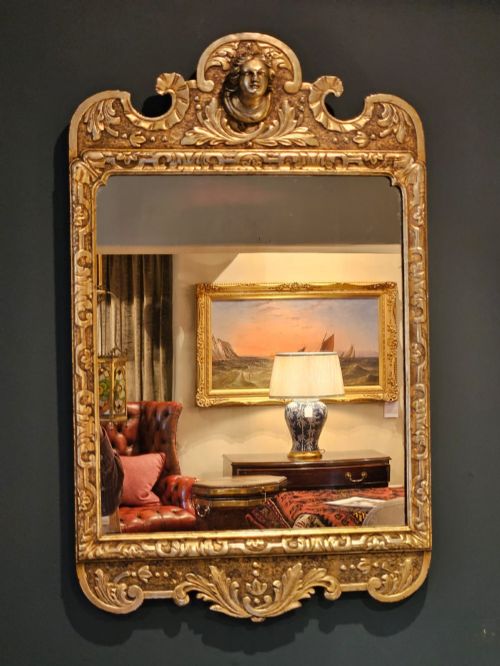
Ornate carved frames bring interior spaces historical depth through rich gilding and elaborate crests.
Ornate Carved Frames
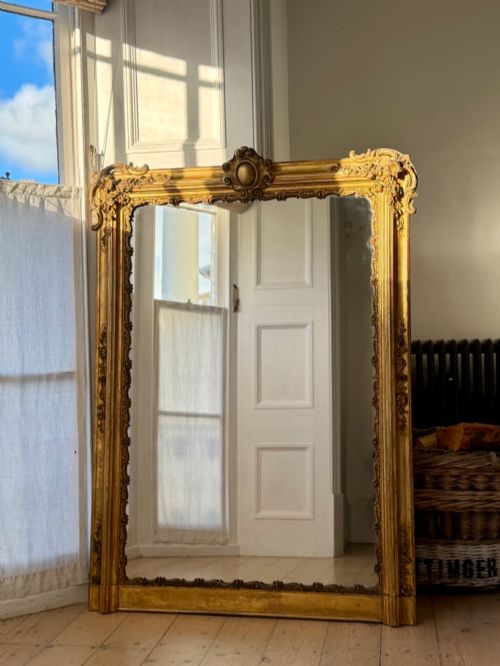
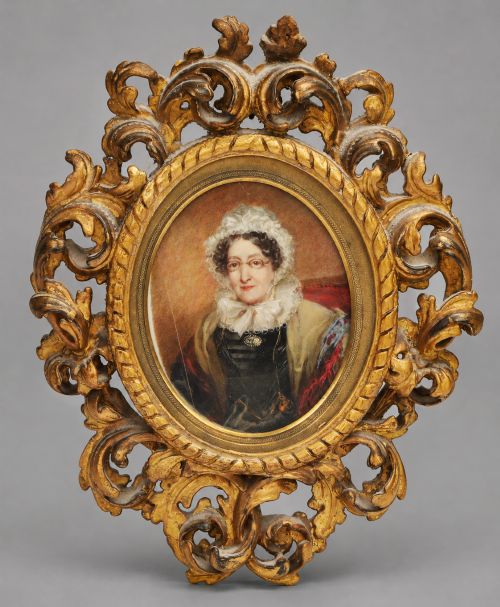
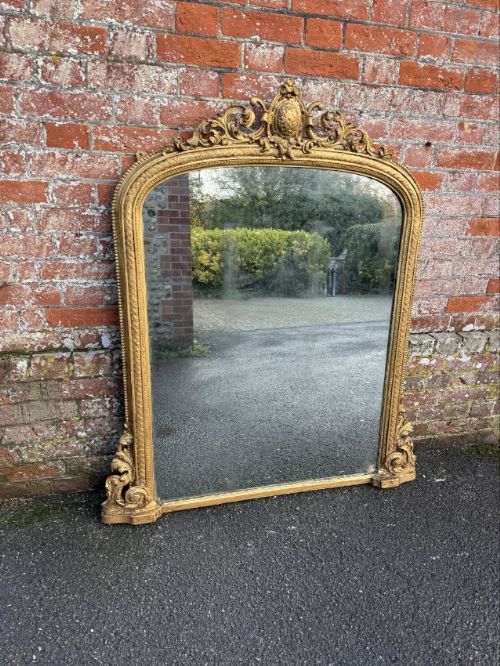
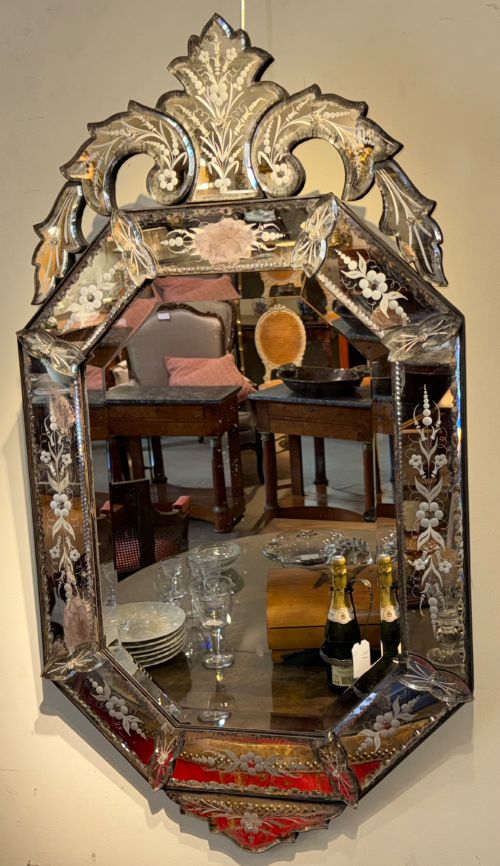
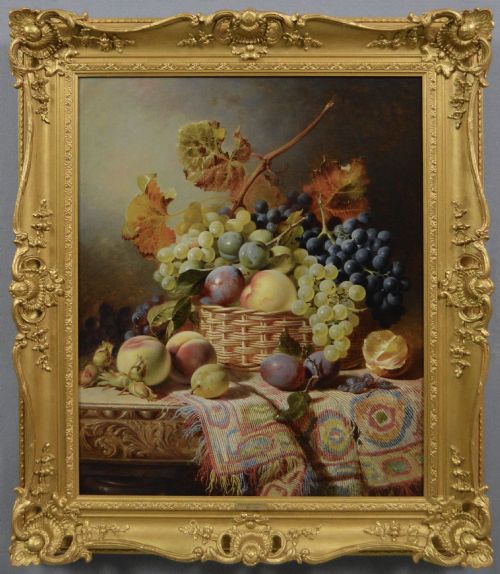
When buyers search for ornate carved frames, they encounter decorative borders enclosing glass or canvas across several centuries. The selection here primarily consists of wall mirrors, overmantel mirrors, and picture frames from the nineteenth century. These objects served functional roles in period drawing rooms while simultaneously displaying sculptural craftsmanship.
The prevailing aesthetic leans heavily into revival movements, notably Rococo Revival and French Rococo styles. Pieces range from large architectural overmantel mirrors designed to sit above fireplaces to intimate oval wall mirrors. Many incorporate shaped tops, elaborate crests, and ribbon motifs typical of nineteenth-century European design.
Beyond wall-hanging pieces, the category occasionally extends to larger furnishings with prominent woodwork. Beds, bedsteads, and sofas appear with carved wooden elements that echo the ornamentation found on mirror surrounds. The dominant presence, however, remains giltwood and gesso wall mirrors from the Victorian era onwards.
How they were made
The construction of these pieces relies heavily on timber substrates built up with layers of gesso before gilding. Carved wood provides the primary structural foundation, onto which plaster and composition ornaments are applied to achieve high relief. Gilding is then achieved using gold leaf or silver leaf applied over the prepared surface.
Makers utilised traditional joinery combined with detailed hand-carving or moulded composition details. Mirror plates in this selection include antique glass, some with bevelled edges or etched details. Walnut, oak, and other timbers form the structural carcasses beneath the gilded and painted finishes.
Ornate Carved Frames Retail Price Guide 2026
Typical asking prices for ornate carved frames among the pieces listed under this phrase on Sellingantiques today, from the lower quarter to the upper quarter. They describe what is for sale here now, not the wider market.
Several pieces feature lively ribbon crests that make the wall look as though it is permanently dressed up for a grand Victorian party.
What varies in quality
Quality in these objects resides in the crispness of the carving and the depth of the applied gesso. Superior examples display sharply defined acanthus leaves, scrollwork, and crests where hand-tooling remains evident beneath the gilding. Lower tiers often rely on heavy composition moulding that lacks the tactile sharpness of carved wood.
The integrity of the surface finish further distinguishes the work. Hand-gilt surfaces showing subtle variations in tone outlast uniform modern metallic paints. Additionally, the presence of original antique glass plates with period silvering adds considerable character compared to modern replacement mirror glass.
The Ornate Carved Frames Glossary
- Giltwood
- Timber that has been coated with gold leaf. This material forms the primary shining surface on the majority of nineteenth-century decorative mirrors.
- Gesso
- A plaster mixture applied to wood frames to create a smooth surface for gilding. It holds intricate moulded and carved details with precision.
- Overmantel
- A large mirror designed to hang directly above a fireplace mantelpiece. These pieces frequently feature wide proportions and elaborate crests.
- Composition
- A moulded mixture of whiting, resin, and oil pressed into ornaments. Makers used it alongside hand-carved wood to build up relief decoration efficiently.
- Rococo Revival
- A nineteenth-century design style drawing on eighteenth-century French motifs. It is characterised by asymmetrical scrolls, plant forms, and C-scrolls.
Ornate Carved Frames: Frequently Asked Questions
How do I hang a heavy overmantel mirror safely?
Heavy overmantel mirrors require professional wall anchors fixed directly into masonry or substantial timber studs. The weight of the timber and gesso construction demands robust load-bearing hardware.
Ensure the hanging wire or integrated brackets match the total weight of the frame. Consulting a specialist installer prevents structural damage to both the wall and the antique.
What is the difference between gesso and carved wood?
Carved wood involves cutting directly into the timber substrate to create decorative relief. Gesso is a plaster-like substance applied over the wood and modelled or moulded into shape.
Finer pieces feature deep hand-carving beneath the gesso layer, whereas simpler items rely more heavily on moulded composition paste for ornamentation.
Can I place these mirrors in a bathroom?
Placing antique gilded mirrors in damp environments like bathrooms risks damaging the gesso and wood substrate. Moisture causes the plaster layers to swell and crack over time.
Humidity also accelerates the degradation of antique silvering on the glass plate. Dry living areas and hallways provide a much safer environment for preservation.
How do I clean an antique giltwood frame?
Dust these frames gently using a very soft, dry brush or a clean feather duster. Avoid applying water, commercial cleaning sprays, or moisture directly onto the gilded surface.
Aggressive rubbing can strip the delicate gold leaf or damage the underlying gesso. Professional conservators should handle any deep cleaning or structural repairs.