




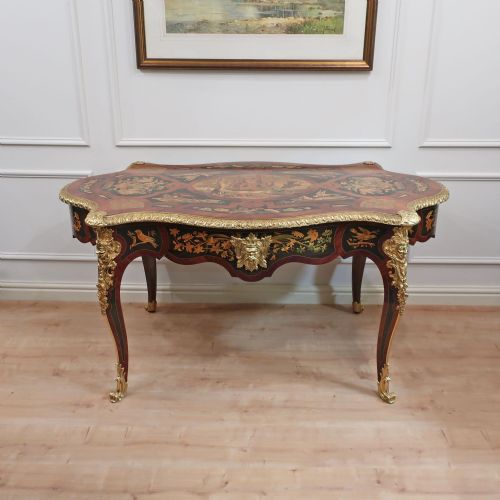
Ornate Bronze Table
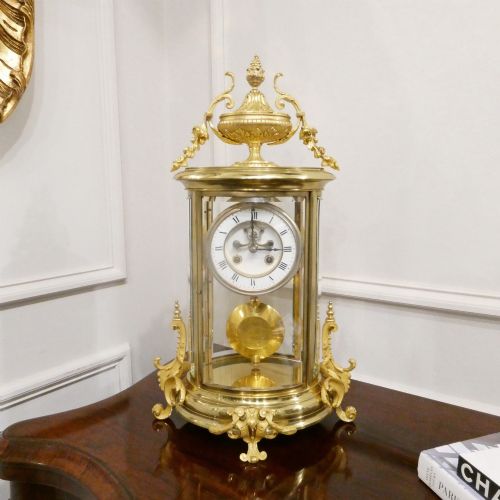
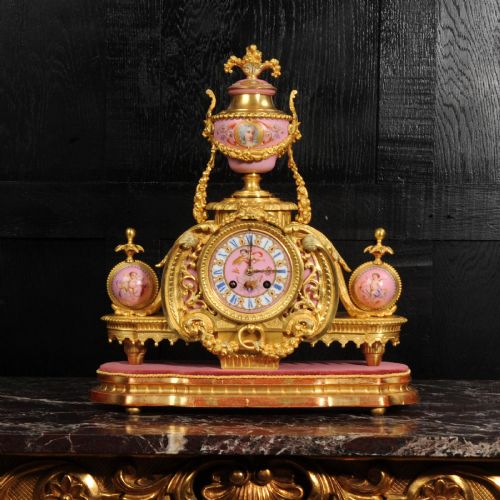
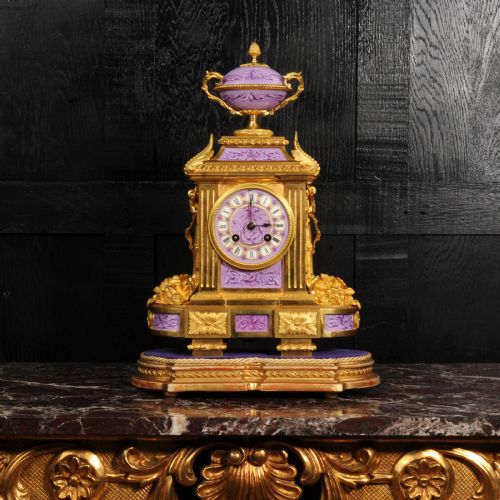
An ornate bronze table or associated garniture brings nineteenth-century French and Victorian grandeur directly into a room through elaborate casting and gilding.
Ornate Bronze Table
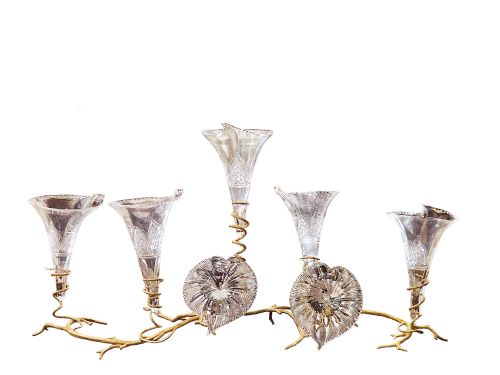
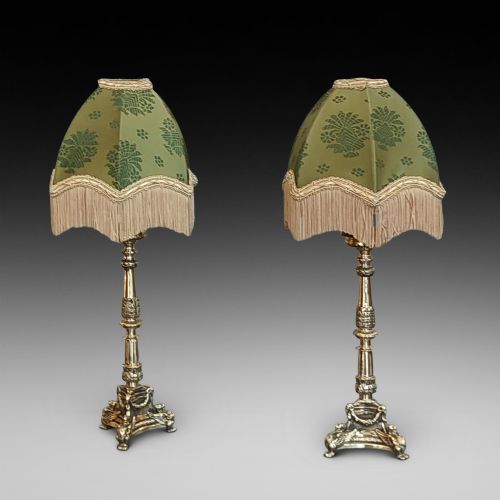
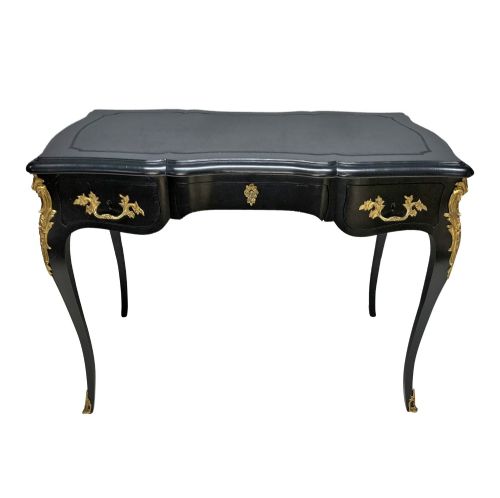
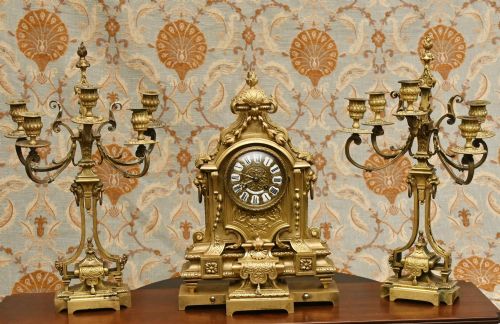
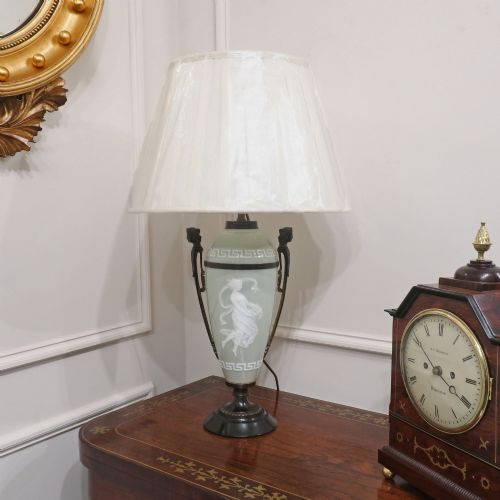
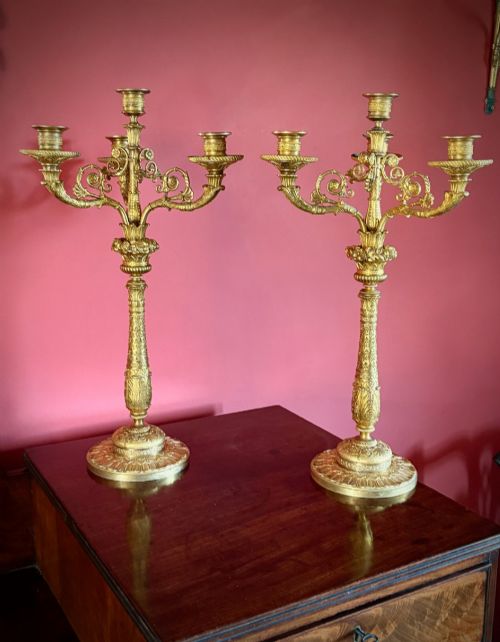
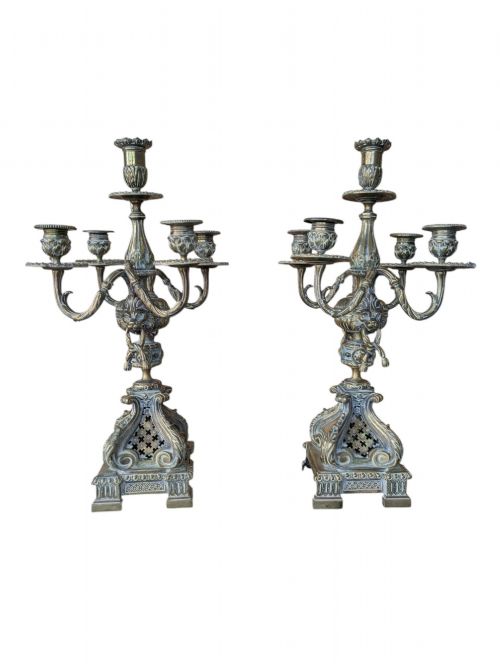
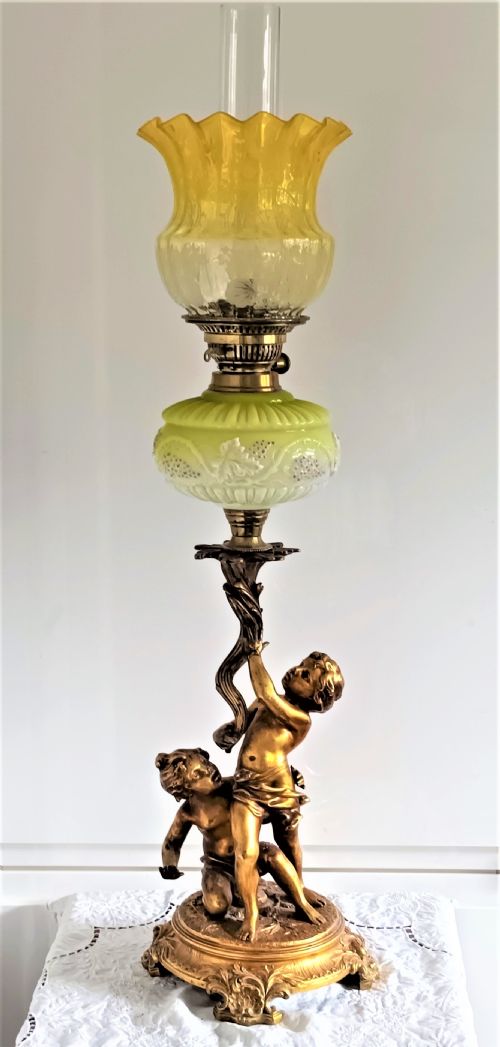
When you search for an ornate bronze table, you encounter nineteenth-century French and Victorian pieces dominated by gilt bronze, ormolu, and heavy cast brass forms. The selection frequently includes related salon items such as mantel clocks, candelabras, and desk pieces rather than plain surfaces alone.
The aesthetic draws heavily on French Rococo Revival, Louis XVI styles, and Victorian opulence, spanning decades from eighteen-fifty to nineteen-ten. Pieces incorporate supportive materials like marble tops, porcelain plaques, and enamel detailing alongside the primary metal structures.
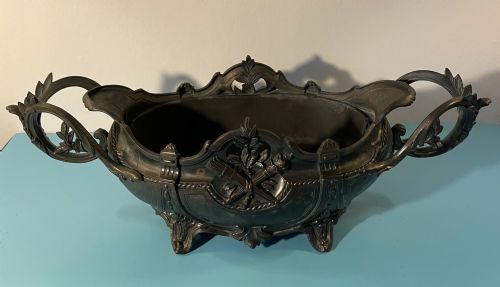
Makers and horologists such as Achille Brocot, Samuel Marti, and Japy Freres often signed the movements or mounts associated with these decorative works. Forms range from bureau plat writing desks and lamp tables to large centrepiece bowls, jardiniere planters, and elaborate mirrors.
Materials and casting techniques
Craftsmen utilised bronze, brass, and gilt metal, applying fire gilding or ormolu finishes to achieve a bright, reflective surface. Champlevé enamel work and Sèvres porcelain inserts were frequently integrated into the metal frames to add colour and texture.
Foundries employed intricate sand casting or lost-wax methods to create deep relief scrolls, foliage, and figural mounts characteristic of the Rococo and Neoclassical revivals. Structural elements often incorporated secondary woods, mahogany, satinwood, and white marble slabs.
Ornate Bronze Table Retail Price Guide 2026
Typical asking prices for ornate bronze table among the pieces listed under this phrase on Sellingantiques today, from the lower quarter to the upper quarter. They describe what is for sale here now, not the wider market.
Several porcelain clock dials feature delicate hand-painted numerals that spent centuries quietly counting down the tea times of absent nobility.
Assessing craftsmanship and finish
The depth and crispness of the bronze chasing separate superior castings from softer, repetitive factory production. Sharp definition in acanthus leaves, scrollwork, and figural details indicates skilled hand-finishing after the initial metal pour.
The integration of secondary materials defines the tier of a piece, from finely painted Sèvres porcelain plaques and pristine champlevé enamel cells to the weight and thickness of the underlying marble tops and fire-gilded surfaces.
Achille Brocot·Samuel Marti·Japy Freres
The Ornate Bronze Table Glossary
- Ormolu
- Finely ground high-carat gold applied to a bronze base using a mercury amalgamation technique, common in French decorative arts. This finish yields a warm, enduring lustre distinct from modern electroplating.
- Champlevé
- An enamelling technique where troughs are dug into a metal surface and filled with vitreous paste before firing. The resulting coloured patterns sit flush with the surrounding bronze or brass mount.
- Bureau Plat
- A formal freestanding writing desk featuring a flat top, often ornamented with gilt bronze mounts and leather inserts. These tables typify nineteenth-century French revivalist interior design.
- Jardiniere
- An ornamental receptacle designed to hold plants or flowers, frequently cast in gilt bronze or brass with intricate handles and feet. They served as focal points on nineteenth-century salon tables.
- Garniture
- A coordinated set of decorative objects, typically comprising a central mantel clock flanked by matching candelabras or urns. These sets were manufactured to create a balanced display on a mantelpiece or console.
Ornate Bronze Table: Frequently Asked Questions
How do I clean gilt bronze and ormolu?
Dust surfaces gently with a soft brush and avoid all chemical solvents or abrasive metal polishes. Harsh cleaning strips away the thin historical layer of fire gilding permanently.
Moisture can damage embedded porcelain plaques or champlevé enamel sections, so keep liquid away from mixed-media areas entirely.
Were these pieces made in France or England?
The majority of ornate bronze works and related clocks originate from French workshops following Parisian taste. English makers also produced gilded brass and bronze items during the Victorian era, often adopting French revival styles.
Maker signatures on clock movements and quality stamps on mounts usually confirm the workshop origin.
What is the difference between bronze and brass?
Bronze is an alloy of copper and tin, while brass combines copper and zinc. Antique makers preferred bronze for finer casting detail and superior receptivity to ormolu gilding.
Brass was frequently utilised for structural frames, secondary fittings, and heavier utilitarian items.
How do I date a nineteenth-century French clock?
Examine the backplate of the movement for maker stamps, serial numbers, and exhibition medals awarded to firms like Samuel Marti or Japy Freres. These touchmarks correlate with specific operational decades.
stylistic clues like the transition from Rococo Revival curves to Neoclassical symmetry also help narrow the manufacturing period.