




Ornate Bronze Lamps
Ornate bronze lamps bring heavy cast metal and rich gilt finishes together to illuminate interiors with antique character.
Ornate Bronze Lamps
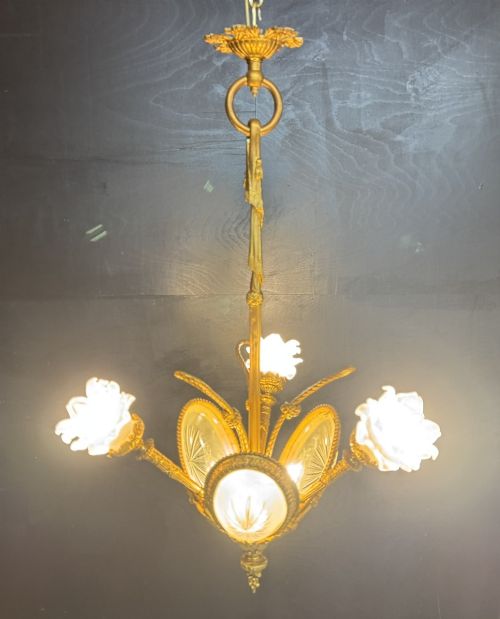
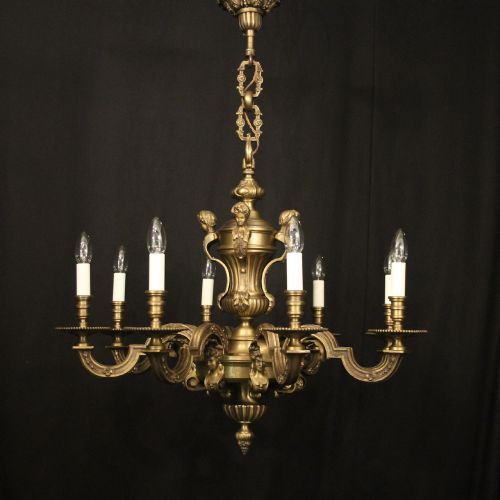
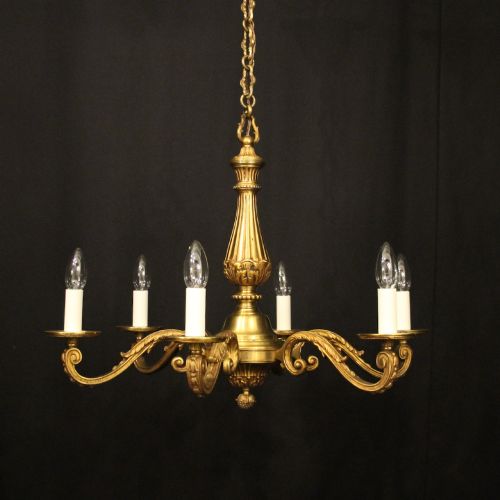
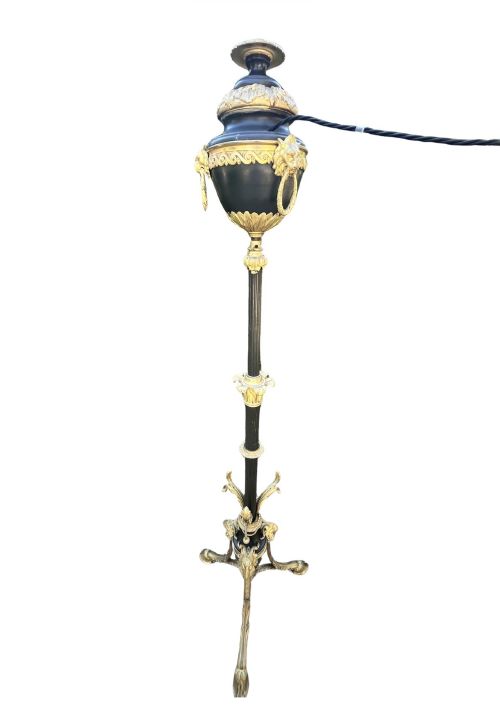
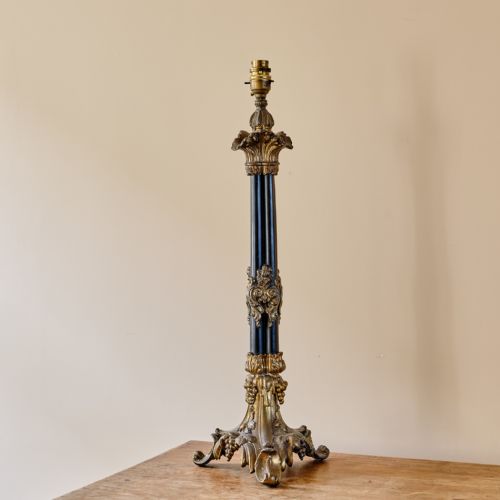
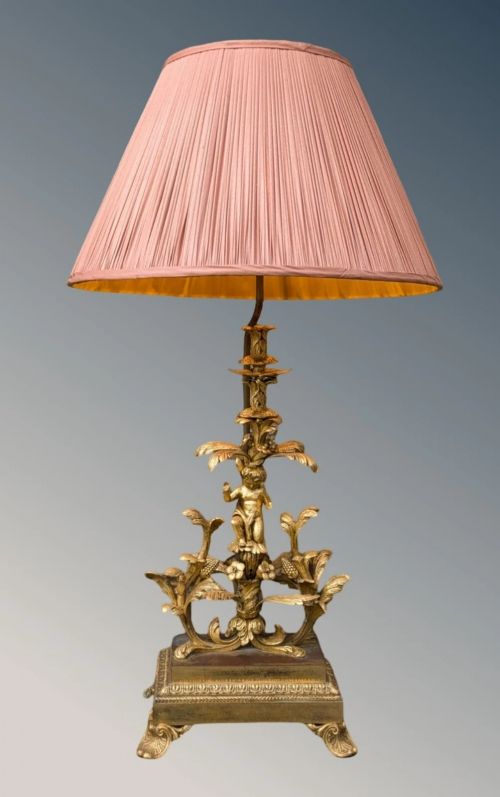
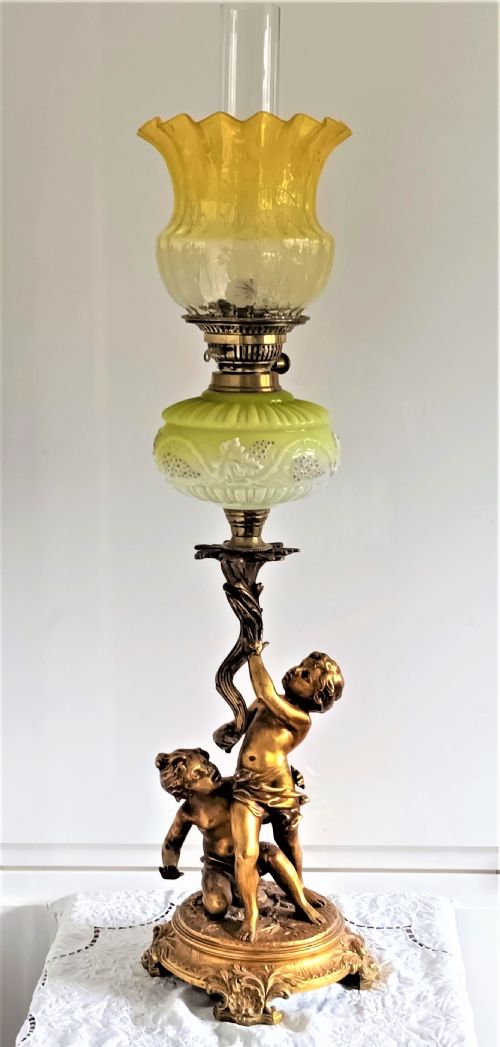
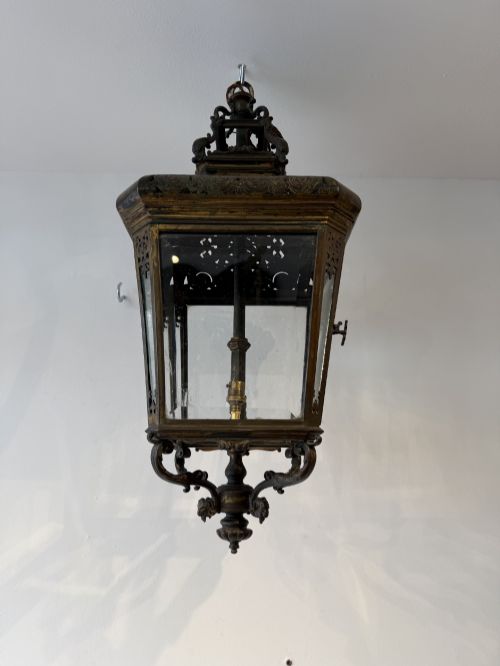
These ornate bronze lamps encompass table lamps, standard lamps, chandeliers, and wall lights spanning the nineteenth century and the early twentieth century. Buyers encounter French Neoclassical, Rococo Revival, and Victorian styles shaped into candelabra, figural bases, and urns. Many pieces originate from French workshops, bringing substantial cast metal forms to domestic settings.
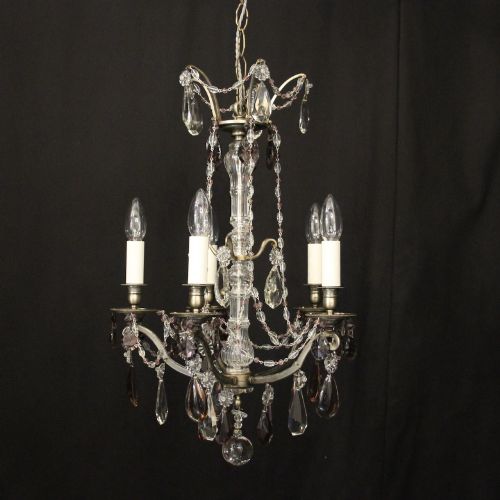
Table lamps and standard lamps frequently feature marble bases or gilt bronze mounts, alongside converted candelabra and oil lamps. Chandeliers range from compact multi-light fixtures to large sixteen-light statement pieces. The selection mixes heavy cast bronze with gilded brass and ormolu finishes.
Materials and construction
Maker workshops utilised bronze, brass, ormolu, and cast metals, often applying thick gilding or silver finishes to the metal surface. Heavy casting allowed for intricate figural details like cherubs and classical urns. Marble bases and cut crystal components provided weight and contrast to the metallic structures.
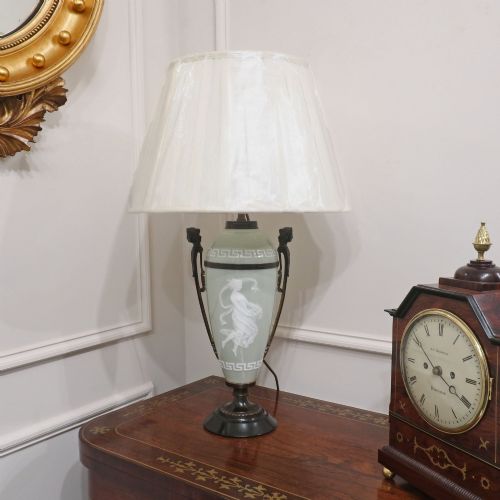
Many lighting pieces incorporate later electrical conversions, adapting nineteenth-century candelabra, oil lamps, and alter candlesticks for modern use. Glass shades, fabric elements, and pate sur pate porcelain also appear alongside the metal frameworks.
Ornate Bronze Lamps Retail Price Guide 2026
Typical asking prices for ornate bronze lamps among the pieces listed under this phrase on Sellingantiques today, from the lower quarter to the upper quarter. They describe what is for sale here now, not the wider market.
Listings feature items from the 1850s through the Edwardian period, incorporating materials such as marble, cut crystal, and ormolu.
Assessing quality in bronze lighting
The crispness of the cast ornamentation dictates the standard of execution, separating finely chased foliage and figures from softer production. Quality rests on the depth of the gilding or ormolu finish and the solidity of the bronze or brass structure.
Original components, such as matching crystal drops, integrated marble plinths, and untouched patination, elevate individual pieces. Converted items rely on the sensitivity of the adaptation from earlier oil lamps or candelabra to maintain proportional balance.
The Ornate Bronze Lamps Glossary
- Ormolu
- A technique of applying finely ground high-carat gold to a bronze object using a mercury amalgamation process. This finish provides a warm, lasting golden sheen characteristic of French decorative arts.
- Pate sur pate
- A ceramic decorating method where successive layers of liquid clay are applied to a background to create a low relief cameo effect. These porcelain plaques often feature on French table lamps.
- Candelabra
- A branched candlestick designed to hold multiple taper candles. Many antique examples are later converted into electric lamp bases.
- Plaffonier
- A bowl-shaped ceiling light fixture mounted flush or close to the ceiling. These frequently combine cut glass with gilded bronze mounts.
- Spelter
- A zinc alloy used as a cost-effective substitute for bronze in decorative figures and lamp bases. It takes patination and metallic paint well to imitate heavier metals.
Ornate Bronze Lamps: Frequently Asked Questions
What periods do these lamps come from?
The pieces span the nineteenth century through to the Edwardian era and the 1930s. Victorian and late nineteenth-century French designs appear frequently across the selection.
You will also find early twentieth-century examples alongside items dated to specific decades like 1880, 1900, and 1920.
Are these lamps converted from older items?
Many examples began life as oil lamps, altar candlesticks, or figural statuettes before receiving professional electrical conversion. This reuse of antique bronze and ormolu hardware preserves decorative metalwork for modern interiors.
Converted pieces retain their original cast structure while accommodating contemporary wiring and lamp fittings.
How do I identify French styles?
French lighting often displays Neoclassical, Rococo Revival, or Louis XVI styling characterised by ornate foliate scrolls, cherubs, and urn motifs. Ormolu mounts and detailed chasing indicate continental manufacture.
Pairs of candelabra and large multi-arm chandeliers commonly follow these traditional French aesthetic traditions.
What materials are used alongside bronze?
Marble bases frequently support heavy bronze and gilt metal lamp columns to provide stability and visual contrast. Cut crystal pendants, glass shades, and porcelain plaques also feature in the construction of these decorative lights.