



Ornate Brass Table
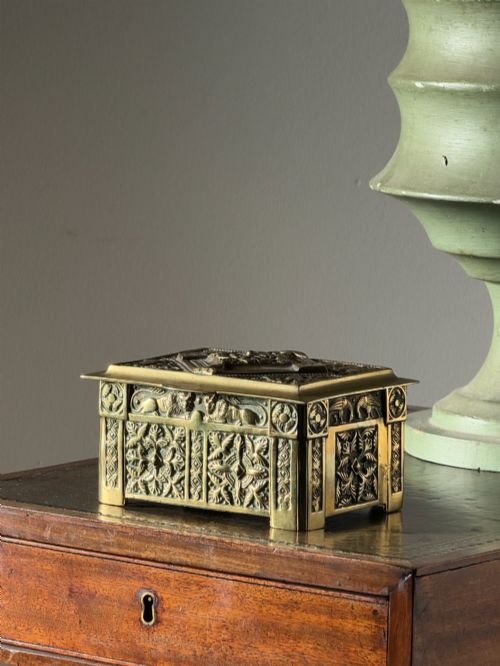
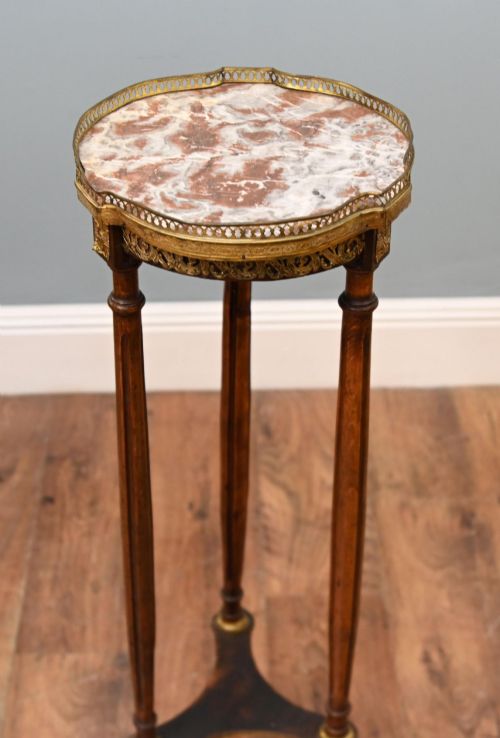
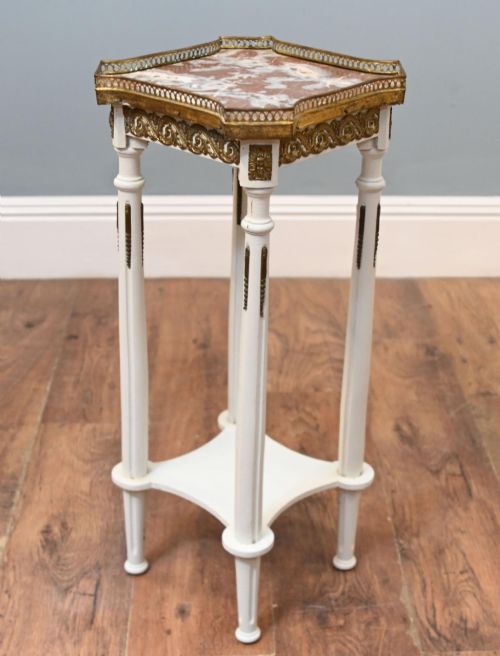
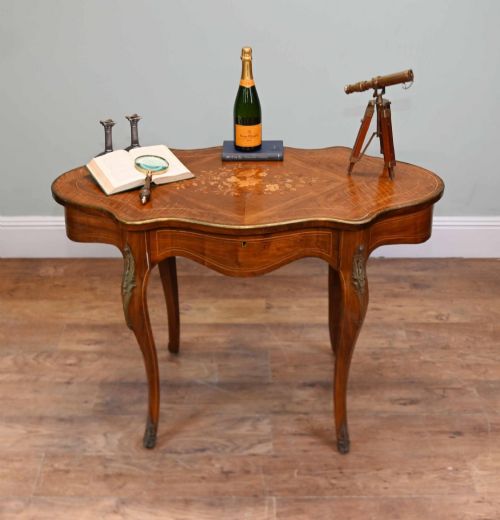
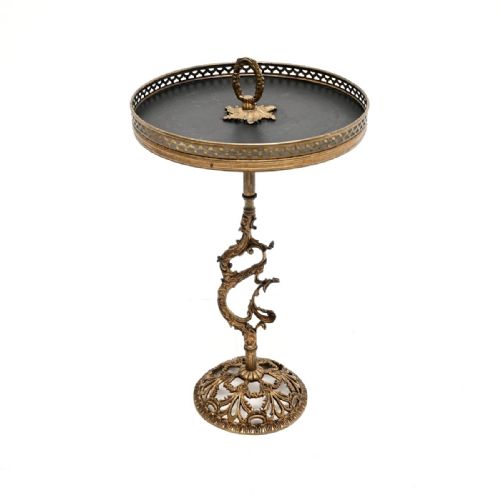
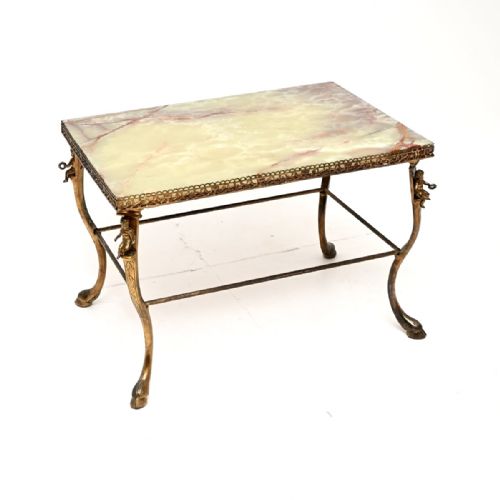
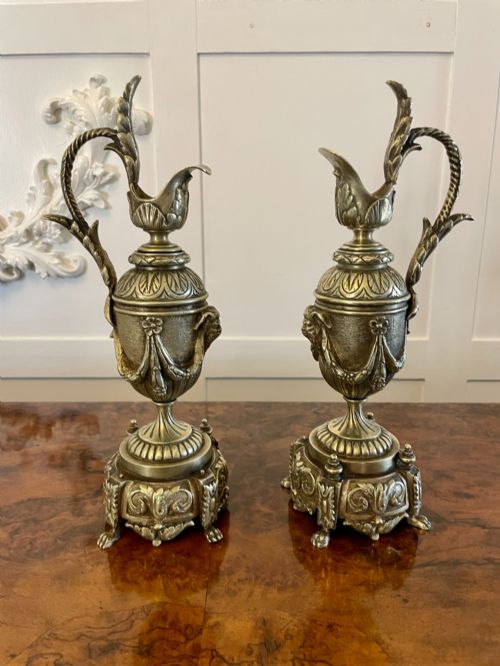
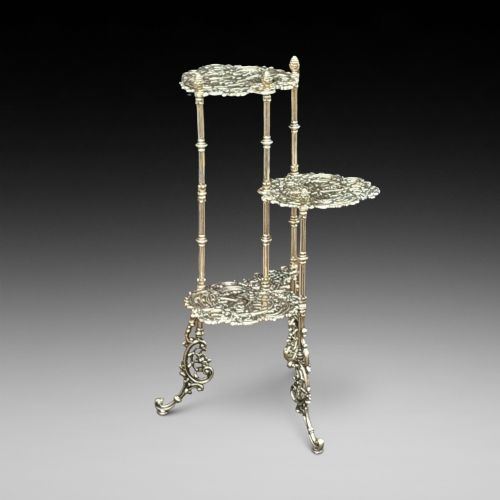
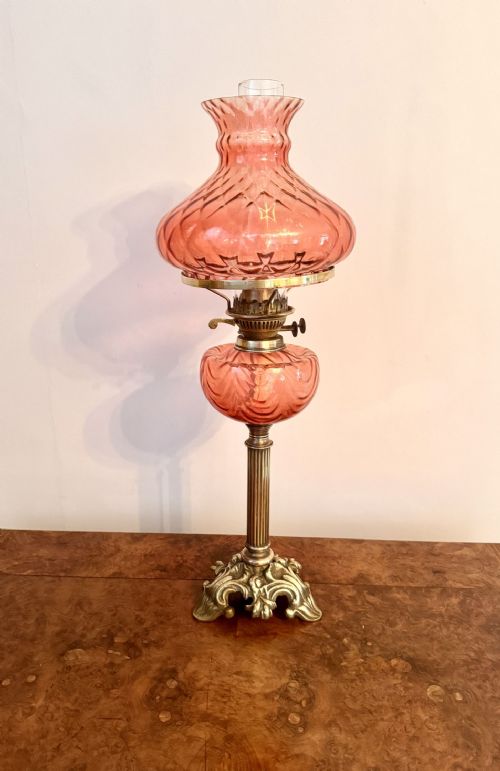
These ornate brass table items encompass nineteenth-century and early twentieth-century lamps, clocks, stands and mirrors designed to bring heavy metalwork and period lighting into domestic interiors.
Ornate Brass Table
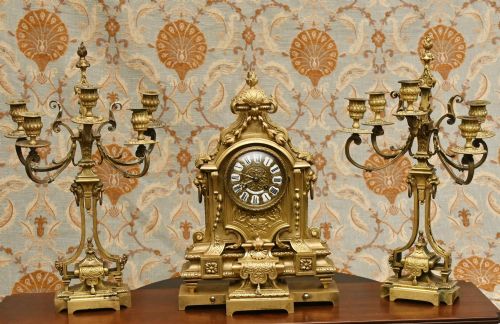
When searching for an ornate brass table item, a buyer encounters a diverse group of nineteenth-century and early twentieth-century objects that combine utilitarian function with elaborate decorative metalwork. The selections on this page span table lamps, oil lamps, mantel clocks, candelabra, stands, and mirrors originating from Victorian, Edwardian, and French revival workshops.
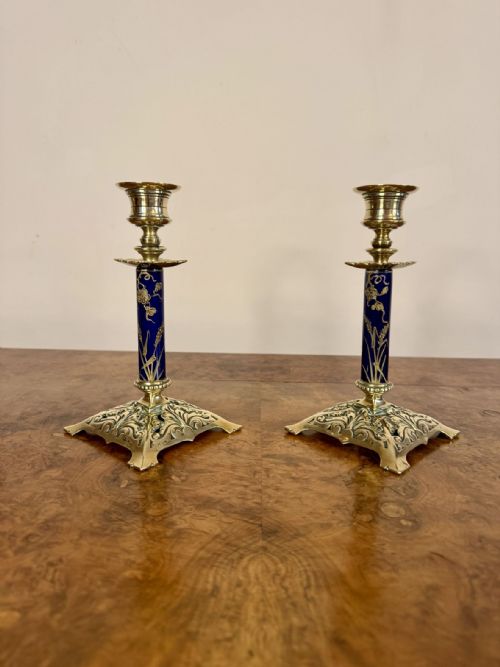
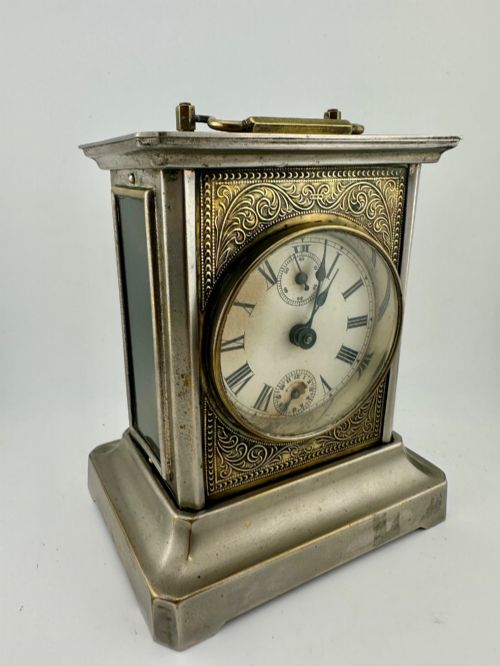
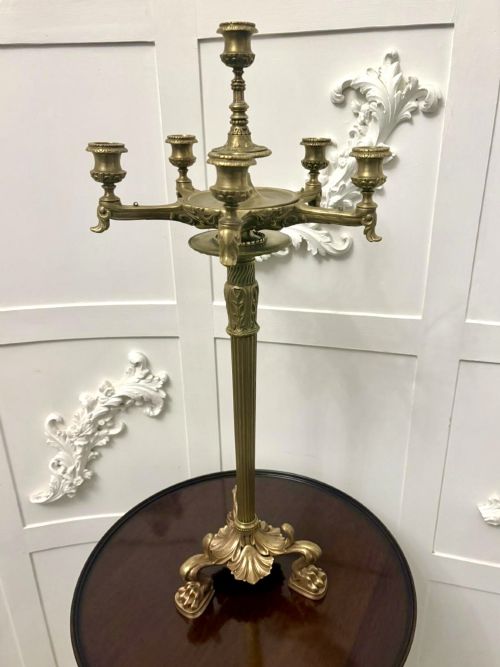
The most frequent examples appearing here are converted oil lamps, mantel clocks, and candelabra utilising brass, gilt bronze, or ormolu. These survivors from the Victorian and Edwardian eras demonstrate heavy casting and intricate chasing designed for prominent placement on side tables, mantels, and desks.
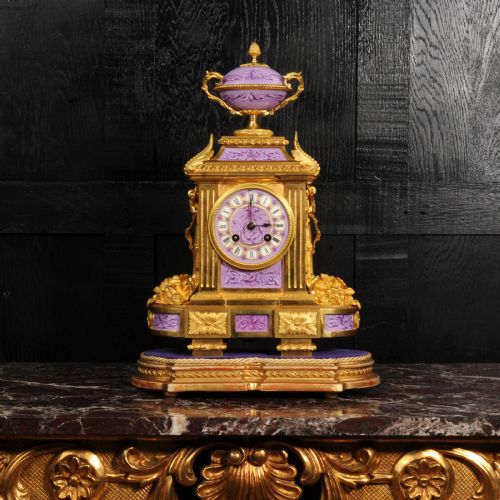
Many of these objects incorporate secondary materials such as cranberry glass, marble, onyx, champleve enamel, and porcelain panels. French Rococo, Louis XV, and Second Empire styles dominate the design vocabulary, showing scrollwork, floral motifs, and classical figures.
How they were made
The metalwork relies primarily on traditional sand casting and lost-wax techniques to produce heavy brass, gilt bronze, and ormolu components with deep relief. Artisans then chased the cooled metal surfaces by hand using punches and gravers to sharpen details like foliage, scrolls, and figures.
Gilding was applied via mercury amalgamation for ormolu or through early electroplating methods seen on later Victorian pieces. Combined elements like onyx bases, marble plinths, and glass fonts were fitted with threaded brass rods and secured with bolted fixings.
Ornate Brass Table Retail Price Guide 2026
Typical asking prices for ornate brass table among the pieces listed under this phrase on Sellingantiques today, from the lower quarter to the upper quarter. They describe what is for sale here now, not the wider market.
Some miniature carriage clocks are small enough to sit in the palm of a hand yet contain fully working mechanical escapements.
What varies in quality
The sharpness and depth of the hand-chasing on the brass or gilt surface dictate visual merit, distinguishing crisply rendered cast ornamentation from soft, shallow production. Superior examples retain their original fire gilding or heavy ormolu surface rather than wearing down to base brass through aggressive cleaning.
Integration of secondary materials drives quality differences, separating standard brass castings from pieces incorporating fine Sèvres porcelain, champleve enamel panels, flawless cranberry glass, and solid onyx or marble bases. Maker attribution through stamps or signatures also separates standard factory items from workshop pieces.
Achille Brocot·Samuel Marti·Wild And Wessel
The Ornate Brass Table Glossary
- Ormolu
- Gilded bronze produced through mercury amalgamation, creating a rich golden surface finish that resists tarnish. This technique was widely employed on French decorative items during the eighteenth and nineteenth centuries.
- Champleve
- An enamelling technique where troughs or cells are hollowed out of the metal surface and filled with vitreous enamel before firing. It frequently decorates nineteenth-century French clock cases and mirrors.
- Candelabrum
- A branched candlestick holding multiple candles or adapted later to hold electric lamp fittings. Examples on this page often feature four to six lights.
- Ewer
- A large jug with a wide spout traditionally used for water but adapted in the nineteenth century into decorative table lamps and garniture pieces. They frequently appear paired in Victorian metalwork.
- Jardiniere
- An ornamental stand or receptacle designed to hold plants and flowers indoors. These pieces utilise brass frames combined with ceramic or glass liners.
Ornate Brass Table: Frequently Asked Questions
What is an ornate brass table lamp?
These items are typically nineteenth-century oil lamps or candelabra converted to accept modern electrical wiring and lamp bulbs. They retain their original cast brass or gilt bronze reservoirs and decorative bases.
Buyers place them on side tables or desks to serve as primary or accent lighting while displaying period metalwork and glass components.
How do I identify French revival styles?
French revival pieces from the nineteenth century display characteristic Rococo or Louis XV motifs such as asymmetrical scrollwork, acanthus leaves, and naturalistic floral details. They often incorporate gilt bronze, champleve enamel, or inset porcelain panels.
Makers such as Samuel Marti and Achille Brocot stamped their movements, helping to confirm origin and date.
Were these pieces originally electric?
Almost none of these objects were manufactured for electricity because they predate domestic electrical supply. Most started life as oil lamps, candleholders, or mechanical clocks.
Conversion to electricity usually occurred later in the twentieth century to allow safe daily use in modern homes.
How do I care for antique brass?
Antique brass requires minimal intervention to preserve its historic surface and patination. Dusting with a soft dry cloth prevents dirt accumulation.
Avoid abrasive metal polishes that strip away original lacquer, gilding, or ormolu finishes.