



Ornate Brass Side Table
An ornate brass side table brings metallic warmth and intricate surface pattern into a room through Victorian, Edwardian and twentieth-century designs.
Ornate Brass Side Table
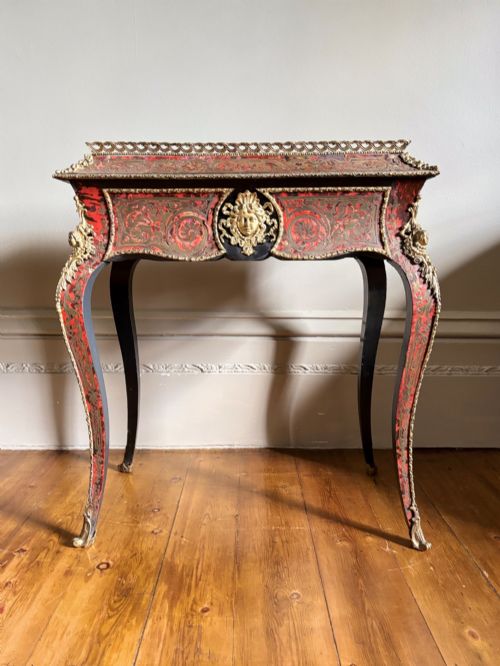
When you search for an ornate brass side table, you encounter compact occasional furniture and stands designed for domestic display. These pieces range from Victorian and Edwardian occasional tables to jardiniere stands and pedestal forms.
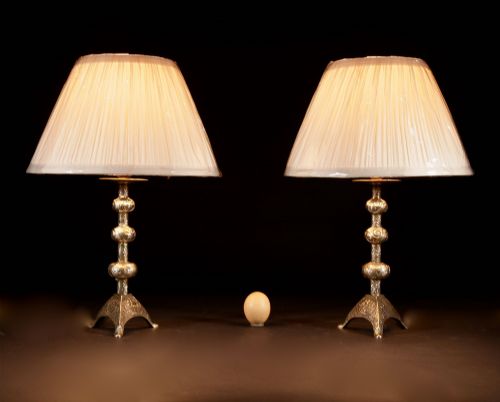
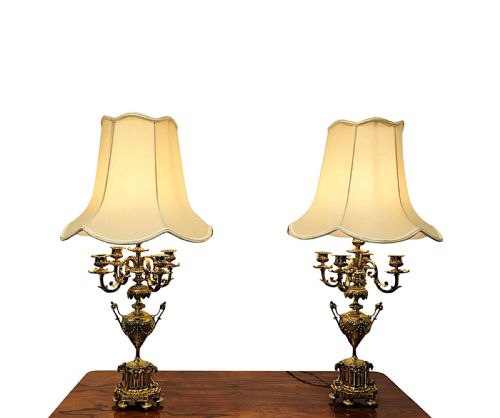
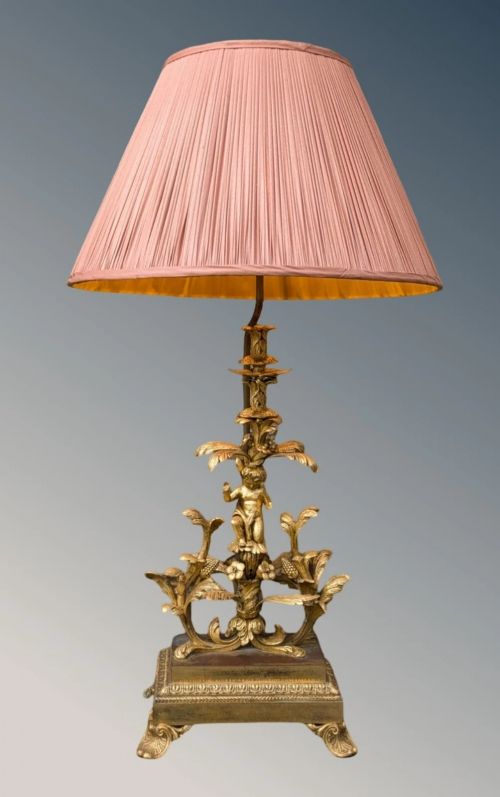
The selection on this page centres on nineteenth and early twentieth-century examples, incorporating related brass lighting and display pieces alongside tables. Materials such as marble, onyx, mahogany and glass frequently accompany the brass framework.
How they were made
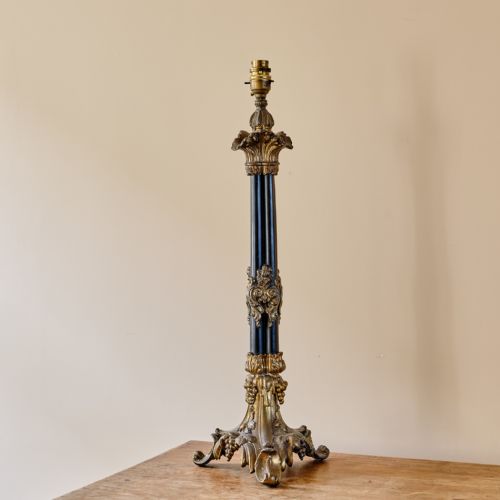
Maker workshops utilised brass, gilt bronze and ormolu, shaping the metal through casting, repoussé and pressed techniques to achieve detailed surface relief. Frames combine these metallic elements with structural timbers including mahogany, ebonised wood and rosewood.
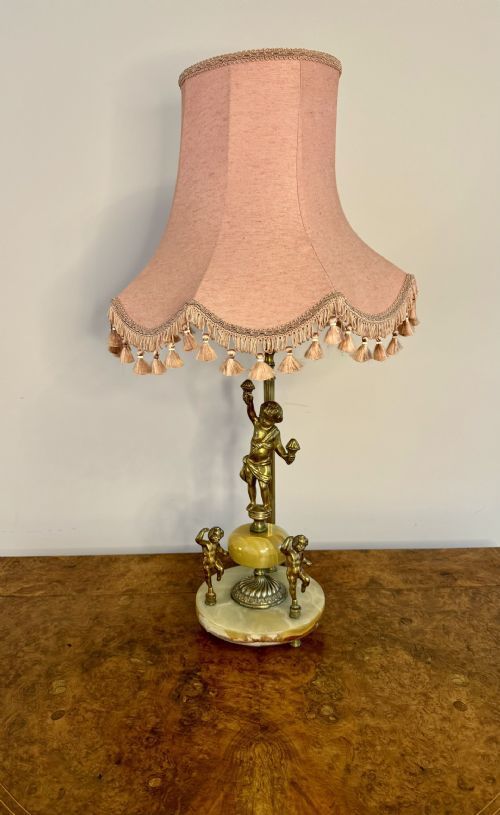
Inlaid stone panels, marble inserts and onyx tiers add weight and colour contrast to the metal frames. Crystal drops, fabric shades and glass panels complete the composition of related lamp bases and stands.
Some nineteenth-century candelabra found a second life as table lamps when polite society swapped candles for electricity.
What varies in quality
Quality rests in the crispness of the metal chasing and the depth of relief work across the brass or gilt bronze surfaces. Heavy cast mounts and substantial stone tiers separate finer production from lighter pressed alternatives.
The integration of secondary materials, such as finely figured rosewood or carefully fitted marble tops, indicates the original tier of manufacture. Well-preserved gilding and intact patination distinguish superior survivors.
The Ornate Brass Side Table Glossary
- Repoussé
- Metalwork technique where the metal is hammered from the reverse side to form a raised design in relief. This method creates tactile surface patterns on brass frames and lamp bases.
- Ormolu
- Gilded bronze detailing applied to furniture mounts and decorative objects during the nineteenth century. The technique imparts a rich golden finish to cast metal elements.
- Jardiniere stand
- A tall piece of furniture designed to hold a plant container or decorative bowl. These stands frequently incorporate brass, onyx and marble materials.
- Parquetry
- Geometric wood inlay work seen on table tops and cabinet surfaces. It uses contrasting timber veneers to form repeating patterns.
- Spelter
- A zinc alloy used as a substitute for bronze in decorative figures and lamp bases. It takes plating and patination to resemble more costly metals.
Ornate Brass Side Table: Frequently Asked Questions
What is an ornate brass side table?
An ornate brass side table is a compact piece of nineteenth or early twentieth-century furniture featuring decorative metalwork, often combined with marble or wood.
These tables serve as occasional furniture, plant stands or lamp tables within traditional and eclectic interiors.
How do I date a brass table?
Dating relies on stylistic markers such as Victorian revival patterns, Edwardian metalwork details and twentieth-century manufacturing techniques.
Materials like onyx, specific wood veneers and cast versus pressed brass construction also help narrow the period of origin.
Where were these tables used?
These pieces function primarily as drawing room or parlour furniture for holding lamps, clocks or decorative plants.
Their compact proportions allow them to fit beside seating or within corners and hallways.
How do I care for brass and marble?
Brass surfaces benefit from gentle dusting and occasional cleaning with appropriate metal care products to preserve the patination.
Marble and onyx tops require soft cloths and avoidance of acidic substances to protect the polished stone surface.