



Ornate Bedside Lamps
Ornate bedside lamps bring dramatic historic presence to a bedroom, combining rich metalwork and decorative detail from the nineteenth and early twentieth centuries.
Ornate Bedside Lamps
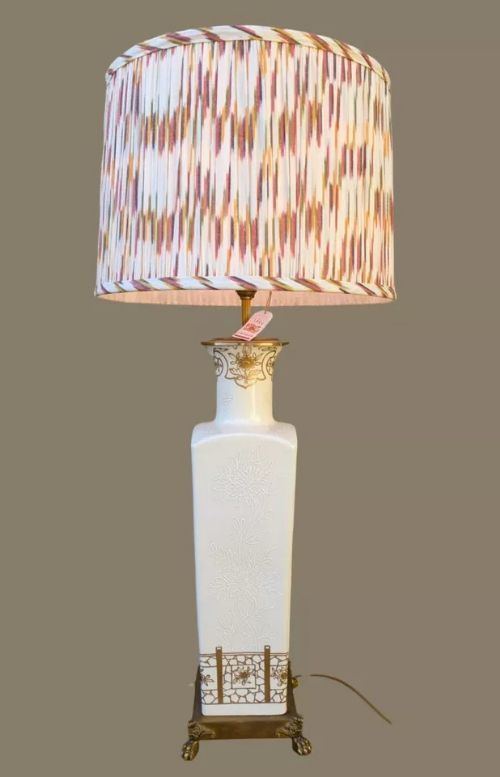
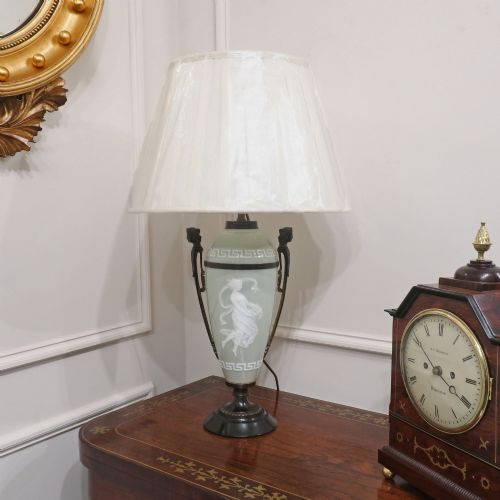
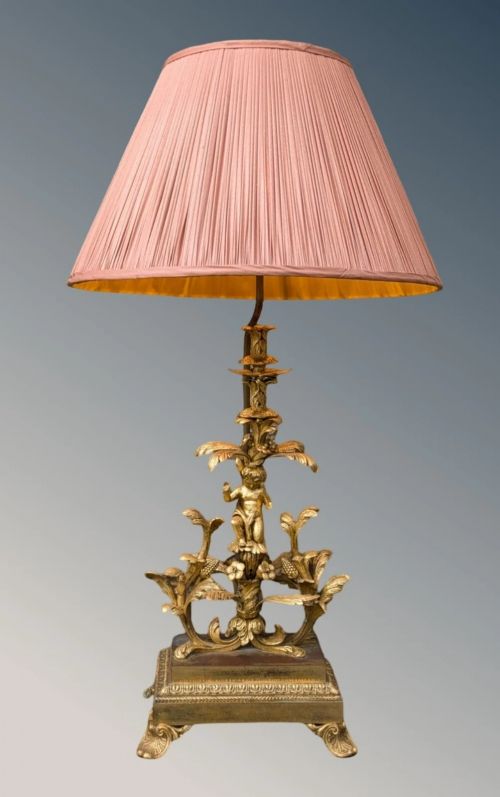
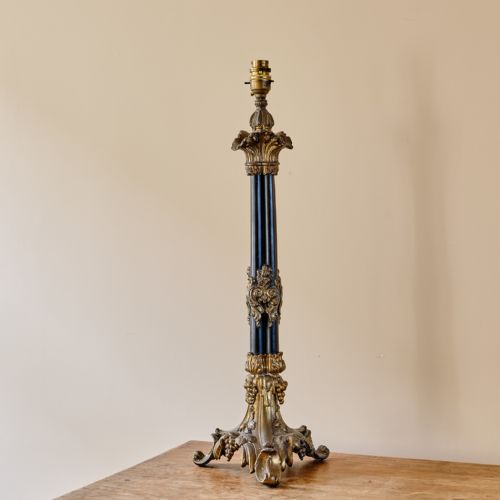
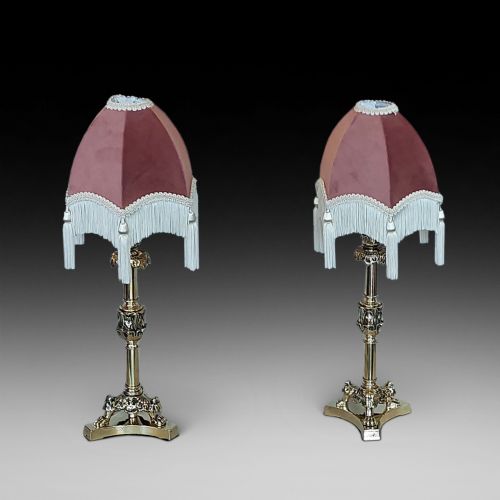
These ornate bedside lamps span table lamps, converted candlesticks, and oil lamps derived from nineteenth-century and early twentieth-century periods. You will regularly encounter French, Kashmiri, and Victorian designs showing heavy stylistic influences from the neoclassical, rococo, and romanesque revivals.
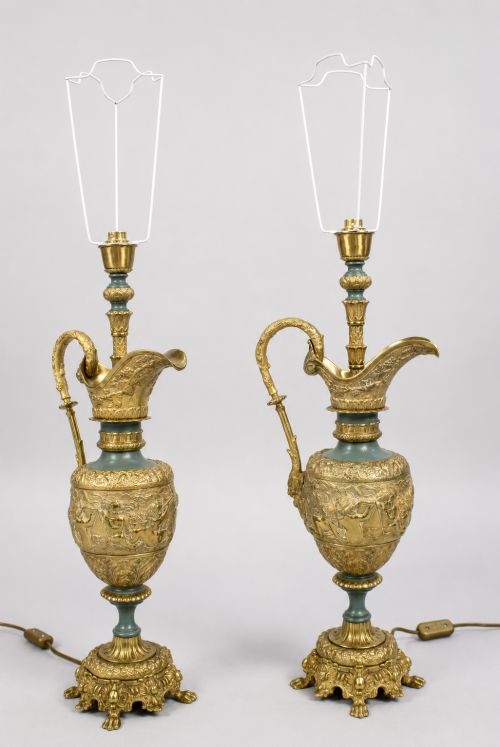
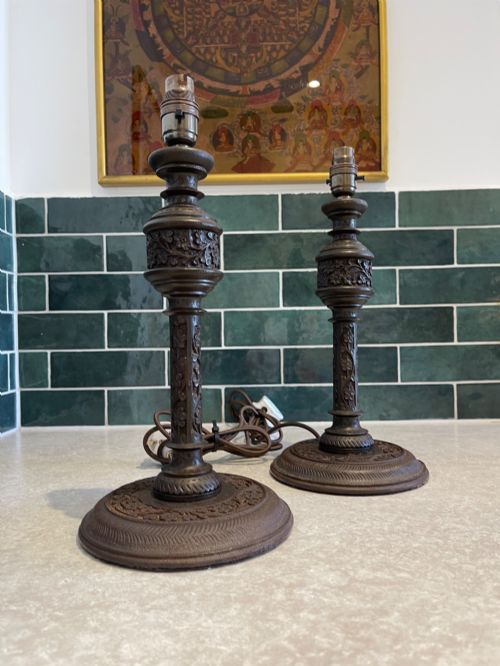
The forms on this page rely heavily on cast metals, turned wood, and hand-painted surfaces to create elaborate profiles suitable for intimate spaces. Many examples utilise converted candlesticks or ewer forms to achieve their height and decorative weight.
How they were made
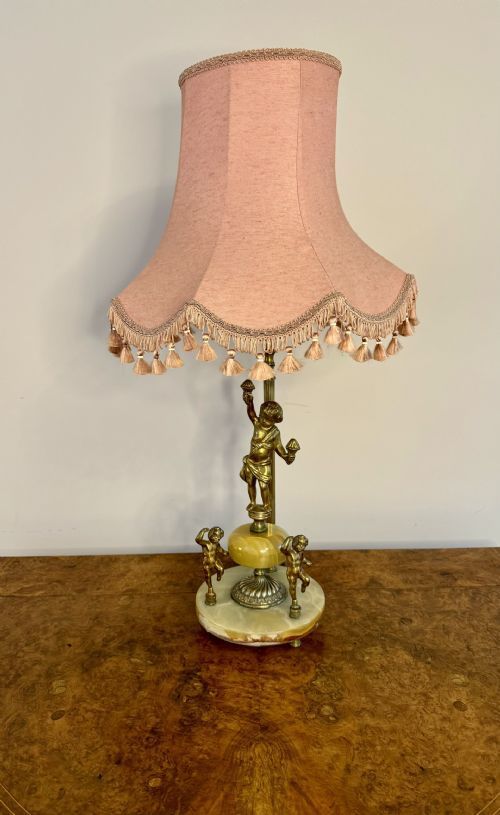
Makers utilised cast brass, gilt bronze, spelter, and ormolu as structural and decorative metals, frequently mounting them onto heavy bases of marble or onyx. These metal components were often chased, gilded, or painted by hand to create layered reflective surfaces.
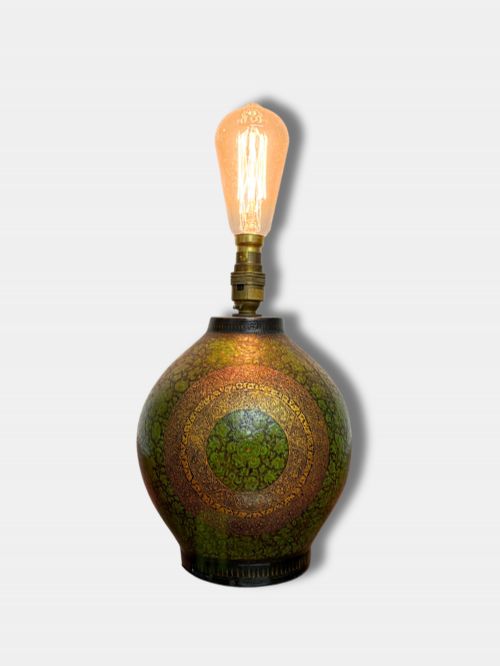
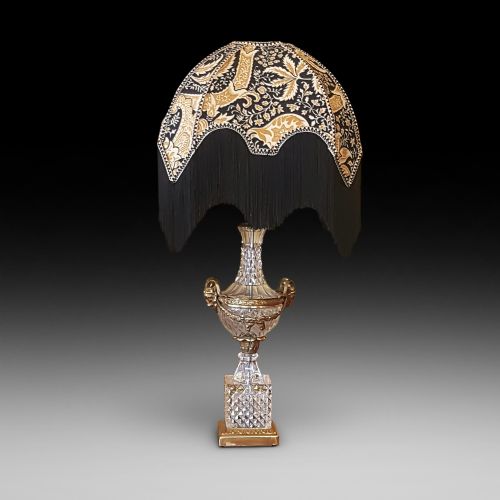
Selected pieces incorporate glass, opaline glass, and pate sur pate porcelain elements alongside traditional fabric and silk shades. Wood elements appear as carved giltwood or lacquered bodies, particularly within Kashmiri and Anglo-Indian variants.
Ornate Bedside Lamps Retail Price Guide 2026
Typical asking prices for ornate bedside lamps among the pieces listed under this phrase on Sellingantiques today, from the lower quarter to the upper quarter. They describe what is for sale here now, not the wider market.
Several lamps double as ewers, proving that a jug in the nineteenth century had serious ambitions of becoming a bedside companion.
What varies in quality
The distinction between standard production and exceptional craftsmanship lies in the crispness of the metal chasing and the depth of the gilding. High-quality pieces display sharp, clean casting details on bronze and brass mounts rather than soft, smoothed edges.
Material integration also dictates quality, particularly where marble bases, porcelain inserts, and glass bodies meet the metal mountings. Superior examples demonstrate precise fitting and substantial weight without relying on excessive surface lacquer to mask weak construction.
The Ornate Bedside Lamps Glossary
- Ormolu
- A technique of applying finely ground high-carat gold to a bronze object using a mercury amalgamation process. This finish gives historic French pieces their distinct deep yellow lustre.
- Pate sur pate
- A ceramic decorating method where successive layers of white porcelain slip are painted onto a coloured clay body to create a low-relief cameo effect.
- Spelter
- An alloy of zinc and lead used as a cheaper alternative to bronze for decorative castings. It accepts patination and gilding well but remains softer and lighter than true bronze.
- Opaline glass
- An opaque or translucent glass popular during the nineteenth century, often tinted in pale colours and utilised for decorative lamp bodies.
- Ewer
- A large jug with a wide spout traditionally used for water, adapted in these listings into the sculptural body of a table lamp.
Ornate Bedside Lamps: Frequently Asked Questions
Are these lamps converted from old candlesticks?
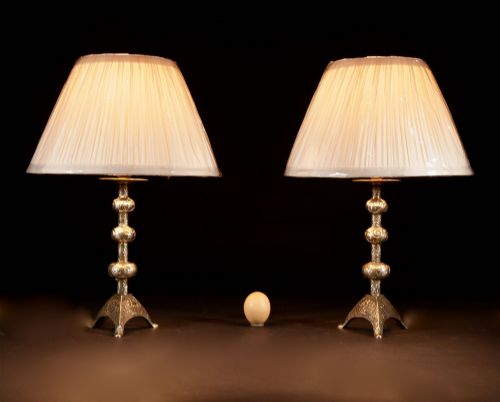
Several pieces originate as nineteenth-century brass or giltwood candlesticks that have been adapted to run on electricity. This conversion process usually involves running a cord through the centre without altering the historic exterior.
Such adaptation allows historic lighting forms to function safely on modern bedside tables while retaining their original patination and cast metal details.
How do I identify French neoclassical styles?
French neoclassical designs draw inspiration from classical Greek and Roman motifs, showing balanced proportions, fluted columns, and restrained foliate casting. Look for symmetry and architectural elements such as Corinthian capitals.
These pieces often combine gilt bronze or brass with marble bases, separating them from the more exuberant curves found in rococo revival lamps.
What is Kashmiri hand-painted lighting?
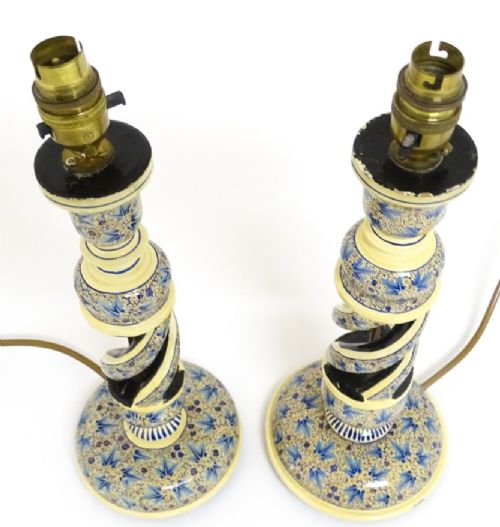
Kashmiri pieces feature distinctive hand-painted wooden bodies finished in green, gold, and multi-coloured lacquer work. These items introduce regional Indian craftsmanship into domestic European lighting formats from the early twentieth century.
The detailed surface painting distinguishes them from standard cast metal lamps of the same period, offering a softer textural element to a bedroom.
How do I care for gilt metal and bronze?
Gilt metal and bronze require gentle dusting with a dry microfibre cloth to prevent dust accumulation in the recessed chasings. Avoid chemical polishes, as abrasive cleaners will strip away historic gold leaf or patination.
Maintaining a stable indoor humidity level protects both the metal components and any integrated wooden or marble elements from cracking.