

Ornate Table
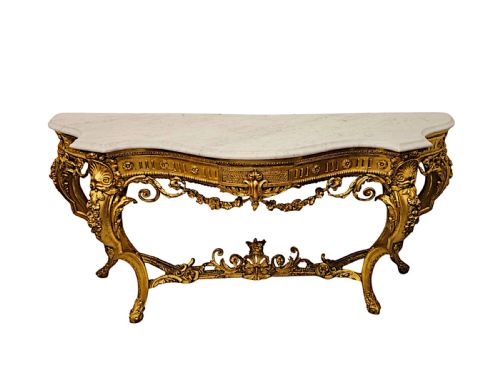
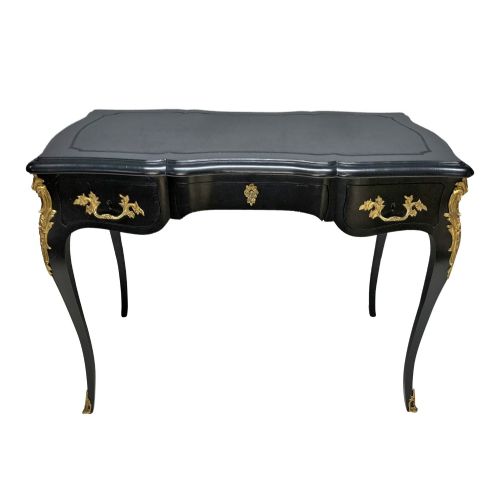
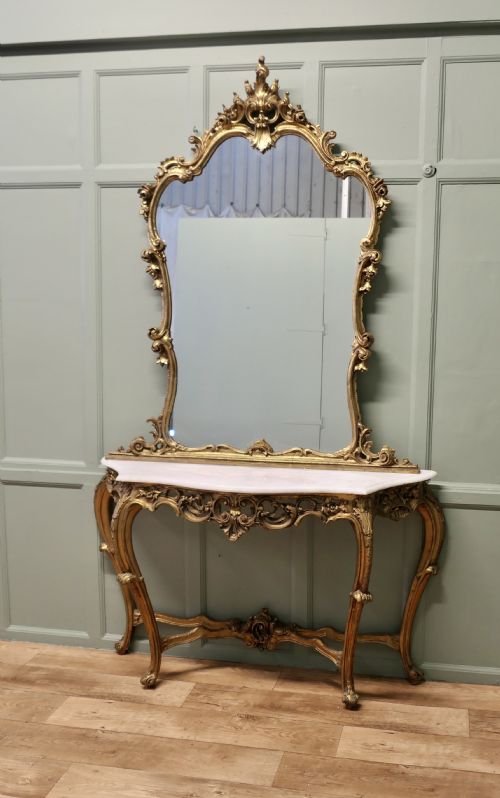
An ornate antique table brings heavy gilding, carved wood and marble into a room with the confidence of the nineteenth century.
Ornate Table
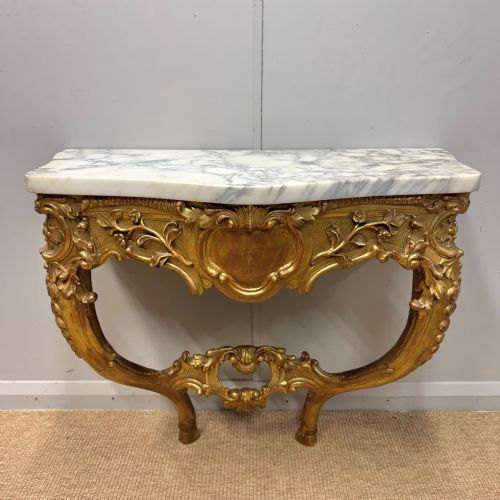
An ornate antique table covers console tables, side tables, and centre tables originating mainly from the nineteenth century alongside eighteenth-century examples. Console tables and centre tables dominate this selection, frequently carrying heavy marble tops and elaborate giltwood frames.
Makers drew heavily on French taste, producing pieces in Louis XV revival, Rococo revival, and neoclassical styles. These tables served grand reception rooms, functioning as focal points for display rather than utility.
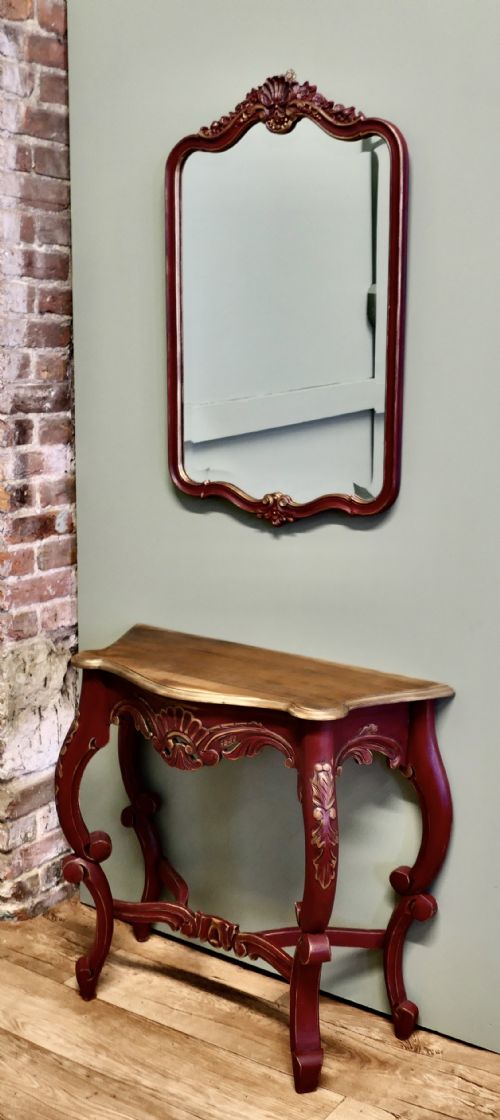
Proportions range from long, low coffee tables to tall console bases paired with matching mirrors. Walnut and mahogany form the structural carcass of wooden examples, whilst gilt bronze and ormolu provide metallic enrichment.
Materials and construction
Carved giltwood and walnut provide the primary structural framework for wooden tables, shaped by hand with intricate floral and scroll motifs. Marquetry inlay appears across tabletops, employing contrasting timbers to create geometric and pictorial patterns.
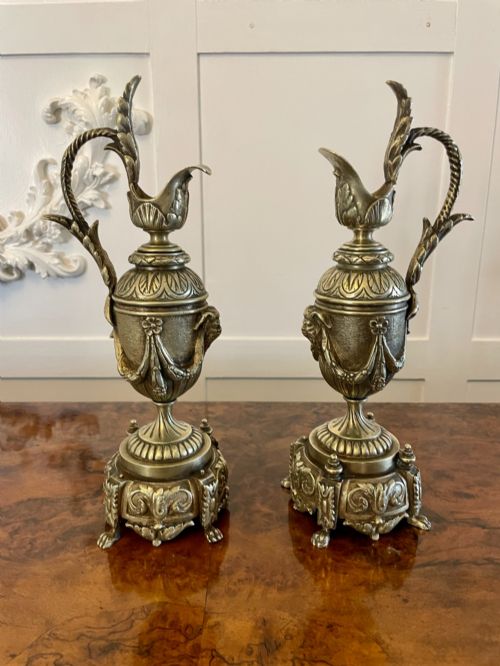
Ormolu and gilt bronze enrich metal components, cast and chased before being fire-gilded to achieve a bright, durable surface. Marble slabs, including rouge and white varieties, sit unattached upon heavy console bases.
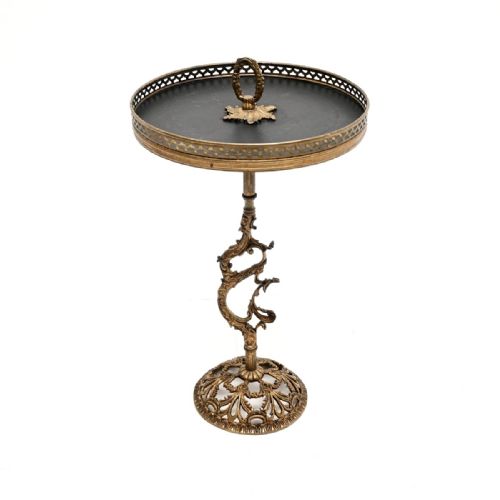
Glass, brass, and leather combine in smaller side and lamp tables, where structural brass framing supports inset leather writing surfaces or polished bevelled glass plates.
Ornate Table Retail Price Guide 2026
Typical asking prices for ornate table among the pieces listed under this phrase on Sellingantiques today, from the lower quarter to the upper quarter. They describe what is for sale here now, not the wider market.
Among the heavy marble and giltwood stands, a cast-iron garden table named The Rotherham waits alongside its four matching chairs.
What separates the best from the rest
Depth and crispness of hand-carving distinguish superior giltwood and walnut frames from simpler, mechanised work. Sharp undercut foliage and clean lines indicate a skilled hand at the bench.
The quality of ormolu channelling and fire-gilding dictates the finish of metal mounts, where genuine mercury gilding retains a deep lustre lacking in later electroplated replacements.
Thickness and figuring of marble tops, alongside the tightness of marquetry joints, separate ambitious salon furniture from standard domestic production.
Felix-Alfred Ternisien·Achille Brocot·Samuel Marti·William Comyns
The Ornate Table Glossary
- Giltwood
- Wood that has been coated with a thin layer of gold leaf or powder. This finish appears frequently on nineteenth-century console frames and mirrors.
- Ormolu
- Finely chased and gilt bronze used for decorative mounts and decorative objects. The technique involves applying an amalgam of gold and mercury to bronze before heating.
- Marquetry
- The art of applying pieces of veneer to a structure to form decorative patterns. Craftsmen utilised various coloured woods to achieve pictorial depth.
- Console table
- A table designed to be fixed against a wall, frequently supported by two front legs and secured with brackets. These often feature elaborate carved bases.
- Serpentine front
- A furniture front characterised by a double-curved contour, swelling outward in the centre and receding at the sides. This shape demands precise cabinetmaking.
Ornate Table: Frequently Asked Questions
Where do I place an ornate antique table?
Console tables suit entrance halls or living room walls, frequently placed beneath matching mirrors. Centre tables stand best in open spaces where light catches their carved walnut surfaces.
Smaller side and lamp tables fit beside seating arrangements, holding small lamps or decorative items without dominating the room's proportions.
What styles dominate these tables?
French revival styles dominate the selection, referencing the reigns of Louis XV with asymmetrical scrolls and floral motifs. Neoclassical and Rococo revival pieces also appear frequently.
These designs reflect nineteenth-century enthusiasm for historical European aesthetics, interpreted through British and continental cabinetmaking.
How do I distinguish eighteenth and nineteenth-century pieces?
Eighteenth-century examples display construction methods appropriate to the period, including hand-cut joinery and aged timber patination. Nineteenth-century pieces often reproduce these earlier styles with distinct Victorian or Edwardian interpretations.
Examination of the underside and structural joints reveals the age of the timber and the tools used during construction.