







Ornamental Planters
Ornamental planters bridge house and garden, offering sculptural weight and a home for greenery through cast iron, ceramic, and stone forms.
Ornamental Planters
When you search for ornamental planters, you encounter vessels designed to hold plants while adding architectural interest to a terrace, room, or garden. The selection ranges from robust campana garden urns to delicate indoor jardiniere vessels.
You are most likely to meet Victorian cast iron examples and nineteenth-century ceramic pieces on this page. These forms often reflect styles such as Classical Revival, Gothic Revival, and Chinoiserie.
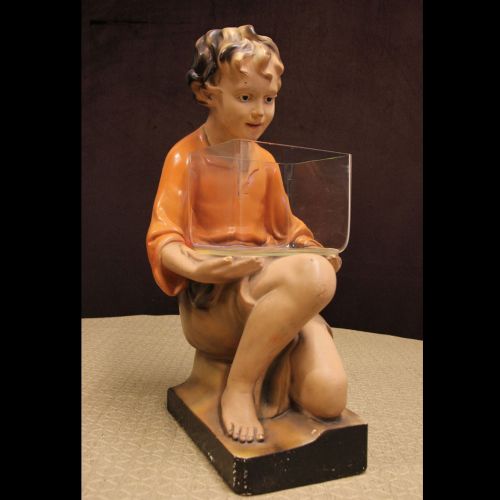
Makers utilised various object types including garden urns, wine coolers, and decorative sculpture to suit both domestic interiors and grand country house grounds. Each piece serves as a vessel where utility meets decorative sculpture.
How they were made
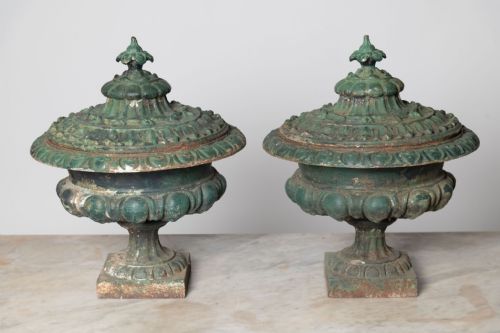
Metal vessels on this page rely on foundry techniques, with cast iron and brass formed into sturdy campana shapes and detailed wine coolers. Gilt bronze and ormolu add fine metallic highlights to specific interior pieces.
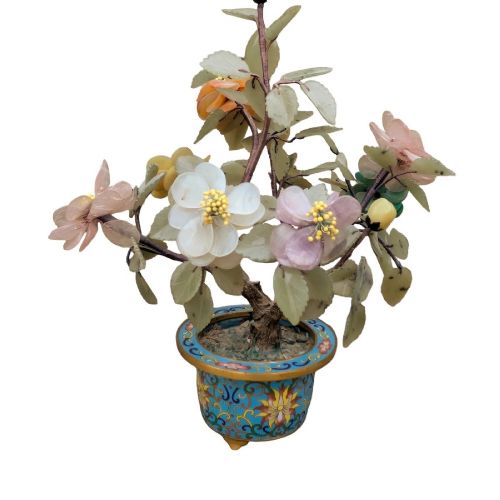
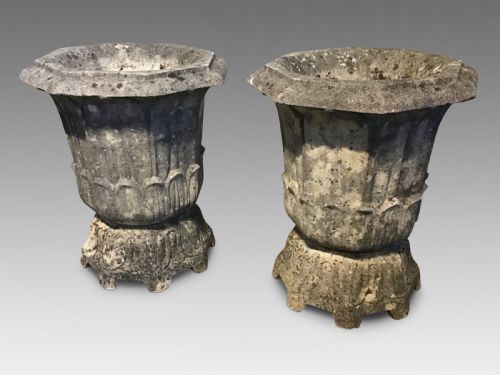
Ceramic and stone versions utilise hand painting, carved details, and cast stone or reconstituted stone bodies. Artisans shaped terracotta with carved heads on handles and decorated porcelain surfaces by hand.
Ornamental Planters Retail Price Guide 2026
Typical asking prices for ornamental planters among the pieces listed under this phrase on Sellingantiques today, from the lower quarter to the upper quarter. They describe what is for sale here now, not the wider market.
Materials represented across the inventory include cast iron, brass, hardstone, porcelain, terracotta, and reconstituted stone.
What varies in quality
Quality in these planters rests upon the crispness of the casting and the depth of the hand painting on ceramic surfaces. Heavy cast iron examples show superior definition in their handles and rims compared to softer, later castings.
The choice of material dictates the character of the piece, from the solid presence of natural hardstone and cast stone to the refined detail of nineteenth-century French porcelain. Surviving original elements, such as lids on antique urns, elevate the integrity of the object.
Andrew Handyside
The Ornamental Planters Glossary
- Jardiniere
- An ornamental pot or stand for plants or flowers. These vessels sit indoors or on covered terraces.
- Campana
- A bell-shaped garden urn popular in classical and nineteenth-century design. This profile tapers gracefully from a wide rim to a narrow foot.
- Cloisonne
- Enamelling technique where thin metal strips form compartments on a metallic base. Artisans fill these cells with coloured glass paste before firing.
- Ormolu
- Finely ground high-carat gold-mercury amalgam applied to a bronze object. This decorative coating provides a rich, durable golden finish on French pieces.
- Terracotta
- Unglazed or glazed fired clay used for garden pots and sculptural ornaments. This porous material weathers distinctively over decades outdoors.
Ornamental Planters: Frequently Asked Questions
What is a jardiniere?
A jardiniere is a decorative receptacle designed to hold potted plants or cut flowers. These vessels appear in ceramic, brass, and porcelain.
They function primarily as ornamental objects for interior rooms or conservatory spaces rather than heavy-duty garden planting.
Can cast iron planters stay outside?
Cast iron planters handle outdoor environments well due to their heavy metallic construction and durable foundry origins. Many Victorian examples spent generations exposed to garden weather.
Protecting them involves monitoring for moisture accumulation and ensuring proper drainage during freezing winter conditions.
How do I date an antique urn?
Dating relies on examining the casting technique, material composition, and decorative style markers such as classical revival motifs. Nineteenth-century pieces often display specific foundry marks or distinct patination.
Comparing the handling of handles, rims, and base construction against known period examples helps narrow the decade.
Were wine coolers used as planters?
Metal vessels originally manufactured as wine coolers frequently double as planters due to their waterproof metallic linings. Eighteenth-century brass and Dutch pieces often transitioned between dining and decorative plant display.
Their generous proportions and watertight construction suit both functions equally.