

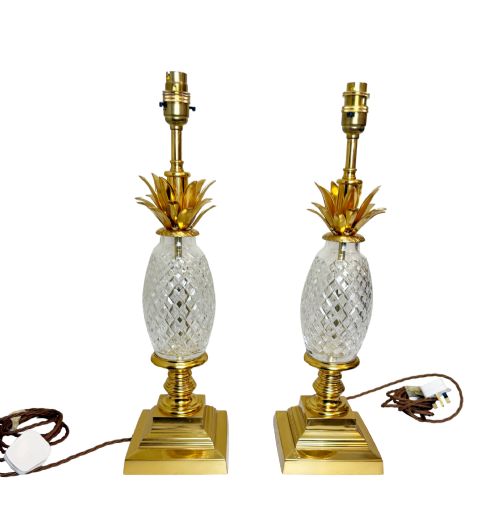
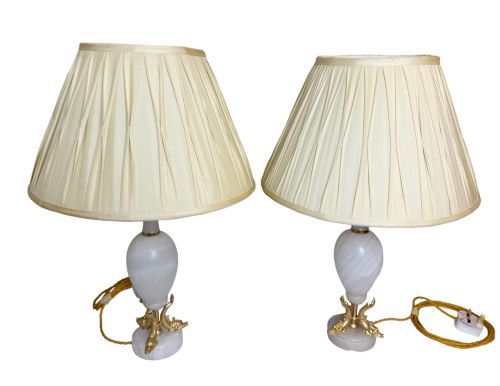
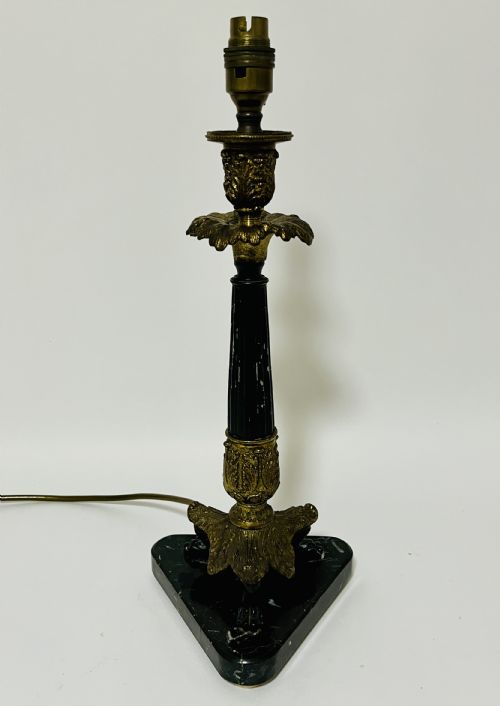

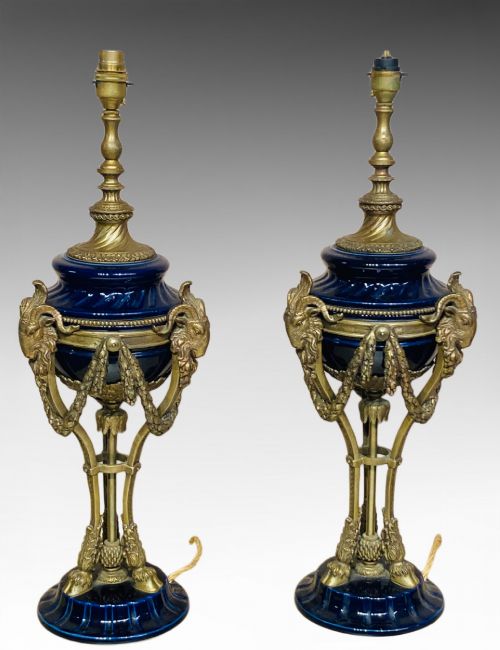


Ormolu Table Base
An ormolu table base supports heavy marble and glass surfaces with gleaming, gilded metal cast in French styles.
Ormolu Table Base
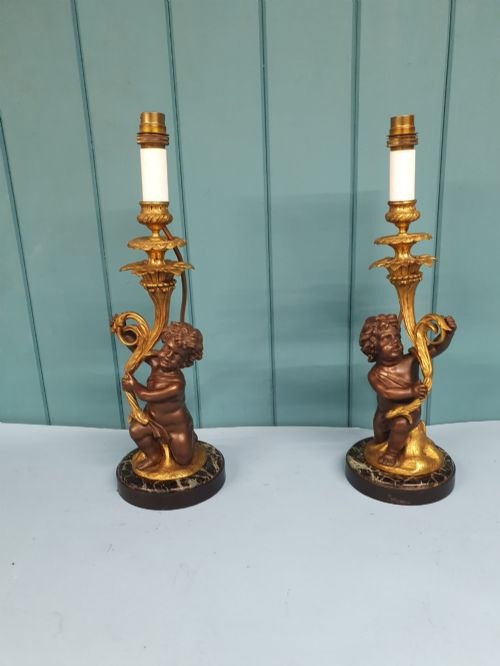
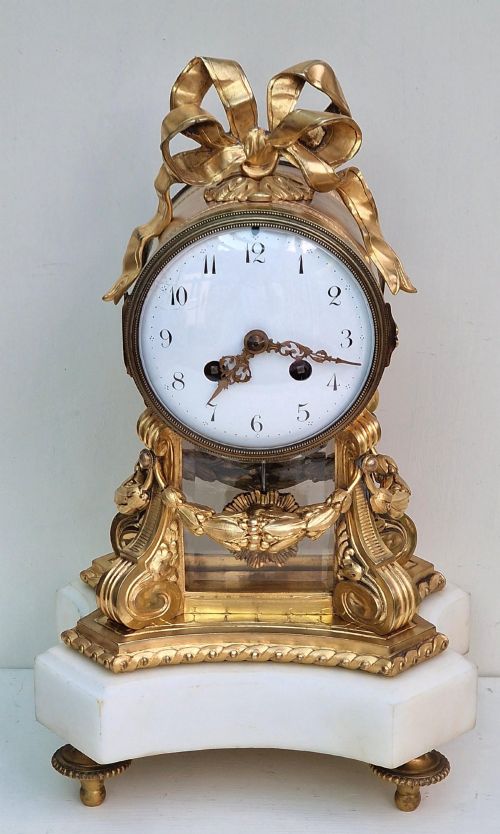
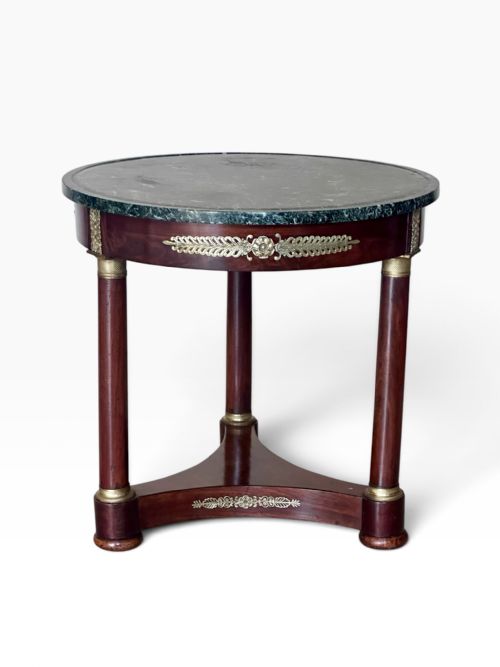
When you search for an ormolu table base, you are looking at substantial metalwork foundations, gueridons, and side tables that incorporate mercury-gilded bronze components. The examples meeting you on this page originate primarily from the nineteenth century, spanning French Empire, Regency, and Louis XVI styles.
These structural elements often appear beneath circular marble tops or form the ornate pillars of grand centre tables. Makers integrated cast bronze mounts into furnishings to project classical symmetry and lavish continental taste.
The form relies on the contrast between polished metallic gold tones and dark patinated bronze or white marble. These pieces serve as the architectural core for display surfaces in formal reception rooms.
How they were made
Craftsmen used lost-wax casting methods to shape molten bronze into intricate floral motifs, cherubs, and classical drapery. Artisans then applied a gold amalgam to the bronze surface before heating it to vaporise the mercury, leaving a permanent gilded layer known as ormolu.
Makers combined these metallic mounts with white and coloured marble columns, turning stone on lathes and fitting precise brass collars. Structural joints relied on threaded iron rods and heavy pins to secure the dense stone and metal components together.
Ormolu Table Base Retail Price Guide 2026
Typical asking prices for ormolu table base among the pieces listed under this phrase on Sellingantiques today, from the lower quarter to the upper quarter. They describe what is for sale here now, not the wider market.
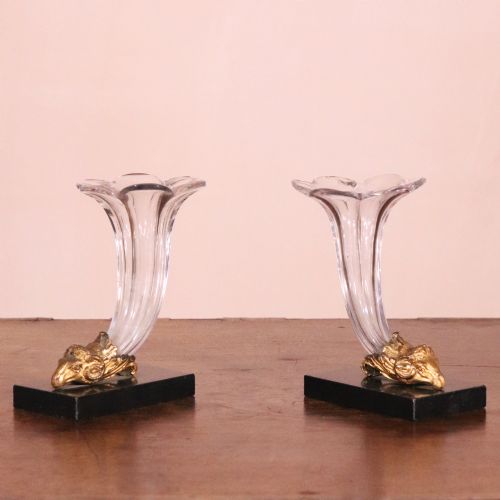
Listings feature nineteenth-century French Empire, Regency, and Louis XVI styles executed in gilt bronze, marble, and ormolu.
What varies in quality
The precision of the chasing separates standard cast metalwork from superior examples. Skilled artisans hand-tooled the cooled bronze with chisels and punches to sharpen feather details, hair strands, and acanthus leaves before gilding.
The crispness of the mercury gilding and the depth of its matte and polished contrasts dictate visual success. Weight distribution and the density of the underlying bronze also mark the distinction between commercial production and high workshop standards.
Le Roy Paris·William Hardy London
The Ormolu Table Base Glossary
- Ormolu
- Finely chopped gold amalgamated with mercury and applied to bronze. This historical technique produces a deep, durable metallic lustre.
- Gueridon
- A small circular table supported by a central column or figural pedestal. These pieces frequently employ heavy marble tops.
- Chasing
- The manual tooling of cast metal with punches and hammers. This process restores crisp surface detail after the casting stage.
- Patinated Bronze
- Darkened or chemically treated bronze showing natural tones rather than bright gilding. It provides tonal contrast against ormolu mounts.
- Louis XVI Style
- A neoclassical design vocabulary characterised by straight lines, symmetry, and classical motifs. It heavily influences nineteenth-century French metalwork.
Ormolu Table Base: Frequently Asked Questions
How do I clean ormolu?
Dust the surface gently with a soft dry brush to remove particles without scratching the thin gold layer. Avoid abrasive commercial metal polishes entirely, as they strip the historic mercury gilding.
For stubborn grime, wipe the metal lightly with a damp cloth and dry immediately with lint-free cotton. Moisture left in crevices will dull the bronze beneath.
What periods are these from?
The pieces span the nineteenth and early twentieth centuries, capturing major revivals of classical design. You will encounter nineteenth-century Regency and Victorian interpretations alongside French Empire and Louis XVI styles.
Dates cluster heavily around the eighteen-hundreds through nineteen-twenties, reflecting sustained demand for ornate continental metalwork.
How were they used originally?
These metal bases anchored display tables, torcheres, and heavy marble surfaces in wealthy drawing rooms. They elevated practical furniture into sculptural art.
Many incorporated candelabra or oil lamp fittings to illuminate formal interior spaces. The substantial weight provided stability for heavy lighting fixtures and decorative urns.
Are marble tops original?
Many tables retain their original fitted white or coloured marble slabs, shaped specifically to match the metal aprons. Inspect the underside of the stone for matching manufacturing markings and seating grooves.
Replacements do occur due to historical breakages, though skilled dealers note when a top has been associated later.
How do I style them now?
Pair a classical ormolu base with a clean, modern glass or stone top to let the metalwork command attention. Position the piece where natural light catches the contrasting gilded surfaces.
Keep surrounding decor restrained to highlight the sculptural qualities of the nineteenth-century casting.