

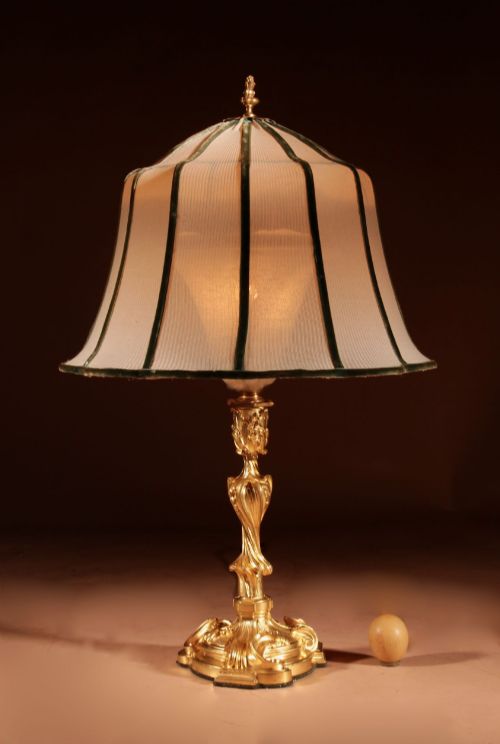
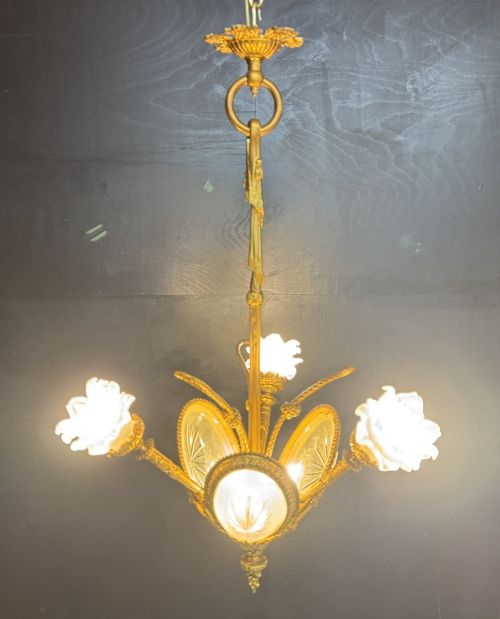
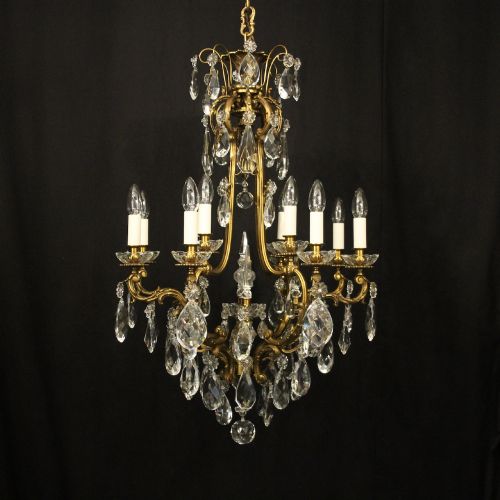
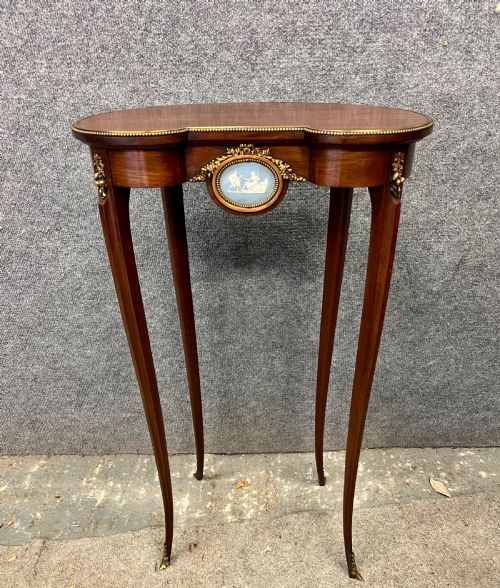
Ormolu Style Lamp
When you search for an ormolu style lamp, you find gilded metal and bronze pieces designed to bring warmth and French revival character to a room.
Ormolu Style Lamp
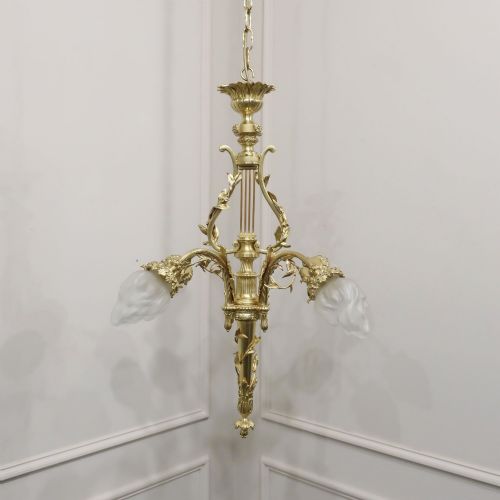
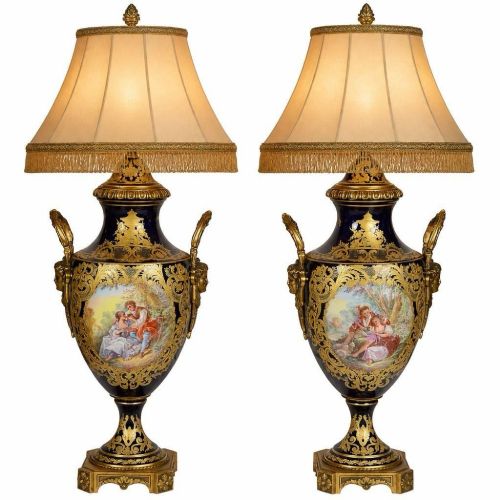
An ormolu style lamp brings together cast metal mounts and classical forms, drawing on French design traditions from the nineteenth and early twentieth centuries. These pieces often incorporate marble bases, porcelain bodies or glass elements alongside gilded bronze and brass work.
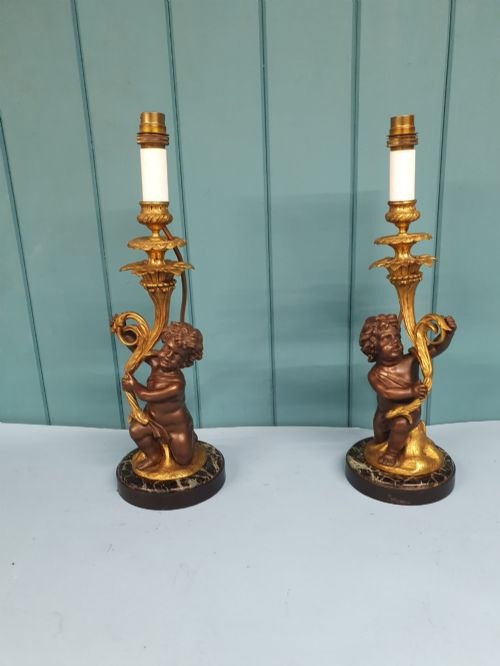
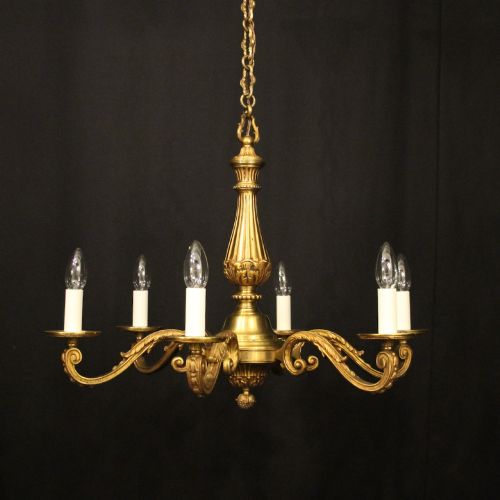
The selection ranges from table lamps with cherub or urn motifs to larger mounted lighting fixtures influenced by Louis XV, Louis XVI and Empire styles. You will frequently encounter paired table lamps designed for side placement alongside single statement pieces utilising gilt bronze.
Materials and construction
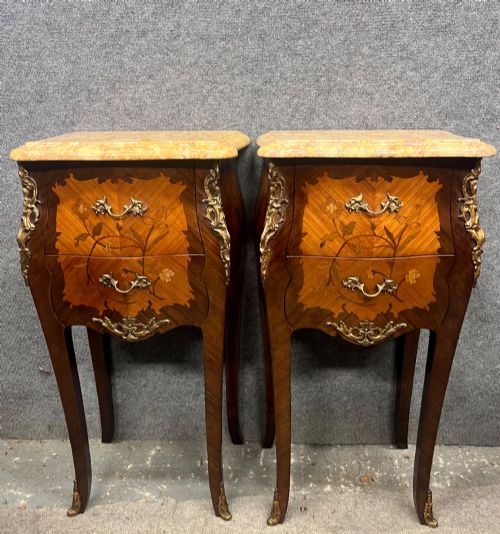
Makers combined cast bronze, brass and mercury-gilded components with timber carcases like kingwood, walnut and mahogany on associated furniture. Ormolu mounts were chased by hand after casting to sharpen the detail on foliage, scrolls and figures before fire-gilding.
Many lighting pieces integrate natural materials such as rouge marble, white marble and porcelain alongside crystal drops and fabric shades. The metalwork was screwed or pinned directly to the stone or wood bodies using traditional threaded fittings.
Ormolu Style Lamp Retail Price Guide 2026
Typical asking prices for ormolu style lamp among the pieces listed under this phrase on Sellingantiques today, from the lower quarter to the upper quarter. They describe what is for sale here now, not the wider market.
Listings feature pieces spanning the nineteenth and early twentieth centuries, incorporating materials such as gilt bronze, marble, kingwood and porcelain.
Assessing quality in metal and mountings
The distinction between standard production and superior work lies in the crispness of the chasing on the bronze and the depth of the gilding. Finer pieces show sharp relief in the acanthus leaves and figurative elements rather than soft, smoothed edges from worn moulds.
Weight and structural integrity also separate grades, seen in heavy marble plinths and solid bronze castings rather than hollow stamped brass. The precision with which mounts fit the contours of marble or porcelain reveals the hand of a more accomplished workshop.
Francois Linke
The Ormolu Style Lamp Glossary
- Ormolu
- Gilded bronze, produced by applying an amalgam of gold and mercury to a bronze base and heating it to drive off the mercury. This technique creates a durable, warm metallic surface characteristic of fine French decorative arts.
- Cassolette
- A decorative vase or vessel, often in marble and ormolu, designed with a reversible lid that functions as a burner or a solid finial. They frequently appear converted into table lamps.
- Louis XVI Style
- A neoclassical design vocabulary defined by straight lines, symmetry and classical motifs such as fluting, urns and laurel wreaths. It emerged in reaction to the asymmetry of the preceding rococo period.
- Marquetry
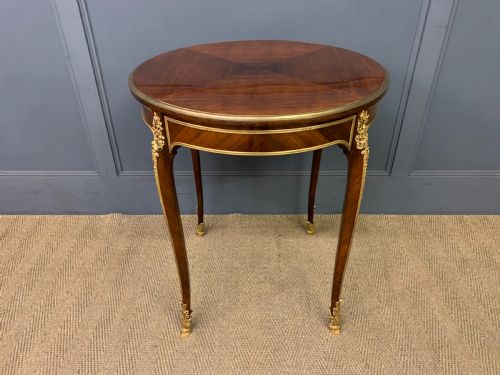
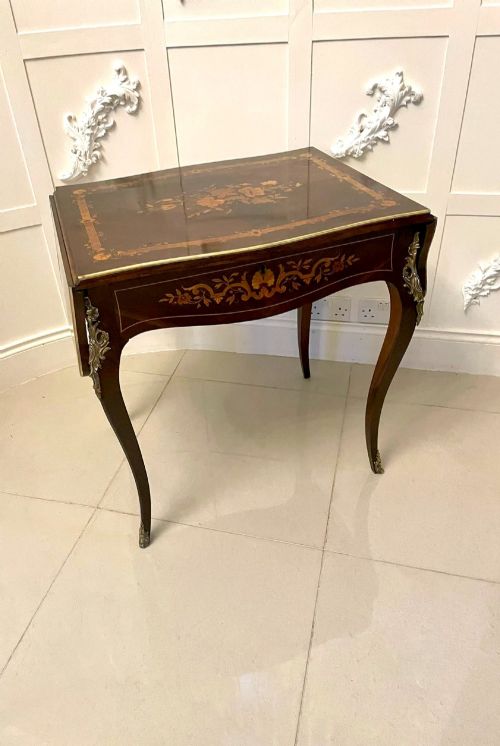
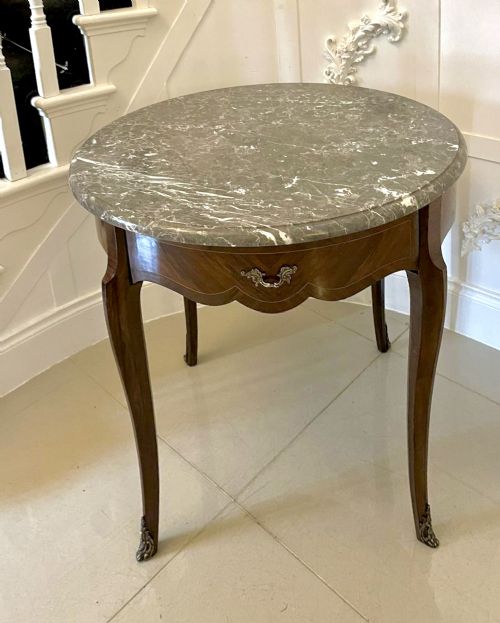
- The art of applying thin veneers of various coloured woods to a structural carcase to form geometric or floral patterns. It appears frequently on the occasional and lamp tables accompanying these lighting pieces.
- Gilt Bronze
- Cast bronze that has been coated in a layer of gold, encompassing both fire-gilding methods and later electroplating techniques. It provides the bright reflective quality seen on mountings and lamp bases.
Ormolu Style Lamp: Frequently Asked Questions
What is an ormolu style lamp?
An ormolu style lamp is a lighting fixture incorporating gilded bronze or brass mounts, frequently produced in nineteenth-century France during the revival of Louis XIV, Louis XV or Empire aesthetics.
These pieces use cast metal ornamentation applied to marble columns, porcelain bodies or wooden bases to achieve an opulent decorative effect.
How do I date an antique lamp?
Dating relies on examining the casting quality of the metal, the style of any wooden furniture components, and the wiring or internal fittings where original elements survive. Nineteenth-century examples often display hand-chased details and heavy bronze rather than lighter modern alloys.
Material combinations like rouge marble with fire-gilded bronze typically point towards the later nineteenth or early twentieth centuries.
Where should I place these lamps?
These lamps suit placement on side tables, marble-topped chests or mahogany occasional tables where their reflective metal surfaces catch ambient light. They function well as balanced pairs on sideboards or mantelpieces.
Their classical motifs complement traditional reception rooms and studies seeking a distinct nineteenth-century French interior aesthetic.
Are pairs common for these lamps?
Many surviving ormolu mounted lamps were originally manufactured as matching pairs to flank mirrors, beds or fireplace openings. Finding them together remains a key aspect for collectors seeking symmetrical arrangement.
Single lamps often originate from larger mantel garnitures or converted cassolettes.