






Ormolu Garniture Vases
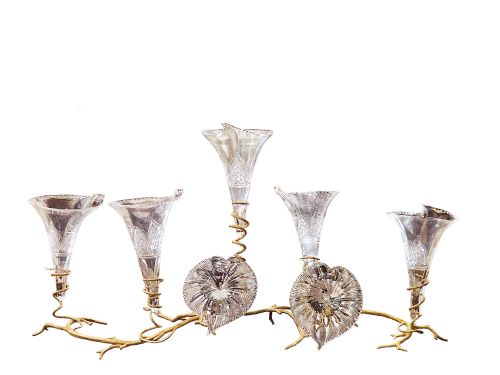
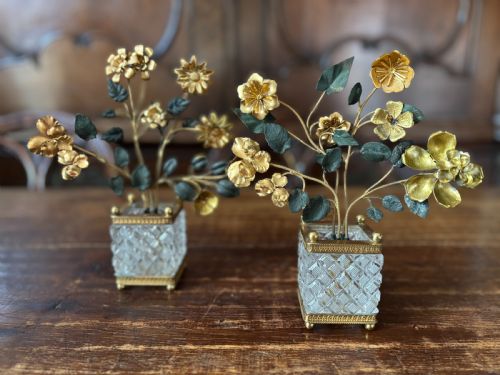
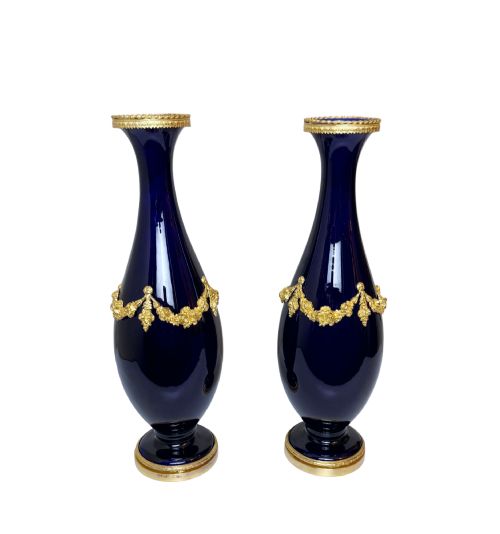
Ormolu garniture vases are decorative mantel pieces combining gilt bronze mounts with porcelain, marble, or enamel bodies, sought after for their grand French interior presence.
Ormolu Garniture Vases
When searching for ormolu garniture vases, buyers encounter nineteenth-century decorative objects originating largely from French workshops and embracing styles such as French Rococo Revival, Neoclassical, and French Empire. These pieces frequently appear in pairs or as part of a three-piece set featuring central clock garniture arrangements alongside matching side urns or vases.
How they were made
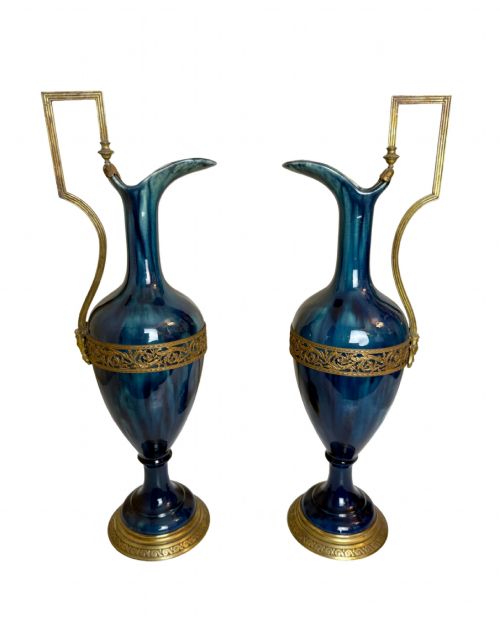
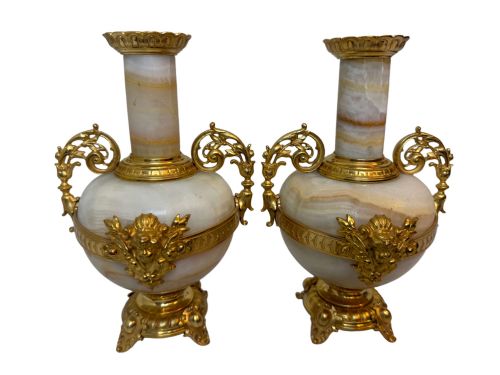
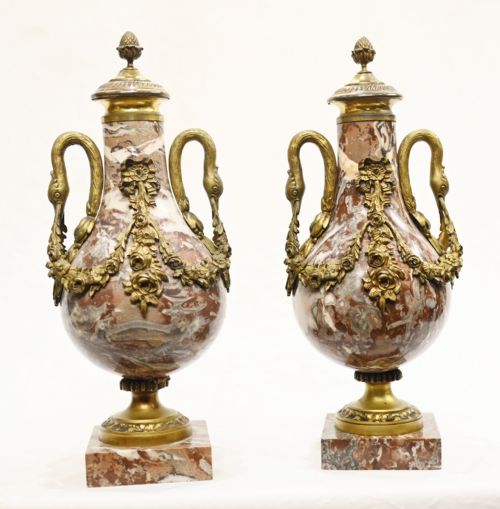
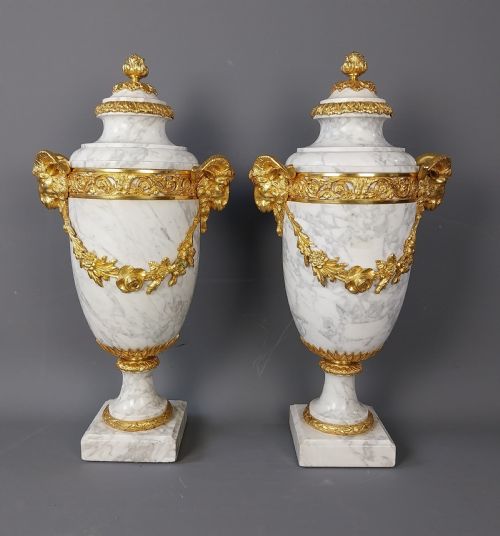
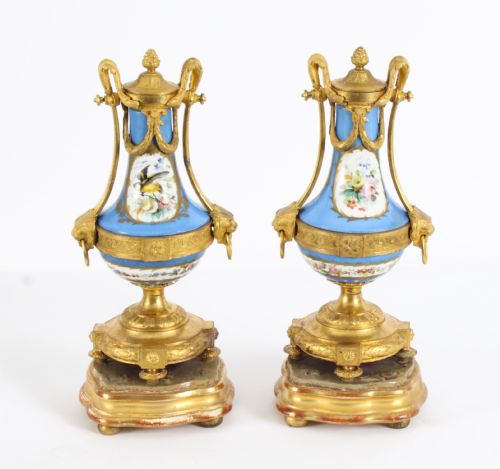
Makers constructed these garnitures by combining cast metal mounts with ceramic or stone bodies, utilising gilt bronze and ormolu alongside porcelain, white onyx, slate, and marble. Artisans cast and chased the bronze components to produce bright gilded surfaces that contrasted against blue porcelain, bleu celeste grounds, and polished stone.
Techniques involved turning marble and porcelain on lathes before applying hand-painted enamel scenes and gilt bronze trim. Workshops secured mounts with threaded pins and nuts, joining metal handles, pedestals, and collars to ceramic urn bodies.
Ormolu Garniture Vases Retail Price Guide 2026
Typical asking prices for ormolu garniture vases among the pieces listed under this phrase on Sellingantiques today, from the lower quarter to the upper quarter. They describe what is for sale here now, not the wider market.
Materials recorded across the selection include gilt bronze, ormolu, porcelain, marble, white onyx, enamel, bronze, and slate.
What varies in quality
Quality separates through the crispness of the bronze chasing and the depth of the gilding on the mountings. Finer examples display sharp leaf and scroll work with well-defined hand-chiselled details, whereas simpler versions show softer cast lines.
The refinement of the porcelain body and hand-painted enamel decoration also distinguishes pieces across the range. Superior garnitures incorporate high-fired ceramic bodies with detailed classical or floral hand-painted panels, paired with heavy, solid bronze mounts rather than lighter gilt metal.
The Ormolu Garniture Vases Glossary
- Ormolu
- A technique of applying finely ground high-carat gold to a bronze object, also known as gilt bronze. It provides a bright, durable golden finish on nineteenth-century decorative metalwork.
- Garniture
- A set of matching decorative objects, typically numbering three pieces, designed to sit together on a mantelpiece or sideboard. A clock garniture set usually pairs a central timepiece with flanking urns or vases.
- Cassolette
- A decorative vase or urn with a reversible lid that functions either as a closed vessel or an incense burner with a pierced top. These stone or porcelain pieces often feature ormolu handles and bases.
- Ewer
- A large jug with a wide spout and a looped handle, traditionally used for holding water but rendered here as a decorative ornamental piece. Nineteenth-century examples often combine bronze and ormolu in classical revival styles.
- Bleu celeste
- A pale, sky-blue ceramic glaze colour frequently utilised on Sèvres style porcelain. This distinctive hue forms the background for hand-painted scenes on nineteenth-century decorative vases.
Ormolu Garniture Vases: Frequently Asked Questions
What is an ormolu garniture set?
An ormolu garniture set comprises a matching group of decorative mantel ornaments, usually a central clock flanked by two matching vases or urns.
These sets were designed to create a symmetrical display on nineteenth-century fireplaces and large furniture tops.
How were ormolu garniture vases used?
They functioned as ornamental centerpieces for grand nineteenth-century interiors, placed on mantelpieces, console tables, and cabinets.
While some pieces like cassolettes had functional lids, most served purely to display wealth and taste through fine materials.
What is the difference between ormolu and gilt metal?
Ormolu consists of real gold applied to a cast bronze base, yielding a deep, lasting metallic lustre when chased by hand.
Gilt metal typically uses a base of brass or cheaper alloy with a thinner, more uniform surface plating.