





Ormolu Bronze Figurine
An ormolu bronze figurine brings tactile French polish and finely chased metalwork into a room, capturing classical figures, animals and putti with lasting decorative weight.
Ormolu Bronze Figurine
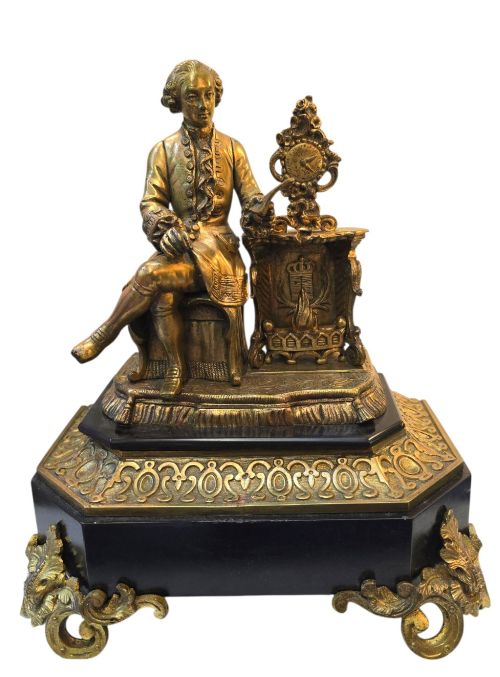
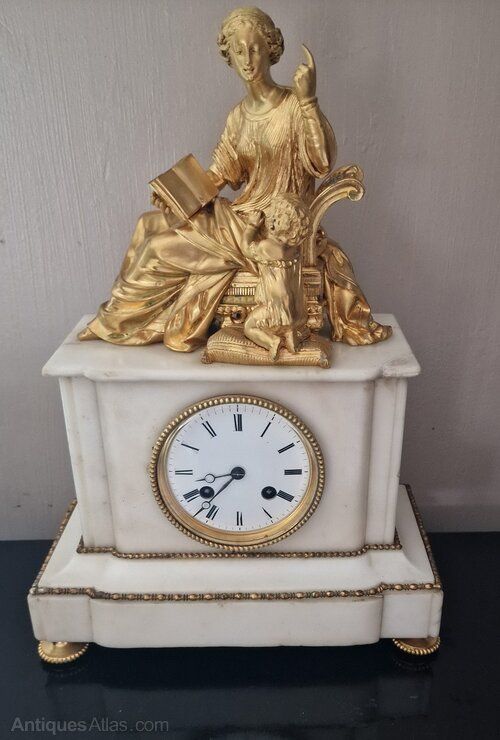
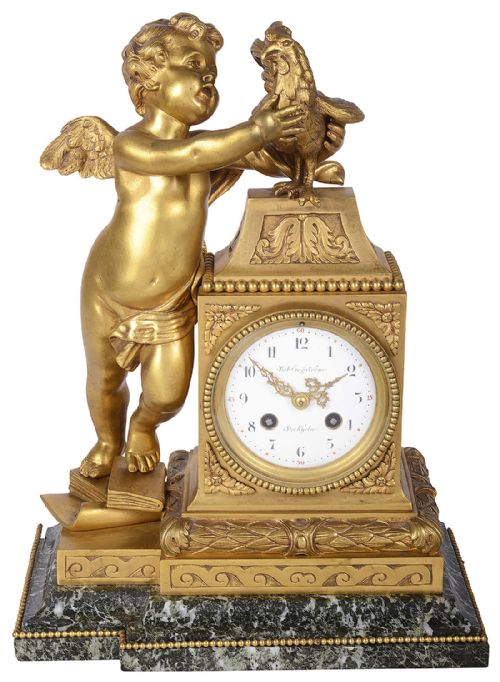
When you search for an ormolu bronze figurine, you encounter sculptural objects produced primarily across the nineteenth century in France, spanning revival styles from Rococo and Empire to Neoclassical and Victorian Animalier. These pieces range from independent mantel sculptures and desk statuettes to functional items where cast metal figures integrate with clocks, inkwells and lamps.
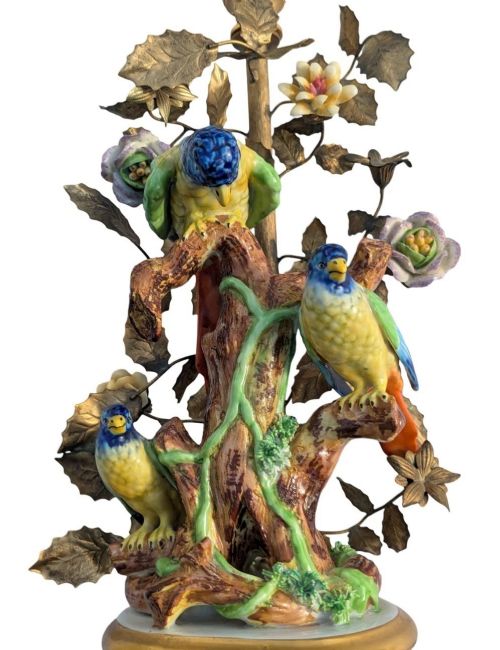
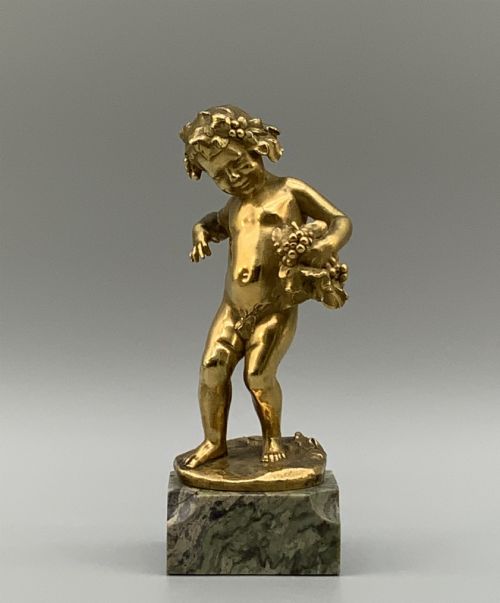
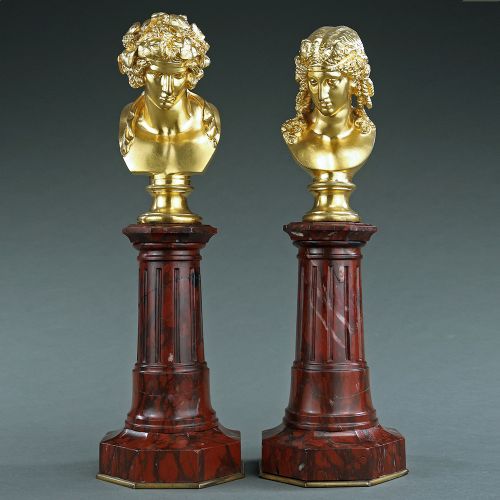
The most common examples on this page are French works cast in bronze and highlighted with gilt or ormolu, often paired with contrasting white or variegated marble bases. Figures frequently depict mythological subjects, cherubs, historical personages like Napoleon, and naturalistic animals such as rabbits, bears and cats.
Makers and artists working within these traditions utilised diverse object forms, moving between decorative candelabras, single figures and elaborate timepieces. The selection reflects a heavy nineteenth-century output designed for grand salons, desk spaces and mantelpieces.
Materials and casting methods
These pieces rely on bronze casting combined with mercury gilding or modern electroplating to create the signature ormolu surface. Artisans chased the cast metal surfaces by hand, sharpening details in hair, drapery and feathers before applying the gold finish.
Many sculptures incorporate secondary materials to elevate the visual contrast, pairing patinated or gilt bronze with white marble, porcelain panels, glass and enamel dials. Elements such as coromandel wood and Sevres porcelain occasionally form the structural bases for desk stands and clock housings.
Ormolu Bronze Figurine Retail Price Guide 2026
Typical asking prices for ormolu bronze figurine among the pieces listed under this phrase on Sellingantiques today, from the lower quarter to the upper quarter. They describe what is for sale here now, not the wider market.
Listings feature nineteenth-century French figures combining gilt bronze, patinated bronze and white marble.
Distinctions in execution and finish
Quality rests in the crispness of the initial cast and the subsequent depth of hand-chasing on the bronze surface. Superior examples retain sharp facial expressions, distinct feather or fur texturing, and clean junctions where separate cast components meet.
The richness and preservation of the gilt or ormolu surface dictate visual success, distinguishing deep gold layers from worn or scrubbed platings. The integration of supporting materials, such as heavy variegated marble plinths or painted porcelain inserts, further separates standard foundry output from masterworks.
Charles Louis Malric·Susse Frères·Antoine Louis Barye·Christophe Fratin·Achille Brocot·Delettrez·Baetens London·Charlotte Monginot
The Ormolu Bronze Figurine Glossary
- Ormolu
- Gilt bronze produced by applying a mixture of gold and mercury to a bronze base, or through later electroplating methods. The technique yields a bright golden finish characteristic of French decorative arts.
- Patinated bronze
- Bronze left with a chemical or natural surface darkening rather than a gold finish. This treatment allows modellers to highlight anatomical contours through contrasting dark and light areas.
- Grand Tour
- Cultural travel undertaken by nineteenth-century Europeans seeking classical antiquities and small-scale bronze copies of ancient sculptures. These souvenir bronzes often replicated famous statues seen in Italy.
- Animalier
- A nineteenth-century artistic focus on realistic depictions of animals in action or repose. Sculptors working in this style captured bears, rabbits and cats with careful anatomical observation.
- Putto
- A chubby male child figure, often winged, appearing frequently in fountain sculptures and clock ornaments. These figures derive from classical mythology and Renaissance art.
Ormolu Bronze Figurine: Frequently Asked Questions
What is ormolu?
Ormolu describes gilded bronze, where a layer of gold is applied to a bronze casting to produce a rich, metallic yellow sheen. The technique was widely adopted in France for decorative hardware, clock mounts and figurines.
Over time, the finish can show subtle wear that reveals the warm bronze underneath, adding depth to the object's appearance.
How do I clean these bronzes?
Dusting with a soft, dry brush is the safest way to maintain the surface of a gilt bronze figurine without disturbing the delicate patination or gilding. Avoid using metal polishes or chemical cleaners, which strip away the historic gold layer.
Keep the pieces away from direct moisture and strong sunlight to preserve both the bronze metal and any attached marble or porcelain components.
Are these pieces French?
The majority of nineteenth-century ormolu bronze figures and clocks originate from French foundries and Parisian workshops following classical, empire or rococo revival aesthetics. Makers in Paris dominated the production of gilt bronze decorative objects during this era.
English makers also produced similar works, though French ateliers remained the primary source for intricate ormolu mounts and figural clock cases.
What are marble bases for?
Marble bases provided weight and stability for tall bronze figures and complex mantel clocks, ensuring the heavy metal structures stood securely. White and variegated marble slabs also created a striking visual contrast against dark patinated bronze and bright ormolu.
These stone plinths are integral parts of the original nineteenth-century design, frequently shaped with moulded edges to match the architectural style of the period.