

Ormolu and Bronze Lamps
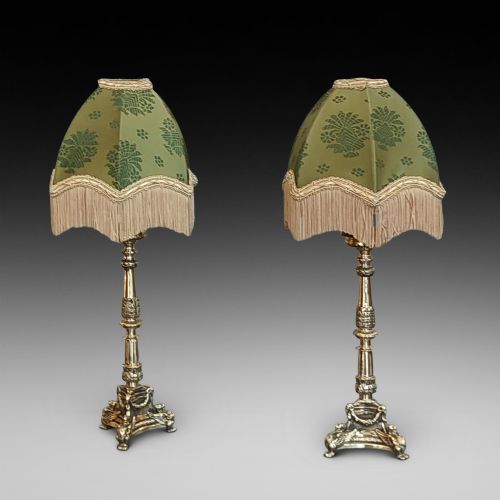
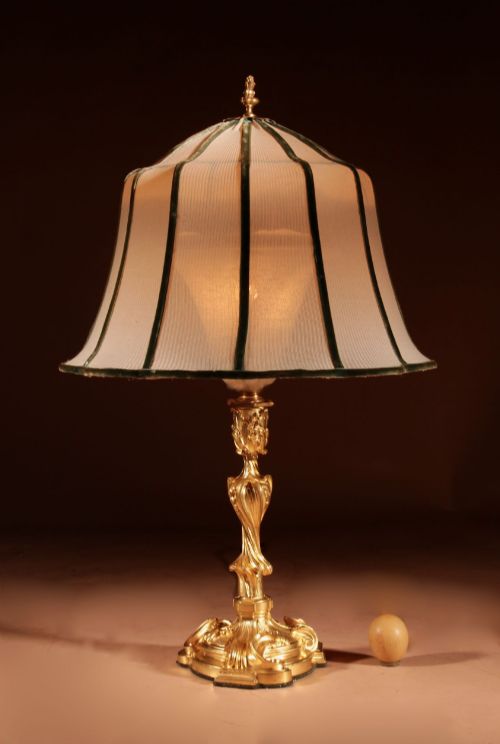
These ormolu and bronze lamps bring the heavy, warm metalwork and classic French styling of the nineteenth and early twentieth centuries into a room.
Ormolu and Bronze Lamps
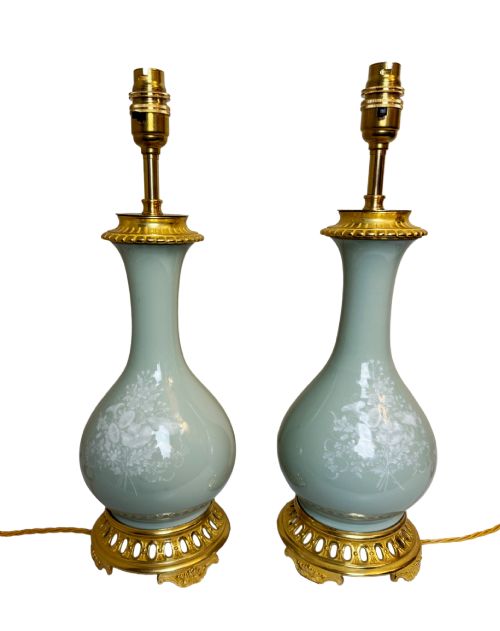
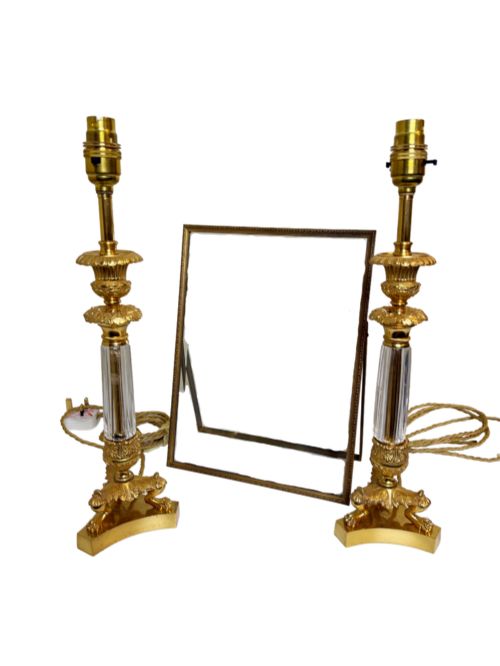
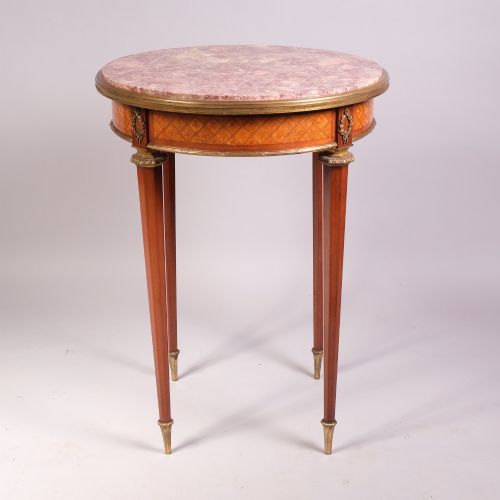
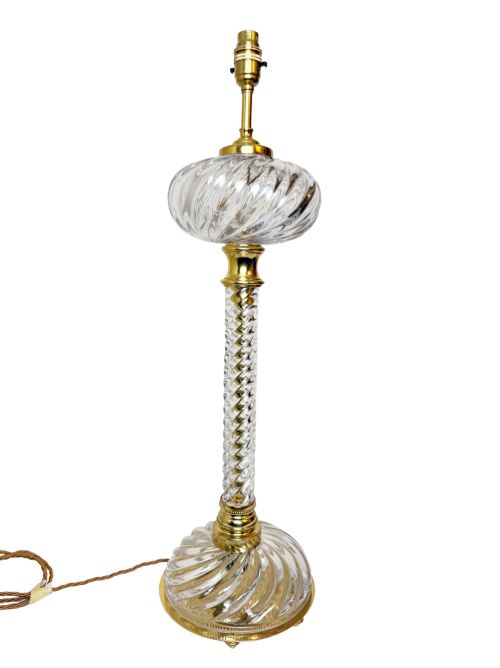
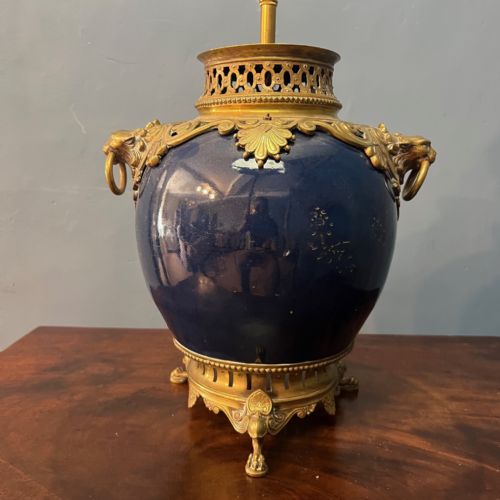
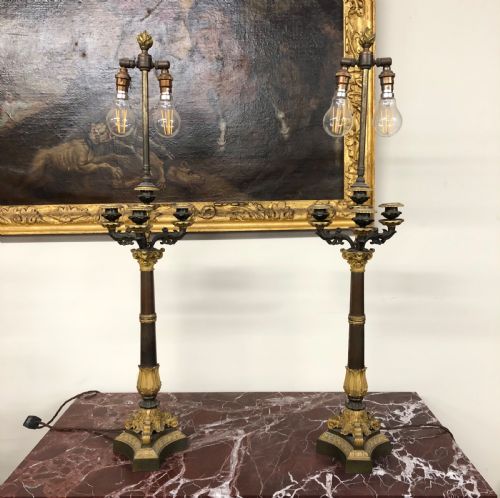
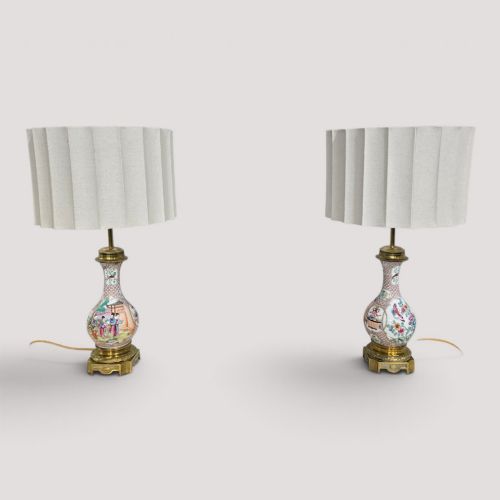
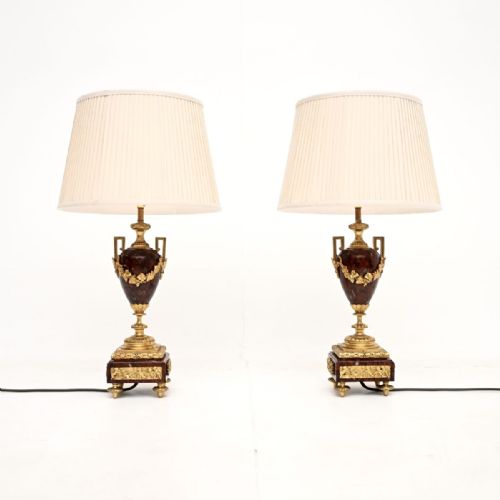
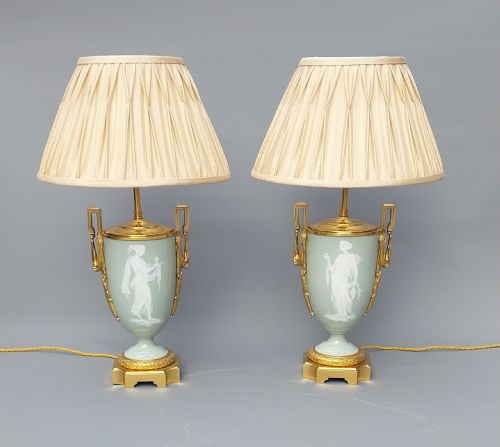
When you search for ormolu and bronze lamps, you encounter lighting fixtures that pair cast metal with materials such as marble, crystal, onyx, and porcelain. The selection leans heavily toward French production, spanning the nineteenth century through the 1930s.
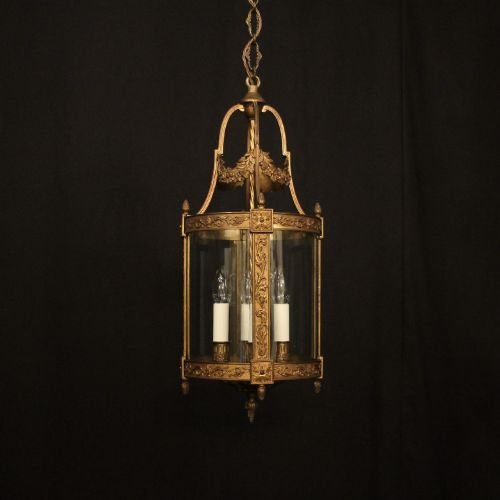
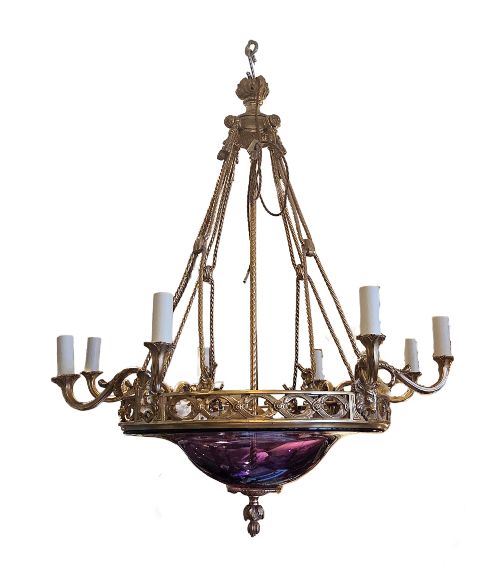
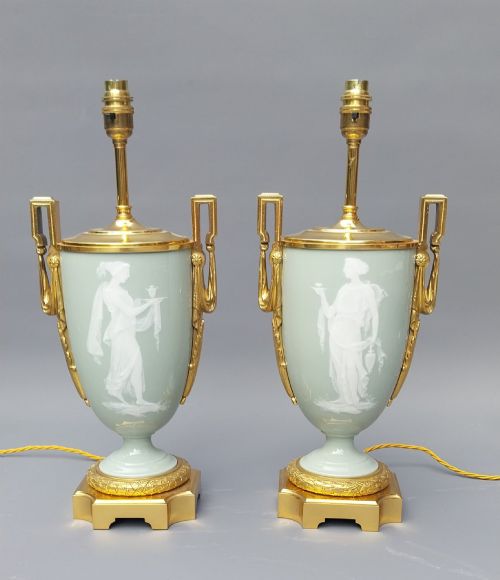
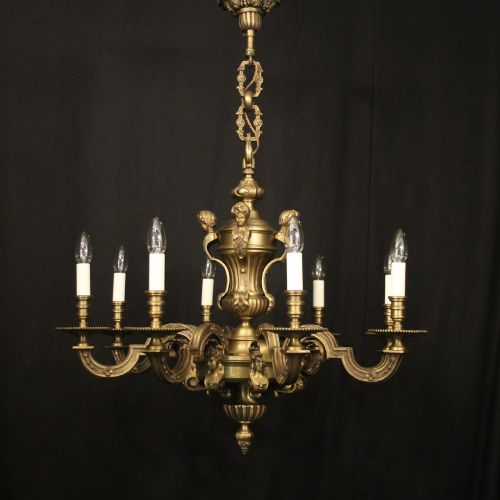
Table lamps and wall sconces dominate the offerings, often appearing as matched pairs mounted with classical figures, putti, or floral motifs. Alongside these sit heavier floor-standing oil lamps and multi-light chandeliers following Louis XV and Louis XVI revival styles.
How they were made
The foundation of these pieces rests on bronze, brass, and ormolu, which is gilded bronze formed through mercury amalgamation or electrogilding. Metal mounts and bases are frequently cast in elaborate Rococo or Neoclassical designs.
Artisans combined the metalwork with turned marble, carved onyx, cut crystal, and glazed porcelain bodies, occasionally incorporating fabric shades or adding intricate champleve enamel details to the bronze surfaces.
Ormolu and Bronze Lamps Retail Price Guide 2026
Typical asking prices for ormolu and bronze lamps among the pieces listed under this phrase on Sellingantiques today, from the lower quarter to the upper quarter. They describe what is for sale here now, not the wider market.
Several bronze cherubs hold up lampshades as if performing an endless, heavy-handed juggling act.
What varies in quality
The crispness of the chasing on the bronze or ormolu separates finer examples from simpler castings, as sharp relief and deep detail demand skilled hand-finishing. Heavier gauge metalwork and substantial stone bases indicate more costly manufacturing.
The integration of the decorative elements dictates the overall harmony of the piece, where the weight of the metal mounts matches the proportion of the porcelain, marble, or glass body rather than appearing secondary.
Francois Linke
The Ormolu and Bronze Lamps Glossary
- Ormolu
- Gilt bronze produced by applying a finely ground gold-mercury amalgam to a bronze object before heating. It provides a distinct golden finish found on decorative mounts.
- Champleve
- An enamelling technique where troughs are dug into a metal surface and filled with vitreous enamel before firing. It frequently appears on nineteenth-century French decorative objects.
- Cassolette
- A decorative vase or urn with a reversible lid that can function as a perfume burner or a candle holder. These often form the bodies of converted lamps.
- Pate-sur-pate
- A ceramic decoration method where wet white porcelain slip is painted in layers onto a coloured clay body to create a low relief cameo effect.
Ormolu and Bronze Lamps: Frequently Asked Questions
Are these lamps converted from oil?
Many nineteenth-century floor lamps and table lamps began as oil-burning fixtures before conversion to electricity during later periods.
Rewiring is standard for safe modern use, though original mechanisms are sometimes preserved within the base construction.
How do I identify Louis XVI style?
Louis XVI style relies on strict symmetry, straight lines, and classical motifs such as fluted columns, urns, and acanthus leaves.
This aesthetic contrasts with the asymmetrical curves and organic scrollwork of earlier Rococo designs.
What is the difference between bronze and ormolu?
Bronze is an alloy of copper and tin used structurally and decoratively, while ormolu specifically denotes bronze that has been treated with a gold gilding layer.
Ungilded bronze exhibits a dark brown or patinated metallic surface, whereas ormolu displays a bright golden lustre.
How should I clean ormolu mounts?
Dust bronze and ormolu gently with a soft, dry cloth to prevent any abrasion to the delicate historical surface layer.
Harsh chemical cleaners strip the original gilding, so professional conservation advice is required for heavy grime.