
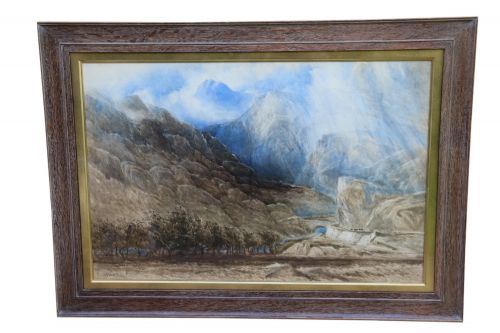


Original Welsh Landscape Painting
An original welsh landscape painting captures rugged peaks and serene valleys through the eyes of artists drawn to Snowdonia, river estuaries, and coastal villages.
Original Welsh Landscape Painting
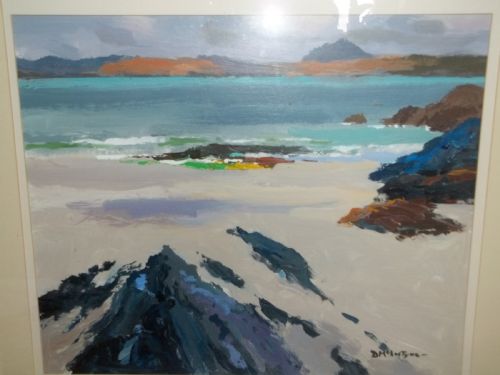
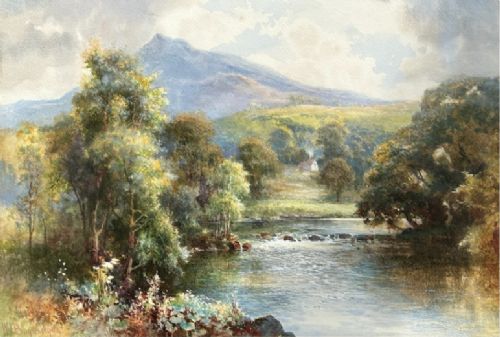
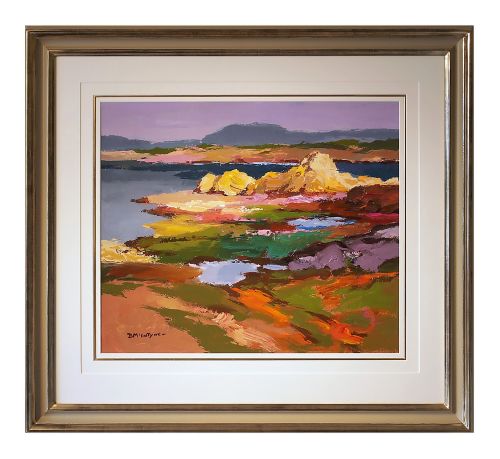
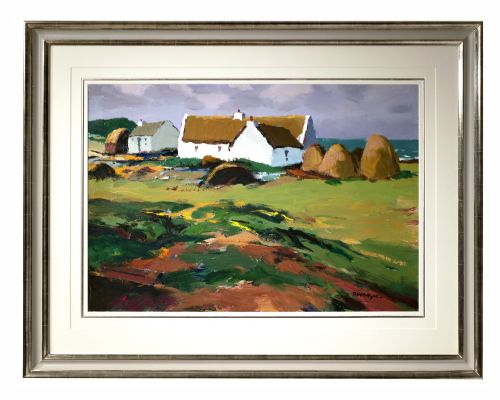
An original welsh landscape painting records the topography and changing light of North and South Wales across the nineteenth and twentieth centuries. These works range from detailed Victorian watercolours of mountain passes to bold mid-century modern interpretations of coastal towns.
The selections span distinct periods, including Victorian, Edwardian, and mid-century modern movements. Artists frequently returned to specific locations such as the Conwy Valley, Betws-y-coed, and Cardigan Bay.
Collectors encounter works executed in diverse formats, from intimate paper sketches to large framed oils on canvas. Each piece reflects the enduring appeal of Welsh scenery to both regional painters and visiting artists.
How they were made
Watercolour paintings on paper utilise washes and fine brushwork to capture atmospheric mountain mists and river reflections. Many nineteenth-century examples rely on the luminosity of the paper beneath translucent layers of pigment.
Oil paintings employ oil paint on canvas, wood panel, or board, offering rich textures and deep colour saturation. Artists built up these compositions using palette knives or bristle brushes to render the rugged terrain of Snowdonia and rural valleys.
Frames often incorporate giltwood or traditional wood moulding, protecting the delicate surfaces of paper works behind glass or housing robust canvas panels.
Materials recorded in the archive include giltwood frames, wood panels, canvas supports, and traditional paper.
What varies in quality
The standard of an original welsh landscape painting depends on the artist's ability to capture light and atmosphere rather than mere topographical accuracy. Stronger works demonstrate confident brushwork and a distinct personal vision of the terrain.
Condition and provenance elevate certain pieces, particularly when a painting retains its original period frame and carries clear signatures or exhibition history. Works by established regional painters or recognised members of artistic associations generally command closer attention from collectors.
Donald McIntyre·Cornelius Pearson·John Syer·Benjamin Williams Leader·Alfred de Breanski
The Original Welsh Landscape Painting Glossary
- Watercolour
- A paint consisting of natural pigment suspended in a water-soluble vehicle. It is typically applied to paper to create luminous, translucent washes of colour.
- Oil on Canvas
- A technique where oil paint is applied to a woven fabric stretched across a wooden frame. This method allows for rich blending and textured impasto work.
- Giltwood
- Wood carved and coated with a thin layer of gold leaf or gilt powder. It provides an ornate, reflective border popular on nineteenth-century frames.
- Wood Panel
- A rigid flat wooden support used as a base for paintings before stretched canvas became dominant. It offers a smooth, stable surface for fine detail.
- Mid-Century Modern
- An architectural, product, and fine art design movement spanning roughly from the mid-1930s to the mid-1960s. In painting, it often translates to simplified forms and expressive palettes.
Original Welsh Landscape Painting: Frequently Asked Questions
What is the difference between oil and watercolour Welsh paintings?
Watercolour paintings utilise thin, translucent washes on paper to capture transient weather and atmospheric mists over lakes and mountains. They require protective glass framing to prevent moisture and light damage.
Oil paintings offer heavier textures and deeper colour saturation on canvas or wood panels. These robust compositions stand without glass and display visible brushwork or palette knife marks.
How should I care for an antique painting on paper?
Works on paper require protection from direct sunlight to prevent the watercolour pigments from fading over time. Maintaining stable indoor humidity levels prevents warping and foxing spots on the paper.
Displaying pieces away from direct heat sources and damp exterior walls preserves both the paper support and the surrounding wooden frame.
Are nineteenth-century frames original to the paintings?
Many nineteenth-century works retain their period giltwood or moulded wood frames, which complement the aesthetic of the era. Examining the fit, corner mitres, and backing boards helps determine if the frame has remained with the artwork since its creation.
Re-framing was common practice as tastes changed, so contemporary framing does not diminish the authenticity of the painting itself.