





Original Tree Artwork
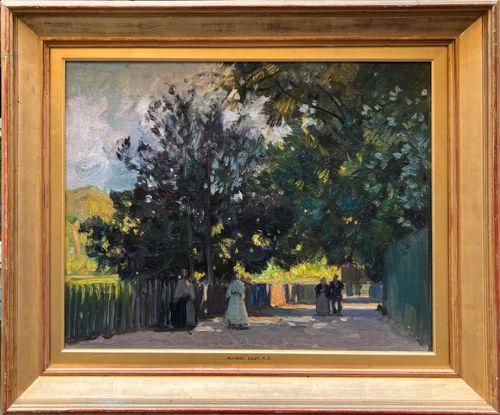
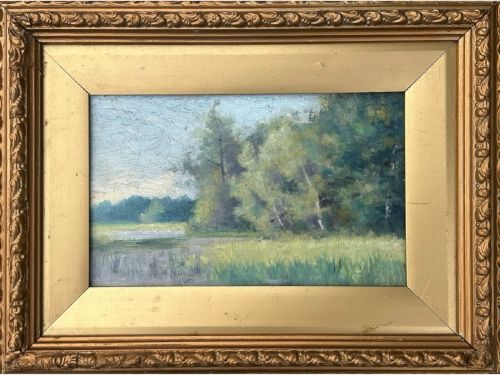
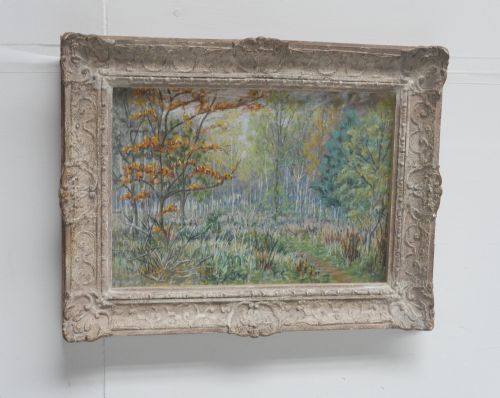
Original tree artwork brings together centuries of painted woodland scenes, capturing ancient oaks and quiet winter branches in oil and watercolour.
Original Tree Artwork
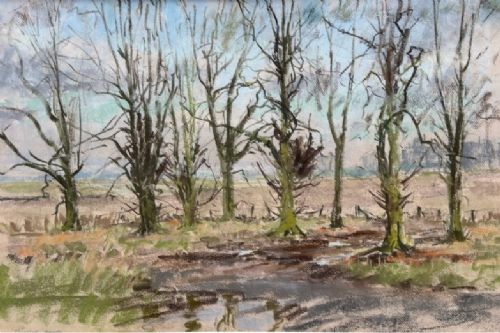
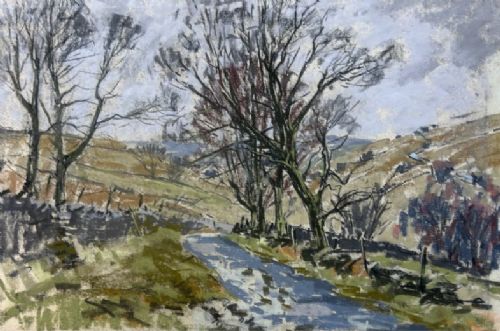
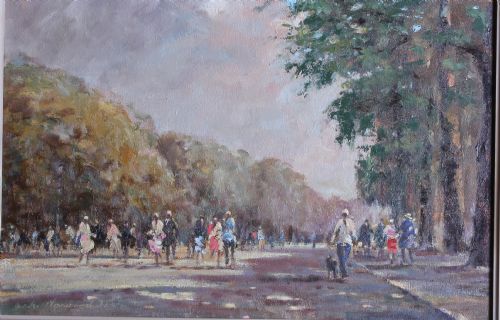
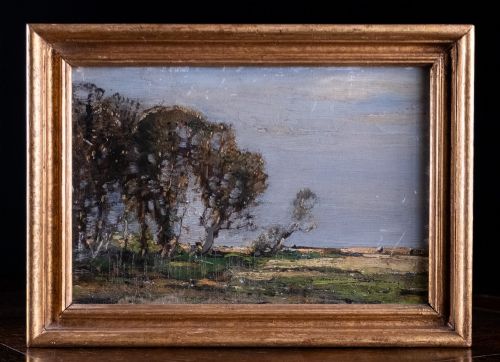
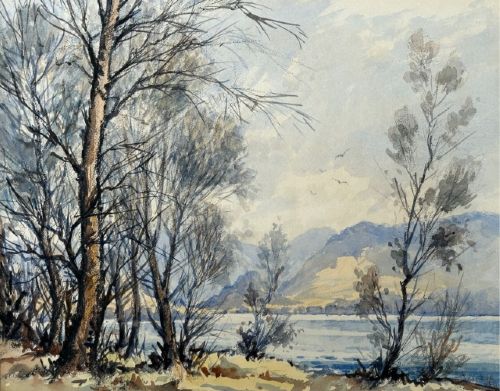
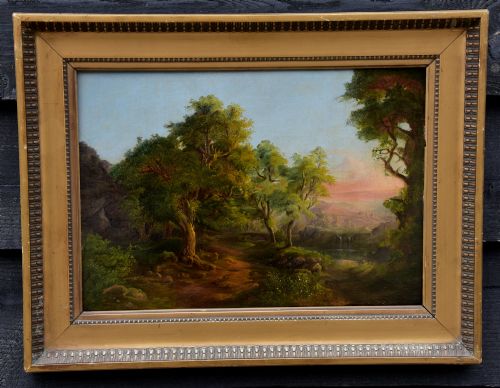
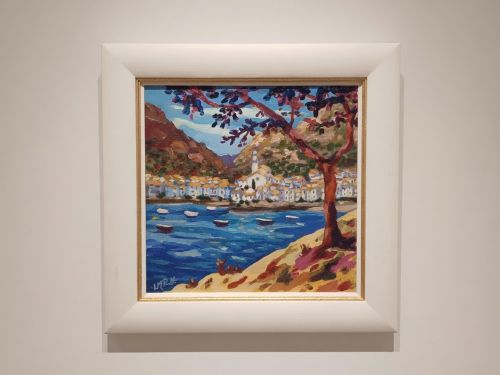
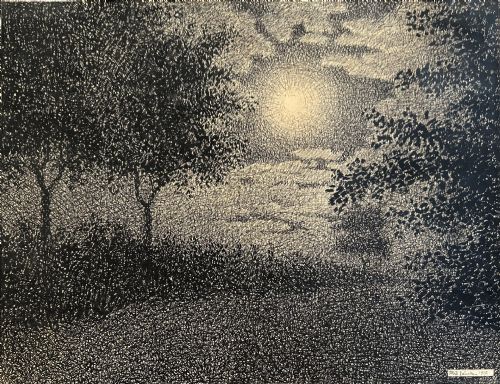
Original tree artwork encompasses painted and drawn landscape scenes focusing on woodland, parkland, and rural trees from various historical periods. When searching for original tree artwork, buyers encounter pieces ranging from late nineteenth-century watercolours to mid-twentieth-century oil paintings.
These pieces reflect the enduring artistic focus on natural foliage and the changing seasons, recorded through the lens of Victorian, Edwardian, and post-war painting styles.
Materials and Technique
Artists create these works using traditional painterly media such as oil paint, watercolour pigment, gouache, pastel, and ink on supports like stretched canvas, wood panel, board, and heavy paper. Oil paint allows for rich impasto and layered depth in depicting heavy foliage, while watercolour relies on transparent washes to capture light filtering through branches.
The physical construction of each piece includes hand-stretched canvases, wooden panels, and heavy paper sheets, frequently housed within period gilt or ebonised frames that complement the composition.
Original Tree Artwork Retail Price Guide 2026
Typical asking prices for original tree artwork among the pieces listed under this phrase on Sellingantiques today, from the lower quarter to the upper quarter. They describe what is for sale here now, not the wider market.
Several artists preferred painting timber during winter, perhaps because naked branches leave nowhere for lazy brushwork to hide.
Distinctions in Quality
Quality in these paintings rests upon the artist's handling of light, brushwork confidence, and compositional balance rather than the mere presence of signature details. Superior works demonstrate a assured command of tonal value and atmospheric perspective, effectively conveying the density of woodland shade and the texture of bark.
The integration of the tree subject within the wider landscape further separates accomplished works from standard decorative pieces, with better examples showing careful observation of seasonal colour and natural growth.
Angus Rands·Kershaw Schofield·Sir Alfred East·John Linnell·Henri Joseph Harpignies
The Original Tree Artwork Glossary
- Oil paint
- A slow-drying paint made by combining pigments with a drying oil, typically linseed. This medium allows artists to build thick textures and blend subtle colour transitions.
- Watercolour
- A painting method in which the paints are made of pigments suspended in a water-soluble vehicle. It is typically applied to paper to create translucent washes of colour.
- Impasto
- The process of applying paint thickly on a canvas, leaving visible brush or palette knife marks. This technique adds tactile dimension to the depiction of leaves and branches.
- Gouache
- An opaque water-based paint that includes a white pigment filler, resulting in a heavier, more solid finish than traditional watercolour. It is frequently combined with ink or watercolour on paper.
- Provenance
- The chronological record of ownership and custodial history of a work of art. Documented studio sales or exhibition histories help confirm the authenticity of older paintings.
Original Tree Artwork: Frequently Asked Questions
How do I identify the age of an oil painting?
Examination of the canvas weave, stretcher frame construction, and the type of ground preparation provides clear indicators of a painting's period. Pigment analysis and the ageing characteristics of the varnish layer also help determine when the work was executed.
Secondary clues include framing styles, artist signatures, and any handwritten inscriptions or labels adhered to the reverse of the panel or stretcher.
How should I care for antique watercolours on paper?
Watercolours require protection from direct sunlight to prevent the fading of sensitive pigments over time. Displaying them away from high humidity and using conservation-grade framing materials helps preserve the paper support.
Maintaining stable indoor temperatures prevents warping of the paper and protects the fragile bound pigments from environmental degradation.
What is the difference between oil on canvas and oil on board?
Oil on canvas involves pigment applied to a woven fabric stretched across a wooden frame, offering slight flexibility and a distinct textured surface. Oil on board uses a rigid wooden or composition board support, which provides a completely firm painting surface.
Board supports frequently appeared in plein air studies where artists required a sturdy, portable surface for outdoor painting.
How do Impressionist and Victorian landscape styles differ?
Victorian landscape art typically prioritises meticulous detail, narrative composition, and a finished, naturalistic representation of foliage and terrain. Impressionist works focus instead on transient effects of light, loose brushwork, and the overall atmospheric impression of the scene.
While Victorian painters carefully delineated individual leaves and branches, impressionist artists captured the shimmering effect of sunlight through a tree canopy using broken colour.