




Original Studio Paintings
Original studio paintings capture the intimate working spaces and personal visions of artists across the nineteenth and twentieth centuries.
Original Studio Paintings
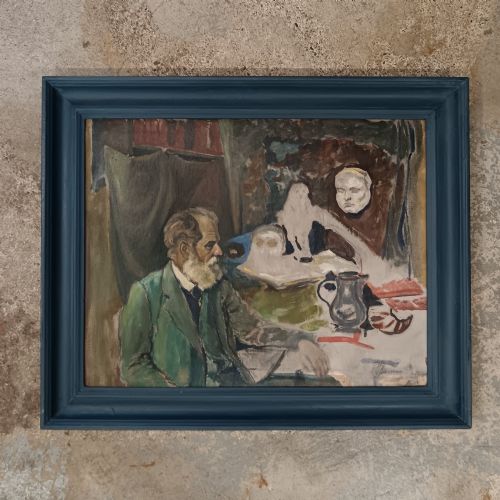
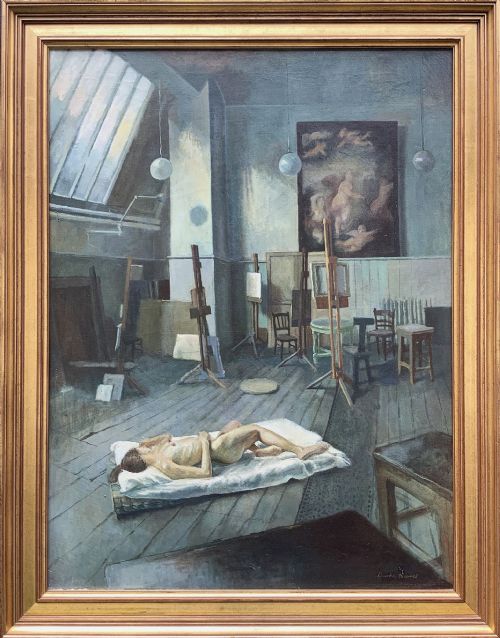
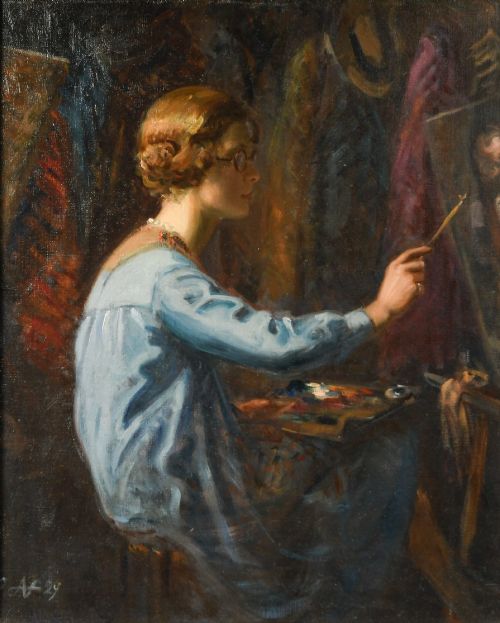
Original studio paintings encompass works executed directly from an artist's workspace, ranging from early twentieth-century portraits to mid-century landscapes. When searching for original studio paintings, a buyer encounters everything from self-portraits at the easel to interior views of bohemian life and artist models resting.
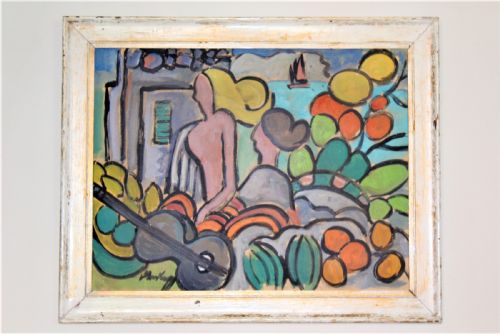
The pieces appearing on this page span several distinct periods, including nineteenth-century fine art, art deco, and mid-century modernism. Works often emerge straight from studio portfolios, offering a direct window into the creative environments of British and European schools.
How they were made
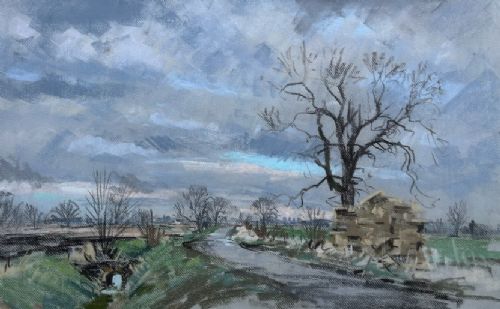
Artists created these works utilising oil paint applied to canvas or rigid board, alongside pastel on paper for preparatory or finished drawings. Supporting structures typically consist of timber frames suited to the period of execution.
Techniques range from rapid life-class interior studies to considered self-portraits reflecting the artist's tools and immediate surroundings.
Original Studio Paintings Retail Price Guide 2026
Typical asking prices for original studio paintings among the pieces listed under this phrase on Sellingantiques today, from the lower quarter to the upper quarter. They describe what is for sale here now, not the wider market.
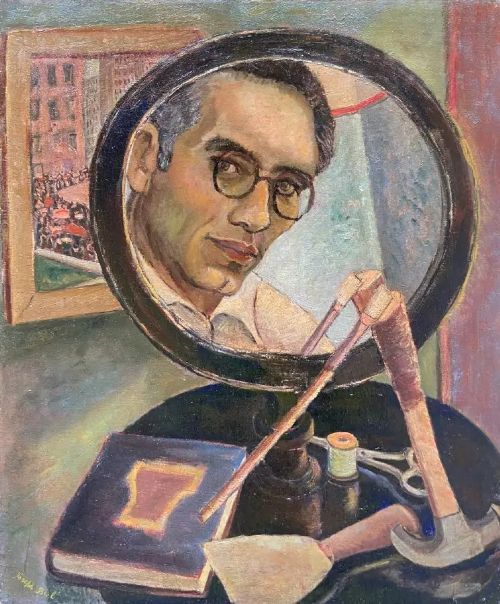
Several canvases capture artists staring intently into mirrors, painting themselves surrounded by their own tools.
What varies in quality
Quality rests upon the sureness of the handling and the immediacy of the composition, distinguishing hurried student exercises from confident works by established hands. The strength of draughtsmanship in figures and interiors dictates the visual impact of the piece.
Preservation of the original paint surface and the character of the period timber frame contribute significantly to the overall integrity of the work.
Angus Rands·Deidre Daines·Joseph Biel·William JB Jenkins·Markey Robinson·Geoffrey Robert Russell
The Original Studio Paintings Glossary
- Canvas
- A heavy woven fabric stretched across a wooden frame to serve as a support for oil painting. It provides a distinct textural ground for brushwork.
- Pastel
- A medium consisting of powdered pigment combined with a binder and pressed into sticks. It allows for immediate colour application on paper.
- Board
- A rigid flat panel utilised as an alternative to canvas for oil paintings. It offers a stable surface favoured for smaller or en plein air studies.
- Self-portrait
- A representation of the artist drawn or painted by themselves, often utilising a mirror in the studio. These works frequently include depictions of artist tools and easels.
- Modern British
- An umbrella term for art produced in Britain during the twentieth century that engaged with European modernist movements. It encompasses diverse styles from realism to abstraction.
Original Studio Paintings: Frequently Asked Questions
What is an artist studio painting?
An artist studio painting depicts scenes from within the workspace, such as models resting, interiors, or the artist at the easel. These works offer personal insight into the daily environment where the art was conceived.
They often bear direct provenance from studio sales, retaining a raw connection to the creator's working life.
How do I date a studio painting?
Dating relies upon stylistic markers such as art deco interior details, mid-century modernist composition, or specific clothing and hairstyles in portraits. Information is often preserved in studio portfolio notes or inscriptions on the reverse.
Material choices like canvas types and timber frames also provide clues to the era of production.
Where should I hang these paintings?
Studio paintings suit studies, living spaces, or hallways where their intimate scale and narrative subjects can be appreciated closely. They pair well with period architectural details and neutral walls that allow the oil or pastel palette to stand out.
Direct sunlight should be avoided to protect both the painted surface and any associated timber frame.
Are pastels as durable as oils?
Pastels on paper require glazing with glass or acrylic to protect the delicate pigment particles from being disturbed or smudged over time. Oil paint on canvas or board forms a more resilient surface that withstands normal atmospheric changes better.
Both media benefit from stable indoor humidity and temperature conditions.