




Original Street Sign
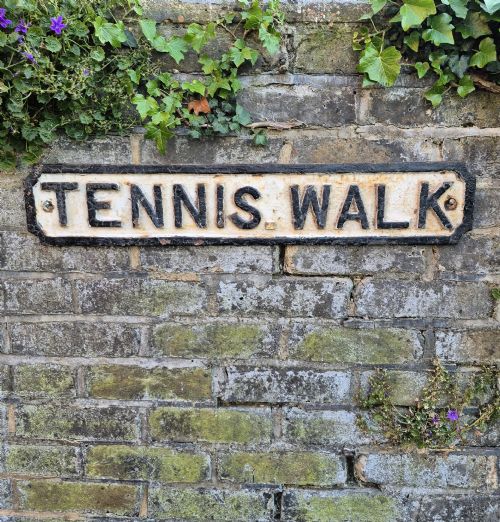
An original street sign brings tangible municipal history into a room, fashioned from robust vitreous enamel and iron to endure decades outdoors.
Original Street Sign
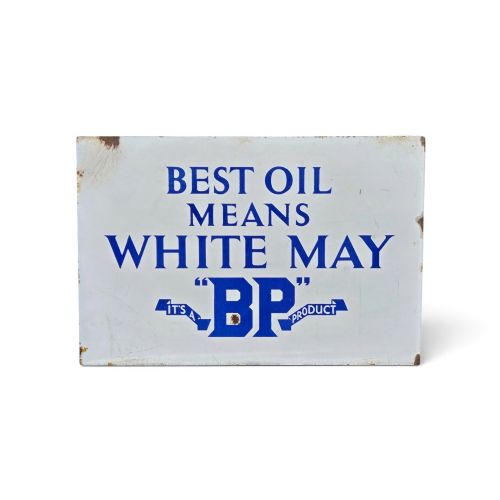
The versions most likely to be met on this page include enamel wall signs from the early twentieth century, spanning decades such as the 1910s and 1920s. Alongside municipal markers, the selection incorporates related signage and advertising pieces sharing similar industrial manufacturing techniques.
How they were made
These items rely heavily on vitreous enamel fused to iron or steel substrates, a process that provided a glossy, weather-resistant surface capable of retaining bold lettering and colours outdoors. Metal fabrication involved cutting heavy iron sheets before applying powdered glass coatings fired at high temperatures.
Supporting elements often included steel mounting flanges or brackets designed to anchor the heavy plates securely to exterior walls or posts. This robust construction explains the survival of these utilitarian objects long after their original municipal function ceased.
Original Street Sign Retail Price Guide 2026
Typical asking prices for original street sign among the pieces listed under this phrase on Sellingantiques today, from the lower quarter to the upper quarter. They describe what is for sale here now, not the wider market.
Some signs spent a century directing lost pedestrians past Yorkshire wool mills before finding their way indoors.
What varies in quality
The distinction between standard examples and the finest pieces lies in the clarity of the typography, the complexity of the colour palette, and the intactness of the vitreous enamel surface. Signs featuring crisp, multi-coloured firing and minimal chipping demonstrate superior initial manufacture and careful subsequent survival.
Structural integrity also separates the range, where surviving original mounting hardware and uncompromised metal edges preserve the object in a more complete state. Pieces retaining their original functional context and legible place names command greater interest among collectors.
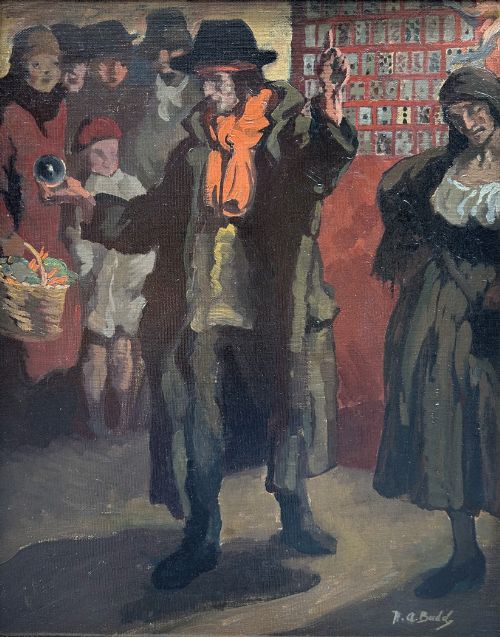
Herbert Ashwin Budd·Frederick William Booty·Fred Lawson·Donald Wood
The Original Street Sign Glossary
- Vitreous Enamel
- A material created by fusing powdered glass to a metal substrate at high temperatures, producing a durable and glossy coloured coating. This technique ensured public signs resisted corrosion from rain and urban pollution.
- Mounting Flange
- A projecting flat rim or collar drilled with screw holes, designed to attach a double-sided sign securely to a wall or projecting post. It allowed pedestrian traffic to read the text from multiple angles along a thoroughfare.
- Industrial Style
- An aesthetic defined by utilitarian design, robust materials like iron and steel, and a lack of superfluous ornament. This approach prioritised longevity and legibility over decorative refinement.
- Edwardian
- A historical period spanning the reign of King Edward VII from 1901 to 1910, often associated with specific civic and architectural developments. Signage from this era typically employs distinct serif lettering styles.
Original Street Sign: Frequently Asked Questions
What is an original street sign?
An original street sign is a vitreous enamel and iron marker that was once mounted on buildings or posts to designate public roads and walkways.
These functional objects were produced in industrial works during the early twentieth century for municipal authorities and commercial enterprises alike.
How were street signs displayed?
Most directional and street markers were bolted directly to exterior brickwork or fixed via projecting metal flanges to ensure visibility from the pavement.
Double-sided variants allowed pedestrians approaching from either direction along a thoroughfare to read the location clearly.
How do I date a street sign?
Dating relies primarily on the typeface, the manufacturing technique, and the specific composition of the vitreous enamel and iron substrate.
Early twentieth-century examples often feature distinct serif or sans-serif lettering styles characteristic of municipal commissioning practices from the 1910s and 1920s.
How do I live with a street sign?
These heavy metal objects suit interior or exterior display when anchored securely to a load-bearing wall using appropriate fixings.
Their industrial aesthetic complements both modern and traditional interiors, serving as bold graphic elements with genuine historical provenance.