
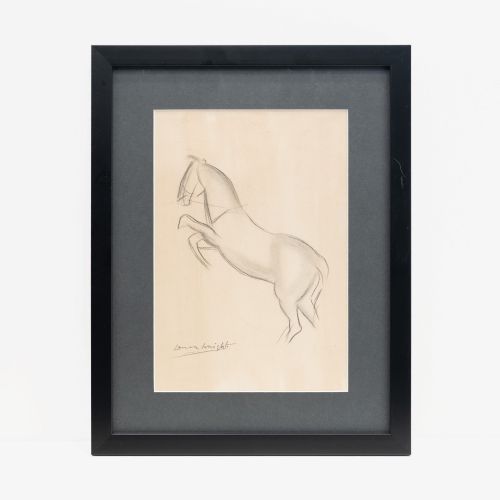
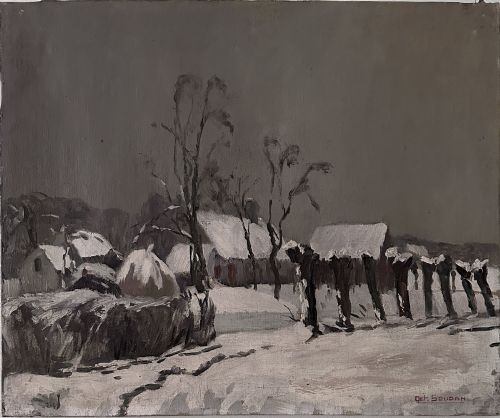


Original Signed Print
When you search for an original signed print, you encounter hand-pulled etchings, woodcuts and lithographs carrying the direct signature of the artist.
Original Signed Print
An original signed print is a work of graphic art where the artist created the image on the plate, block or stone and subsequently signed the finished impression by hand. The items on this page span the nineteenth century through to the mid twentieth century, encompassing periods such as the Edwardian era, Victorian times and Modern British movements.
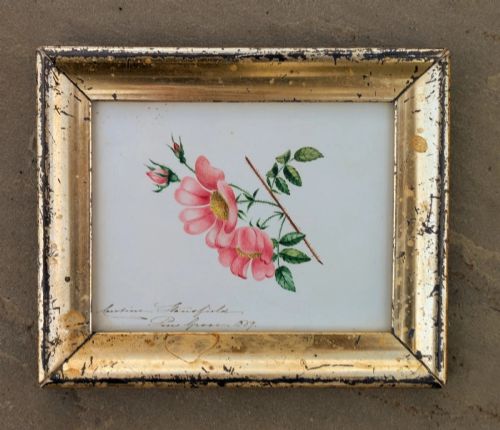
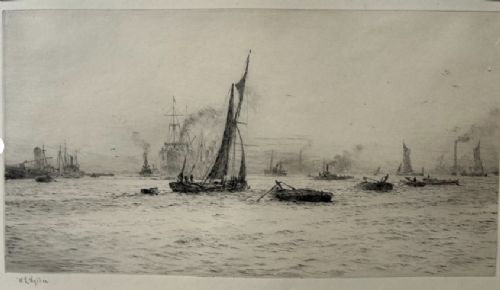
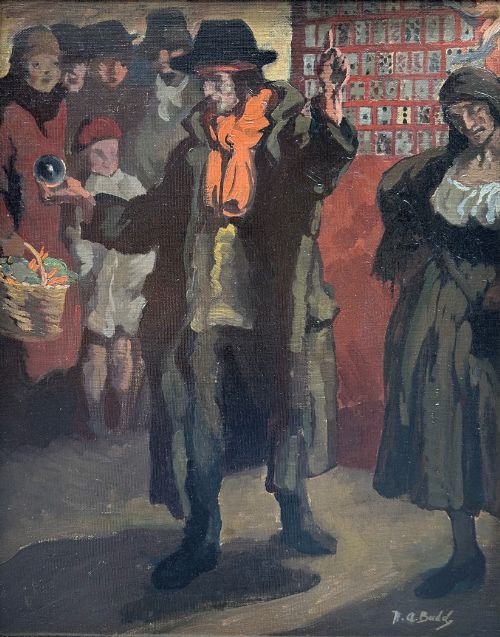
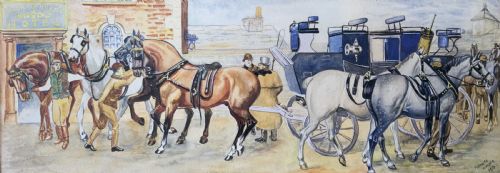
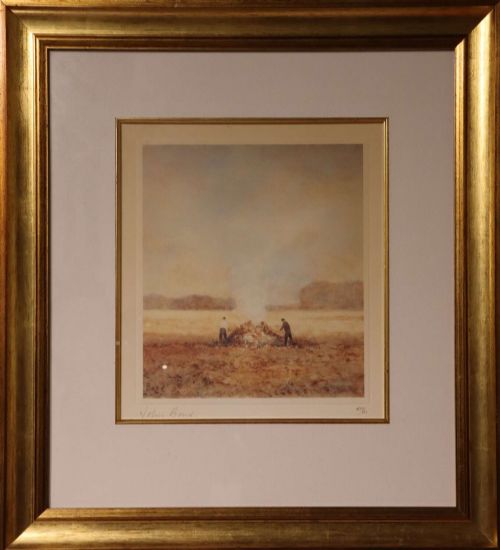
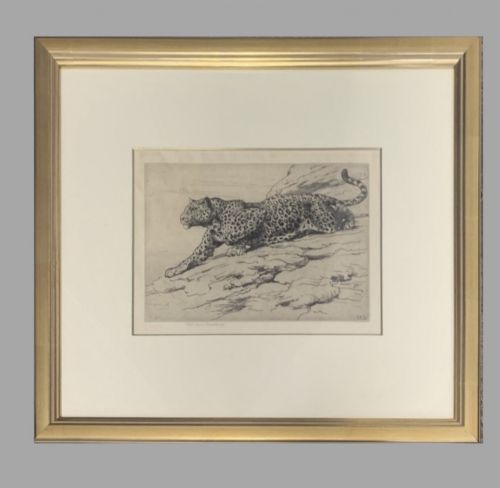
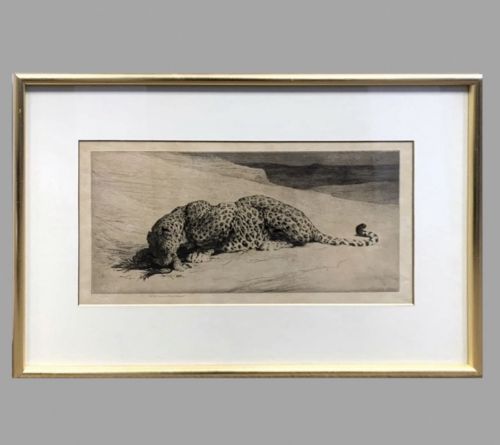
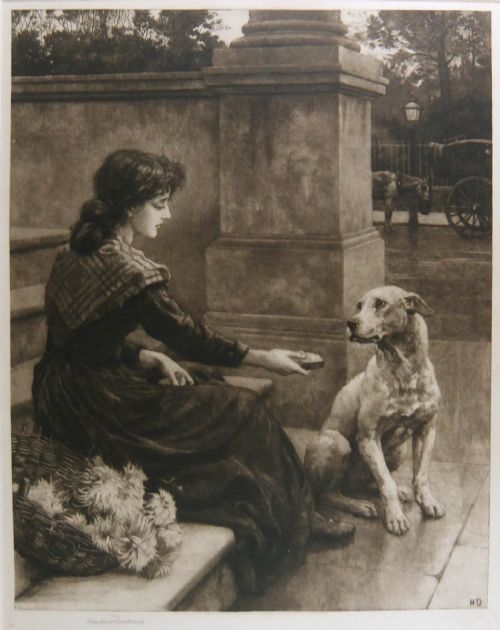
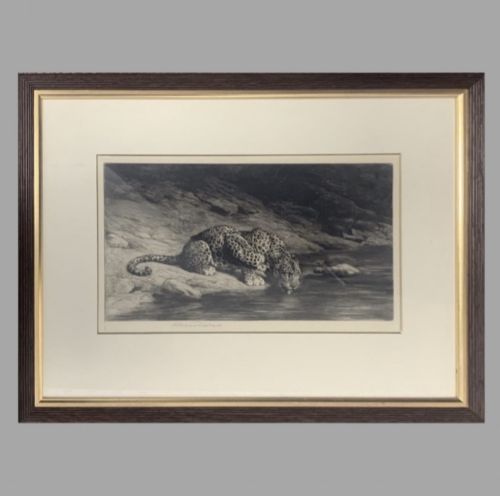
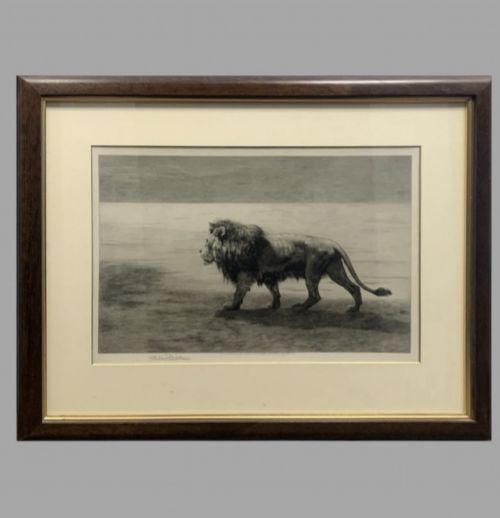
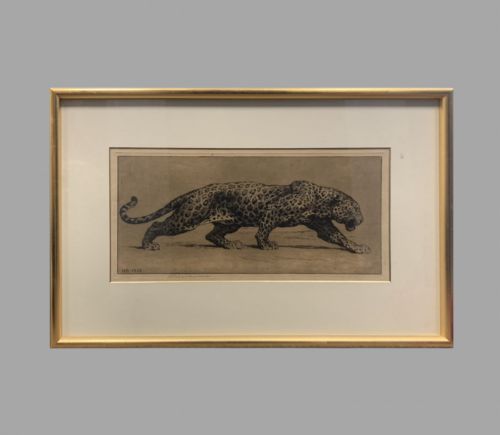
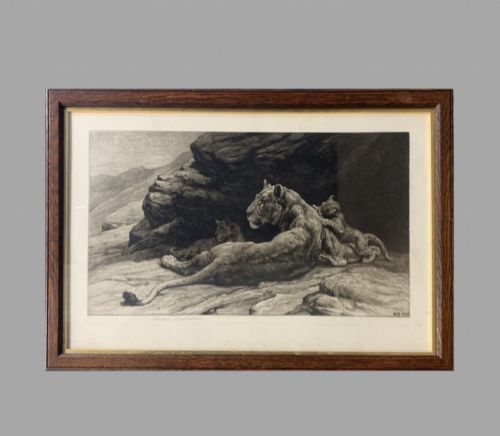
Most examples you meet here take the form of etchings, drypoints, lithographs and woodcuts, alongside occasional watercolours and oil paintings that carry signatures. Subjects range from maritime scenes and animal studies, notably big cats and dogs, to architectural views and rural landscapes.
Materials and methods of production
Makers utilised paper and vellum as the primary surfaces for pulling impressions from inked plates, blocks and stones. Etchings rely on metal plates bitten by acid, while drypoints involve scratching lines directly into the surface to create a characteristic burr.
Woodcuts employ carved wooden blocks where raised areas hold the pigment, and lithographs use prepared stone or metal slabs based on the repulsion of grease and water. Signed impressions frequently appear alongside annotations in pencil denoting artist proofs or limited editions.
Among the menagerie of printed subjects, big cats stride across hillsides while stylish cats and pekingese dogs hold court in portraits.
Distinctions in quality
Quality rests upon the crispness of the impression pulled from the matrix and the clarity of the pencil signature left by the artist. Early proofs pulled before the plate or block shows signs of wear display sharper lines and finer tonal gradations than later impressions.
The choice of high-grade paper or vellum, the strength of the composition and the preservation of the sheet without heavy fading or toning distinguish the finest examples from standard production.
William Lionel Wyllie·Herbert Ashwin Budd·John Bond·Herbert Dicksee·Dame Laura Knight·Anne Goldthwaite·John Merrifield·Augustus Edwin John·Edith E Caswall·Fred Lawson·Frank Wood·Florence Mabel Hollams·Edgar J Maybery·Sir Muirhead Bone·Robin Hill·Albert Terry·Norman Janes·Frank Greenwood·Markey Robinson·CB Prescott·Deidre Borlase·Allen William Seaby·J Beckett·Harry Epworth Allen·Hall Thorpe
The Original Signed Print Glossary
- Etchings
- Intaglio prints produced by applying acid to bite lines into a metal plate. Artists ink the plate and wipe the surface clean before pressing damp paper into the recesses.
- Drypoint
- A printmaking technique where the artist scratches directly into a metal plate with a sharp needle. This action raises a rough ridge of metal called a burr, which holds extra ink to produce a velvety line.
- Lithograph
- A planographic print made from a flat stone or metal plate treated to repel ink except where drawn upon. The process captures fluid, painterly marks directly from the hand of the artist.
- Vellum
- A fine parchment prepared from calfskin, offering a smooth, durable surface for printing. Etchings pulled on vellum often display rich ink absorption and distinct warmth.
- Artist proof
- An impression reserved for the maker outside the numbered edition. These prints often exhibit exceptional clarity and early state details.
Original Signed Print: Frequently Asked Questions
What is an original signed print?
An original signed print is a graphic work where the artist designed and produced the printing matrix and added their signature in pencil beneath the image. This confirms the artist approved the impression.
Unlike mechanical reproductions, these pieces are hand-pulled works of art created in limited numbers.
How do I know a signature is genuine?
Signatures on these works are typically executed in pencil directly below the printed image rather than printed within the plate. They often accompany annotations indicating artist proofs or edition numbers.
Examining the stroke under magnification reveals graphite resting on top of the paper fibres.
What is the difference between an etching and a woodcut?
An etching is created by biting lines into a metal plate with acid, producing fine, delicate marks and indented paper. A woodcut involves carving away a wooden block so that the raised surface accepts the ink.
Woodcuts yield bolder, graphic shapes with distinct grain textures compared to the linear delicacy of metal plate processes.
How should I frame and display these prints?
These works require framing with acid-free mountboard and UV-filtered glass to protect the paper and ink from light damage. Keeping the paper away from direct contact with the glass prevents humidity trapping.
Positioning them away from direct sunlight preserves the tone of the paper and the integrity of the pencil signature.