



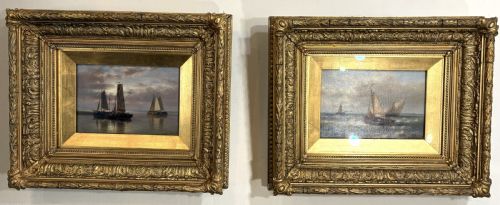


Original Ship Painting
An original ship painting captures the movement of water and canvas through centuries of maritime history.
Original Ship Painting
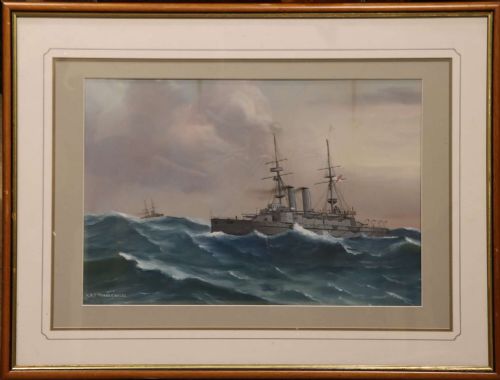
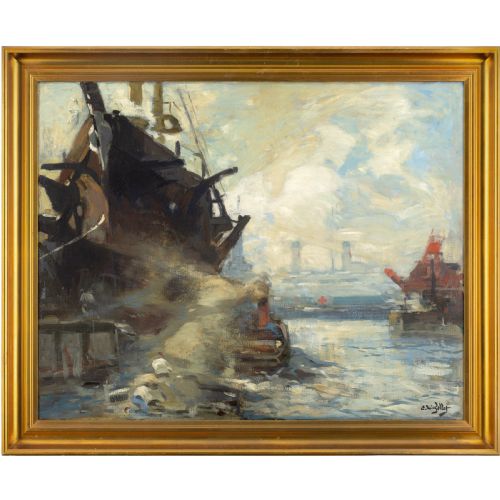
An original ship painting represents maritime scenes, naval engagements, and harbour views executed by hand. Buyers searching for this phrase encounter works spanning from the eighteenth century through to the mid-twentieth century.
The most common examples on this page are nineteenth-century watercolours and oils on canvas or board. These pieces depict vessels ranging from grand warships to working fishing boats in British and European waters.
How they were made
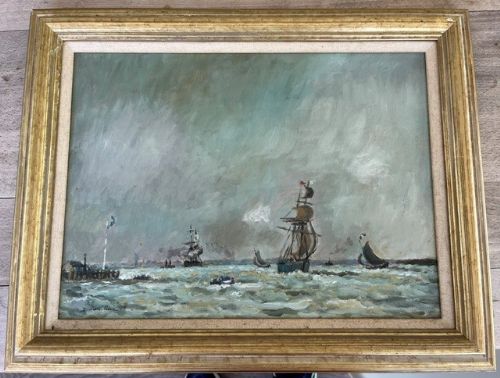
Artists painted these scenes using oil on canvas, oil on board, and watercolour pigment on paper. Canvases were stretched over wooden frames and often housed in gilt frames, while works on paper utilised glass for protection.
Makers applied pigments to capture the atmospheric conditions of the sea, utilising fine brushwork for rigging and bolder strokes for stormy waves.
Original Ship Painting Retail Price Guide 2026
Typical asking prices for original ship painting among the pieces listed under this phrase on Sellingantiques today, from the lower quarter to the upper quarter. They describe what is for sale here now, not the wider market.
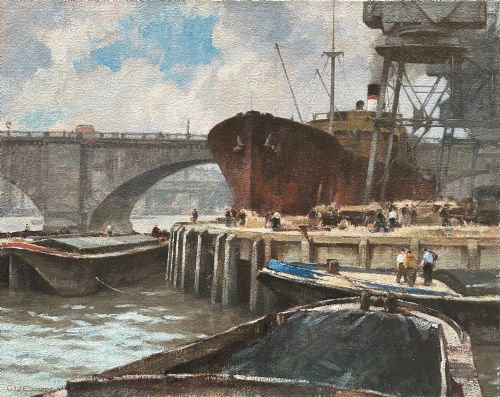
Several artists captured the nautical life while actually standing on solid ground near London Bridge.
What varies in quality
The skill of the hand defines the standard, with superior works demonstrating a precise understanding of maritime architecture and naval perspective. Lesser pieces lack anatomical accuracy in the rigging and hull proportions.
The medium and condition also separate works, as well-preserved watercolours under glass retain their original pigment vibrancy while neglected canvases suffer from darkening varnish and surface craquelure.
Eugène-Louis Gillot·Abraham Hulk I·Thomas Bush Hardy·Paul Jean Clays·Frank William Scarbrough
The Original Ship Painting Glossary
- Gouache
- An opaque water-based paint that dries to a matte finish. It provides heavier coverage than standard watercolour and allows for brighter highlights on sails and water.
- Craquelure
- A network of fine cracks in the paint or varnish surface of an oil painting. It occurs naturally as the paint film ages and hardens over decades.
- Man-Of-War
- A powerful armed sailing warship used by the Royal Navy from the sixteenth to the nineteenth century. These vessels feature prominently in eighteenth and nineteenth-century naval scenes.
- Gilt Frame
- A wooden frame coated with gold leaf or metallic paint. Many period marine paintings retain their original gilt surrounds.
Original Ship Painting: Frequently Asked Questions
How do I date an old ship painting?
Examine the style of the vessels, the clothing of any figures, and the materials used for the support such as canvas or board. Framing techniques and handwritten notes on the reverse also offer clues to the decade of creation.
Matching the subject matter to known historical events or naval registries provides a narrower window of origin.
What is the difference between oil and watercolour marine art?
Oil paintings utilise pigment suspended in drying oil on canvas or wood panels, offering rich colour depth and textured brushwork. Watercolours use water-soluble pigments on paper, resulting in lighter, more translucent atmospheric effects.
Oils generally require a protective frame with canvas backing, whereas watercolours need glazing with glass to prevent moisture damage.
Where should I hang a maritime painting?
Select a wall away from direct sunlight and steady moisture sources to protect organic materials like paper and canvas. Stable room temperatures prevent the expansion and contraction that harms aged wooden boards and gilt frames.
Position the artwork at eye level in a room with balanced ambient lighting to appreciate the fine details of the rigging and sea spray.
How do I care for a framed antique painting?
Dust the frame gently with a dry, soft brush and avoid using chemical cleaners on the painted surface. Ensure the backing boards remain intact to keep out dust and insects.
Consult a professional conservator if the canvas begins to sag or if the paint layer shows signs of flaking.