




Original River Scene Painting
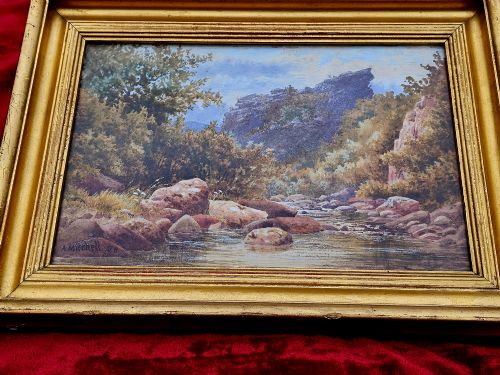
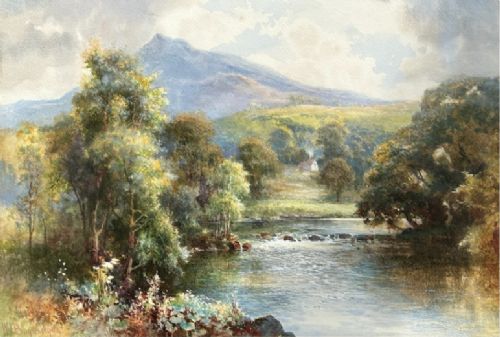
An original river scene painting captures the enduring appeal of moving water, riverbanks and historic bridges through the focused lens of nineteenth and twentieth-century artists.
Original River Scene Painting
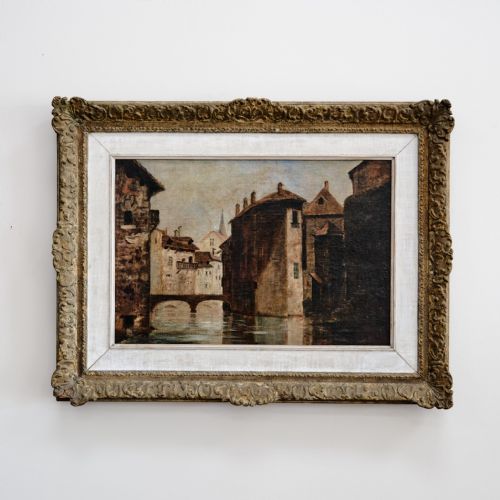
When searching for an original river scene painting, collectors encounter compositions spanning the nineteenth century through to the mid-twentieth century, featuring British, French, Flemish and Dutch landscapes.
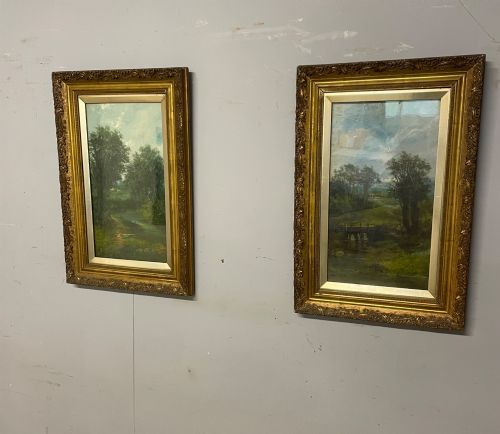
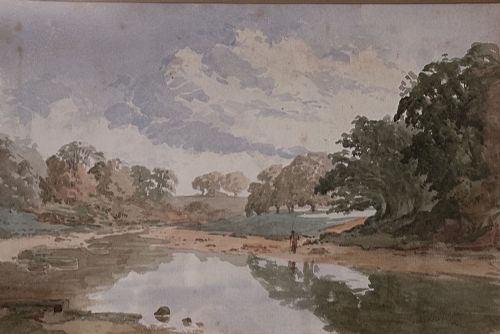
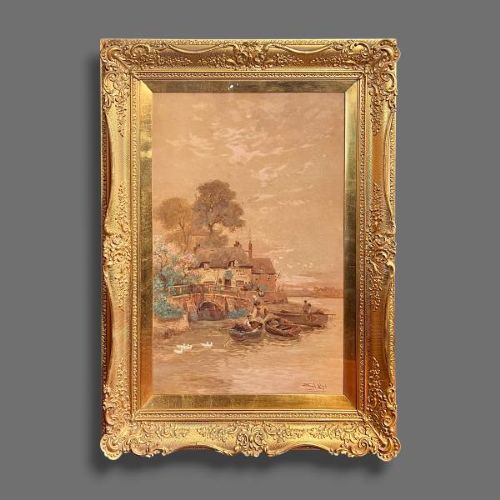
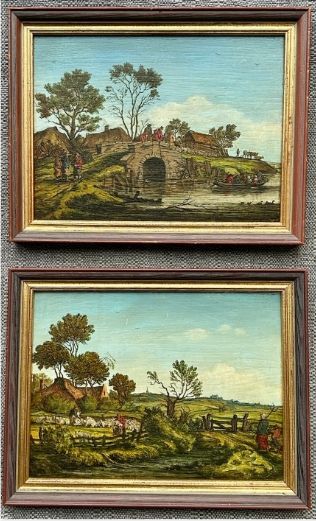
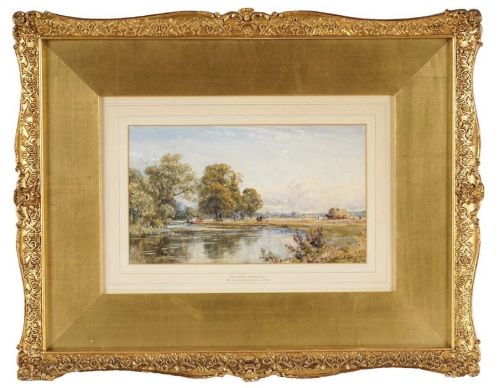
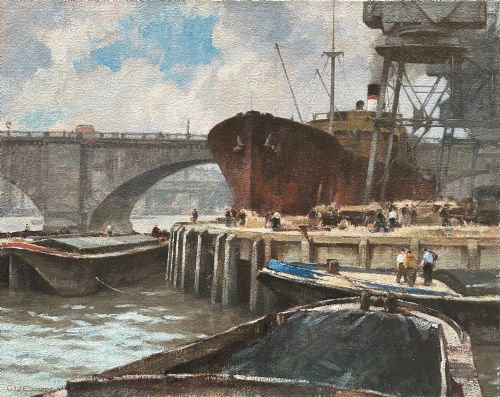
The most common formats on this page are oil paintings on canvas or wood panels and delicate watercolour paintings on paper depicting rural banks, urban bridges and figures fishing by the water.
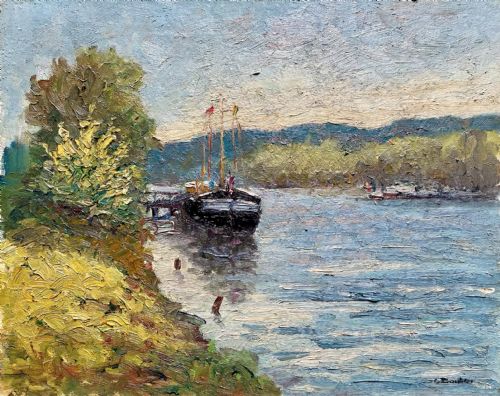
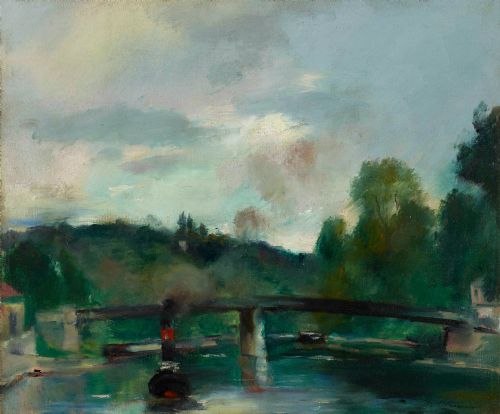
Stylistically, these works range from traditional Victorian pastoral views to Impressionist and Post-Impressionist interpretations that prioritise atmospheric light and loose brushwork.
How They Were Made
Artists utilised oil paint applied to stretched canvas, wooden panels or thick card, often building rich textures with impasto or smoothing thin glazes to capture the glassy surface of a river.
Watercolour paintings rely on washes of pigment applied to paper, sometimes with charcoal or pencil underdrawing to establish the layout of distant hills, boats and riverside cottages.
Many historical pieces retain their original giltwood frames, which complement the surface of the artwork and protect the edges of the canvas or paper support.
Listings feature works from the 1830s through to the 1960s, employing oil, watercolour, charcoal and acrylic on canvas, panel, card and paper.
What Varies In Quality
Quality rests in the artist's handling of light reflecting off water and the balance of the composition, distinguishing spirited plein-air execution from formulaic studio production.
The sensitivity of the brushwork and the preservation of the original pigment vibrancy separate ordinary topographical records from accomplished Impressionist or British school works.
The integrity of the support, whether canvas, panel or paper, alongside the retention of period framing, contributes significantly to the standing of an individual piece.
George Graham·Frederick Marriott·Herbert Royle·Henri Jaques Delpy·Ron Folland
The Original River Scene Painting Glossary
- Impressionism
- A nineteenth-century painting style focusing on accurate depiction of light in its changing qualities and ordinary subject matter.
- Impasto
- The process of applying paint thickly on a canvas so that it stands out from the surface and reveals the movement of the brush.
- Giltwood
- Wood that has been treated with a thin layer of gold leaf or gold paint, commonly found on traditional picture frames.
- Watercolour
- A painting method in which the paints are made of pigments suspended in a water-based solution, typically applied to paper.
- Plein-air
- The act of painting outdoors to capture the direct visual conditions of a landscape under natural light.
Original River Scene Painting: Frequently Asked Questions
How do I date an old river painting?
Dating relies on stylistic clues, clothing of figures near the water, and the materials of the canvas or panel. Examining signatures and framing details often provides a reliable decade.
Archival records and artist exhibition dates help narrow the timeline for signed British and French landscape works.
Where were most of these landscapes painted?
The subjects include rural Welsh rivers, Thames Valley waterways, French Norman rivers and Flemish pastoral scenes. Artists frequently travelled to scenic riverbanks to sketch on location.
Local landmarks such as bridges, watermills and churches frequently appear in the titles, aiding identification.
How should I hang a vintage oil painting?
Hang paintings away from direct sunlight and sudden temperature shifts to protect both the canvas and the wooden stretcher. Ensure the wall fixings match the weight of the frame.
Keep watercolours behind protective glass with conservation backing to prevent paper degradation over time.
What is the difference between oil and watercolour river scenes?
Oil paintings use heavy pigment suspended in oil on canvas or wood, offering rich texture and deep colour saturation. Watercolours utilise transparent washes on paper for a lighter, more luminous effect.
Oils are generally more robust, whereas watercolours require careful framing behind glass to prevent moisture damage.