



Original Pastel Picture
An original pastel picture brings dry pigment to paper, capturing light and texture with immediate, unretouched strokes that appeal to collectors of historic works on paper.
Original Pastel Picture
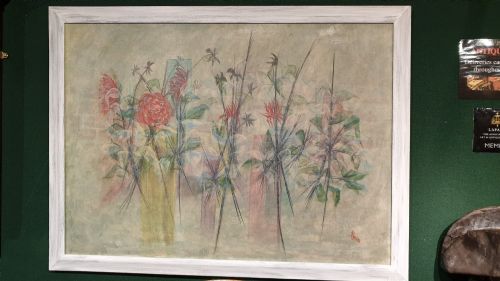
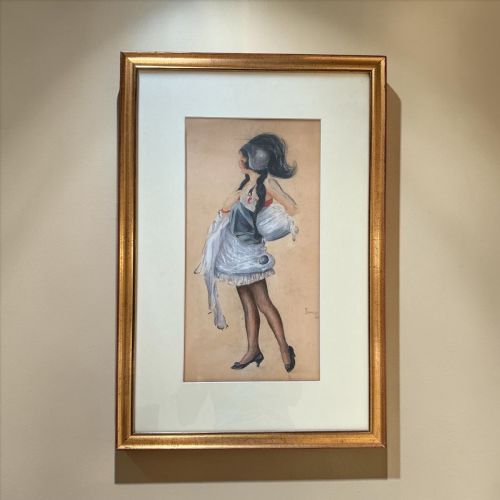
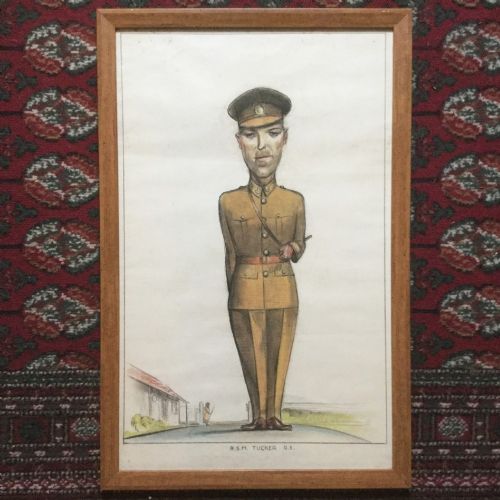
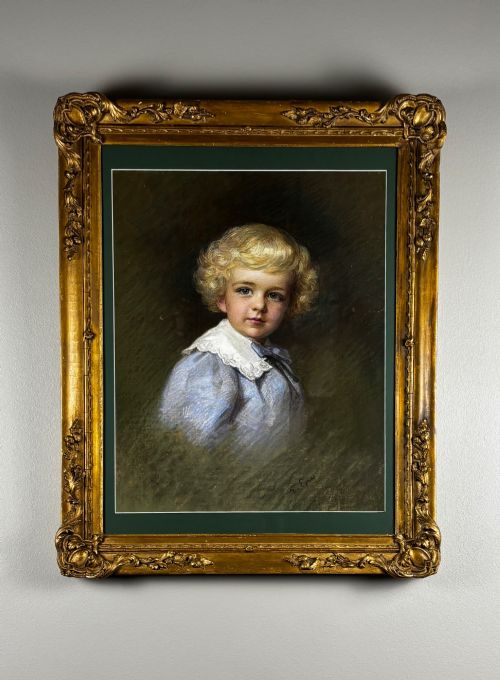
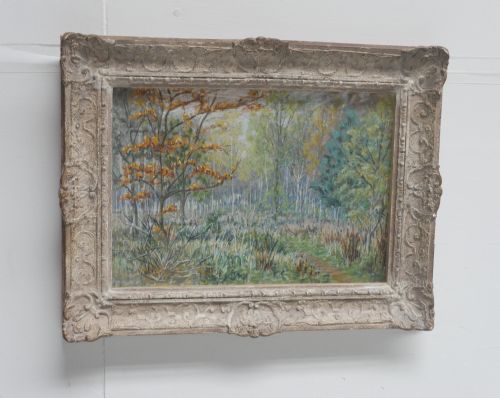
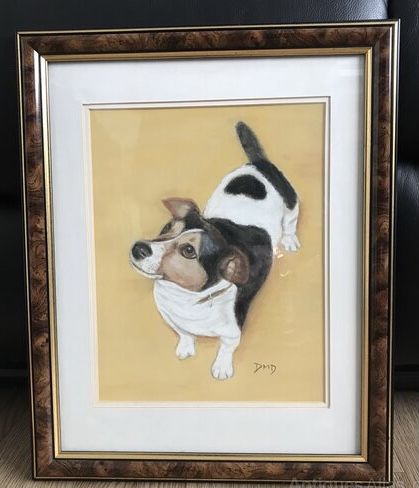
When you search for an original pastel picture, you encounter works spanning from the Victorian era through the mid-twentieth century, embracing Edwardian subjects and post-impressionist scenes. These pieces encompass portraits of people and animals, maritime harbours, rolling landscapes, and intimate still lifes.
The format typically arrives framed under glass to protect the friable pigment surface from disturbance. You meet both delicate domestic studies and expansive topographical views executed across various decades of the nineteenth and twentieth centuries.
Materials and technique
Artists form an original pastel picture using sticks of compressed pigment, frequently combining pastel with gouache, watercolour, chalk, or ink on paper or coloured paper supports. Some compositions layer pastel over lithograph or incorporate charcoal outlines to define the subject before applying colour.
The friable nature of dry pigment requires protection behind glass, often housed within wooden or gilt wood frames that preserve the delicate surface texture against smudging and environmental moisture.
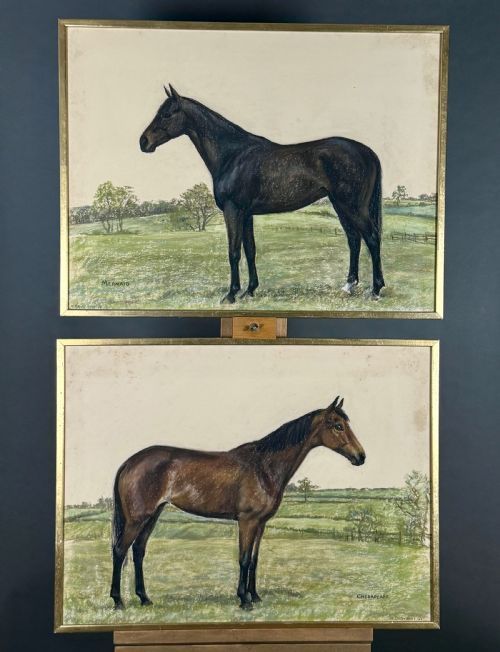
Several artists chose cats, horses, and farm hens as their subjects, ensuring historic livestock and pets gaze across the centuries.
Variations in quality
The distinction between works rests on the sureness of the hand and the fidelity of the tonal capture, separating hurried sketches from resolved compositions with strong draughtsmanship. Named artists and documented exhibition pieces command greater attention through their accomplished handling of light and form.
Condition also plays a vital role, distinguishing works that retain their original vibrance and secure mounting beneath glass from examples suffering from pigment loss or paper acidification.
Emily Eyres·John Rattenbury Skeaping·Cecil Charles Windsor Aldin·Gyrth Russell·John Hobson Nicholson·Berthe des Clayes·Denis William Reed·Lena M Alexander·Jennifer Toombs·Josiah Gilbert·Sonia Lawson R.A.
The Original Pastel Picture Glossary
- Pastel
- A dry painting medium consisting of powdered pigment and a binder rolled into sticks. It allows artists to apply pure, unblended colour directly to paper.
- Gouache
- An opaque water-based paint often used alongside pastel to add highlights and solid areas of tone. It provides a dense, matte finish.
- Support
- The physical surface, such as paper or coloured paper, upon which the pastel drawing is executed. The tone of the support often contributes to the final colour harmony.
- Gilt wood
- Wood framing finished with a thin layer of gold leaf or metallic gilt. It frequently encases antique works on paper to complement the visual weight of the art.
Original Pastel Picture: Frequently Asked Questions
Where should I hang a pastel artwork?
Select an interior wall that receives indirect illumination, away from direct sunlight and damp environments such as kitchens or unheated spaces.
Ultraviolet rays and excessive humidity cause paper supports to degrade and delicate pigments to fade over time.
Are pastels drawings or paintings?
Art historians and collectors classify pastels as both, depending on the density of the pigment coverage and the technique employed by the artist.
Works where the paper remains largely visible function as drawings, while heavy layering that completely covers the support aligns more closely with painting.
How can I date an antique pastel?
Examine the framing materials, backing papers, and any signatures, dates, or inscriptions left by the artist on the front or reverse of the work.
Stylistic markers, such as Edwardian costume or mid-century modernist abstraction, provide further evidence to narrow the date of creation.