

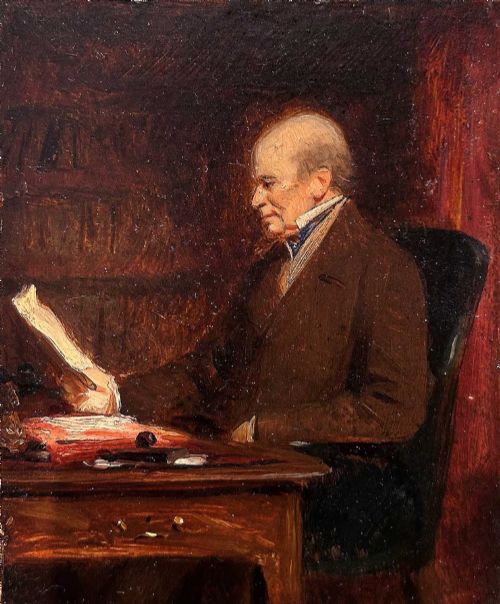
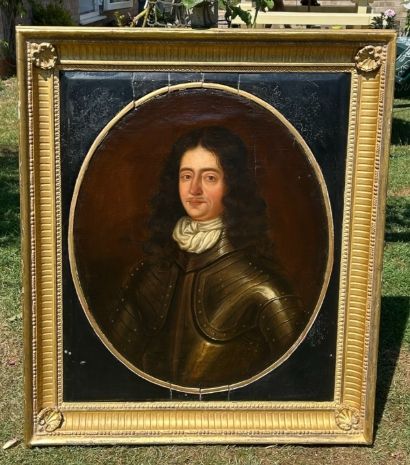

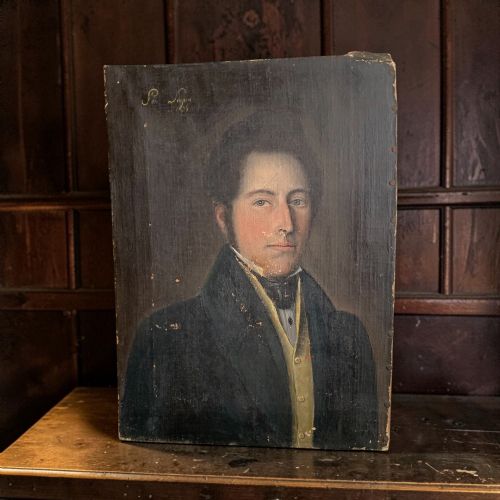
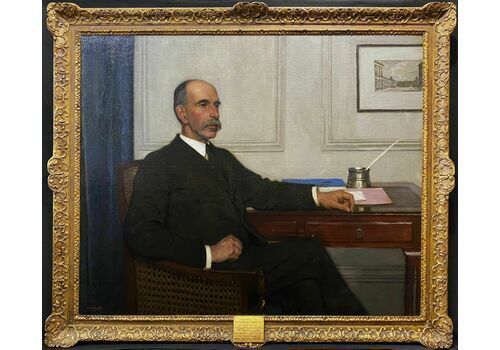


Original Oil Portrait Gentleman
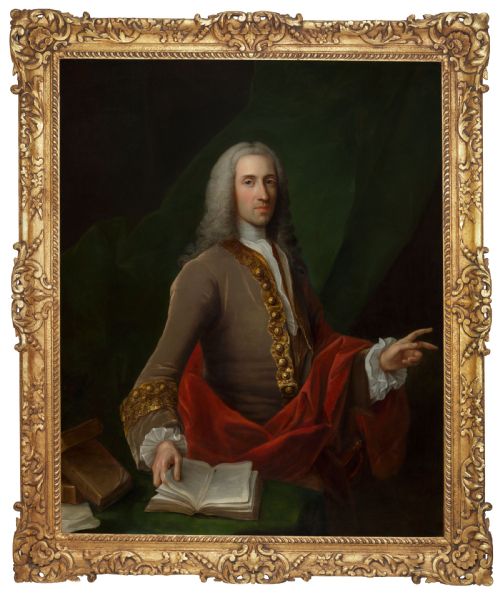
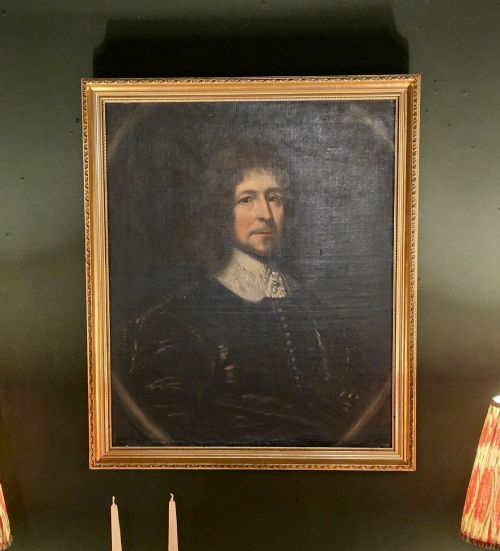
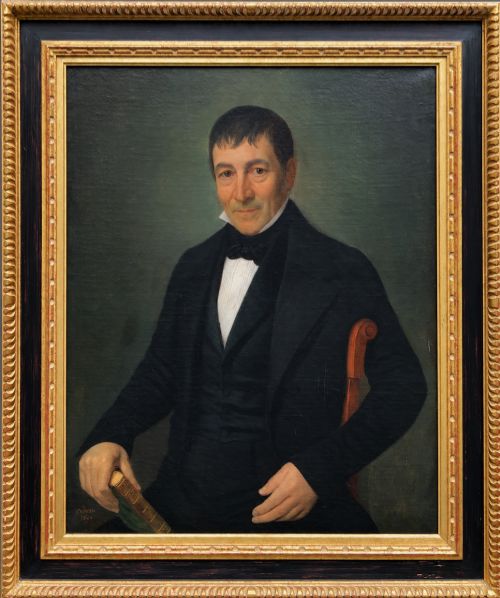
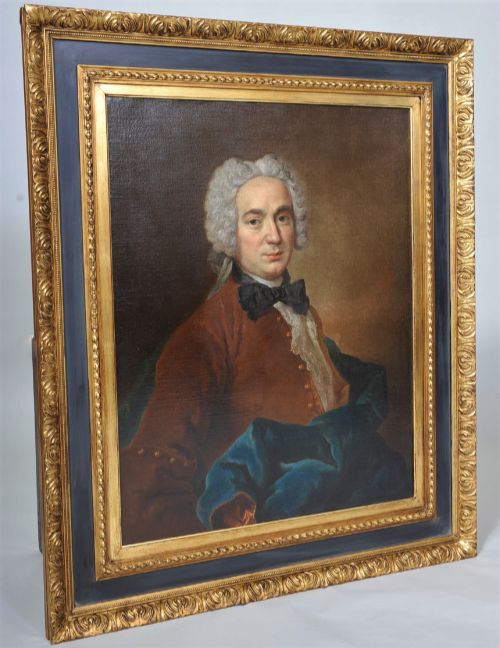
An original oil portrait gentleman captures the presence of an individual through historical layers of oil paint on canvas, wood, or metal panel.
Original Oil Portrait Gentleman
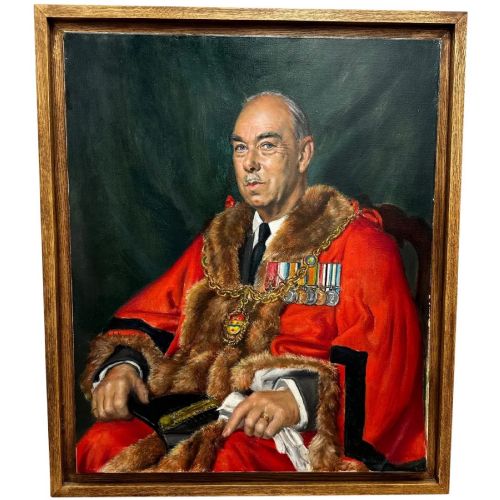
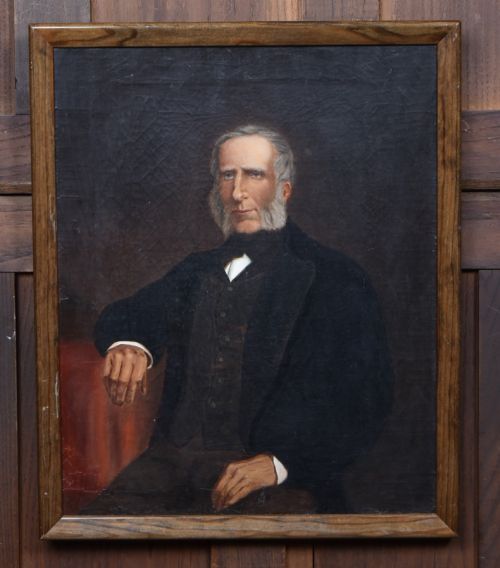
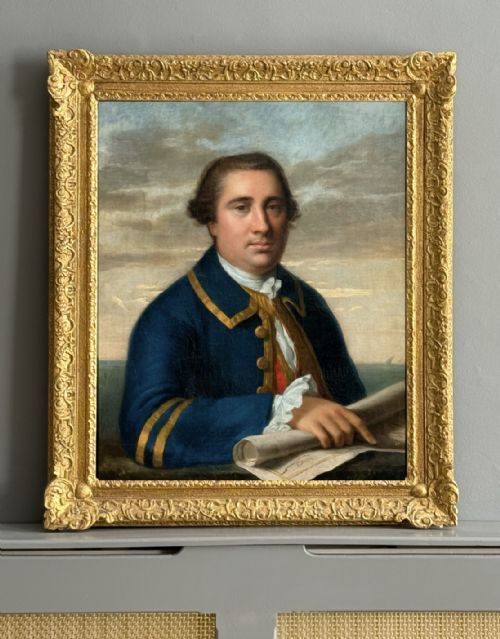
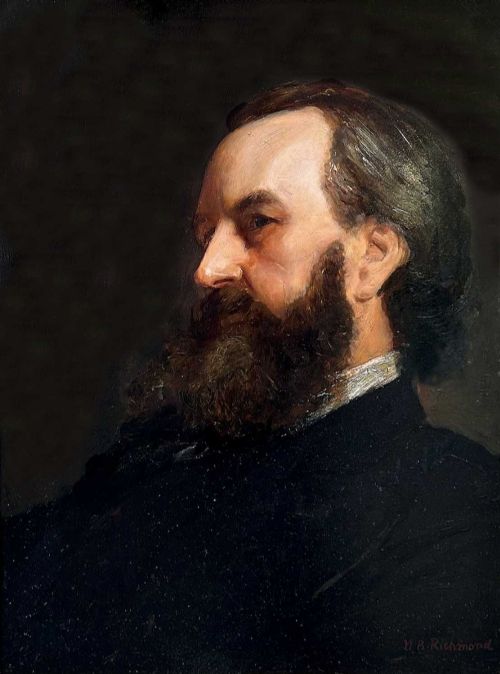
An original oil portrait gentleman represents a traditional form of fine art found across multiple centuries, ranging from eighteenth-century Georgian and Regency depictions to Victorian and twentieth-century realizations. These works portray figures from various walks of life, including merchants, naval captains, physicians, clergymen, and distinguished individuals captured in oil paint.
The pieces available span various formats, from large canvas paintings in ornate giltwood frames to smaller portrait miniatures and works executed on wood or board. Many examples preserve the likeness of identifiable historical subjects alongside anonymous sitters recorded by British and continental European schools.
How they were made
These portraits were executed using oil paint applied to supports such as canvas, wood panel, copper, or board, often secured within period gilded wood or ebonised frames. Artists built up the compositions through layered pigments, capturing facial expressions, textiles, and background details with varying degrees of brushwork precision.
Support methods evolved over time, with canvases occasionally laid onto board or wood panels during later restorations. Many works retain their unlined original canvas or original frames, providing physical evidence of their period framing and mounting techniques.
Original Oil Portrait Gentleman Retail Price Guide 2026
Typical asking prices for original oil portrait gentleman among the pieces listed under this phrase on Sellingantiques today, from the lower quarter to the upper quarter. They describe what is for sale here now, not the wider market.
Several gentlemen managed to sneak tobacco, pipes, tricorn hats, and sporting guns into their sittings.
What varies in quality
Quality in these portraits rests upon the skill of the execution, from the anatomical accuracy and psychological depth in the rendering of the sitter's face to the handling of fabrics and lighting. Works by documented academic painters or skilled portraitists display superior draughtsmanship and nuance compared to more formulaic provincial school pieces.
The preservation of the paint surface and the originality of the frame also determine the standing of a piece. Retaining an original gilt carved frame or an untouched canvas surface adds integrity to the historical object.
Bernard Hailstone·Robert Heinrich·Lemuel Francis Abbott·James Howe·William Blake Richmond·Stephen Pearce·Harold Knight·Jules Rambo·George Hayter·Arthur Spooner·Richard Cosway·James Archer·Charlotte Blakeney Ward·Sir James Guthrie·Michael Dahl·John Hunter Thompson·Henry John Dobson·Bennett Hubbard·AMJ Dodsley·Moussa Ayoub·Elias M Bancroft
The Original Oil Portrait Gentleman Glossary
- Oil on canvas
- Pigment mixed with drying oil applied to a woven fabric stretched across a wooden frame. This support became standard for European easel painting from the Renaissance onward.
- Giltwood
- Wood carved and coated with a thin layer of gold leaf or gilt powder. Frames of this material often accompany formal portraits from the eighteenth and nineteenth centuries.
- Portrait miniature
- A small-scale painting designed for intimate viewing or portable display. These works frequently captured detailed facial likenesses on small panels, copper, or ivory.
- Georgian
- Pertaining to the period of the British monarchs named George covering the eighteenth and early nineteenth centuries. Portraits from this era often reflect neoclassical or formal portraiture conventions.
- Victorian
- Relating to the reign of Queen Victoria, spanning the mid to late nineteenth century. Paintings from this period show diverse realist and academic approaches to individual character study.
Original Oil Portrait Gentleman: Frequently Asked Questions
How can I date an oil portrait?
Dating relies heavily on the sitter's costume, hair style, and collar shape, which followed strict period fashions. Examining the canvas preparation, stretcher construction, and frame style provides additional physical clues.
Inscriptions on the reverse or documented provenance further help narrow the decade of creation.
How should I display an oil portrait at home?
Oil portraits suit traditional studies, living rooms, and libraries, often hung at eye level to replicate historical viewing heights. They require stable wall spaces away from direct sunlight and excessive humidity changes to protect the paint and canvas.
Pairing the work with a compatible period giltwood frame enhances its integration into a traditional interior.
Are all sitters identified in these paintings?
Many portrait subjects remain anonymous, recorded only as a gentleman or merchant due to lost family records or lack of contemporary inscriptions. When names, titles, or professions are known, they are usually documented on stretcher bars, frame plaques, or accompanying biographical notes.
Anonymous portraits were often produced as commission pieces or representative types for domestic display.