

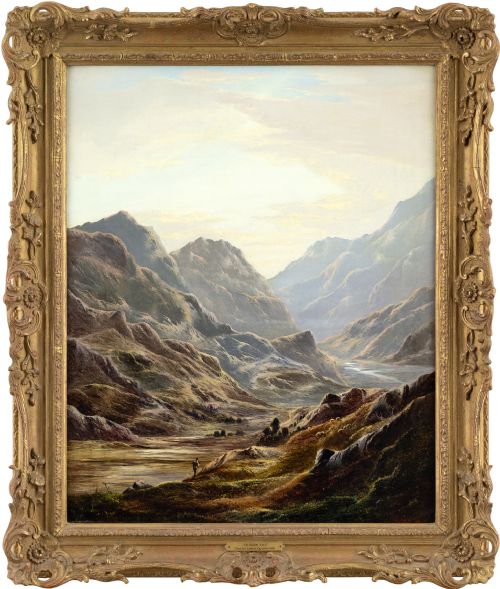


Original Mountain Painting
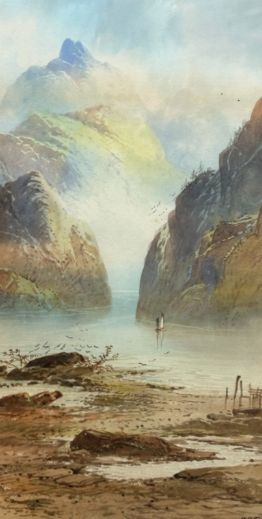
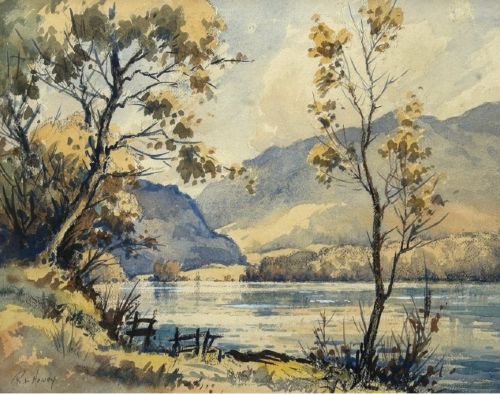
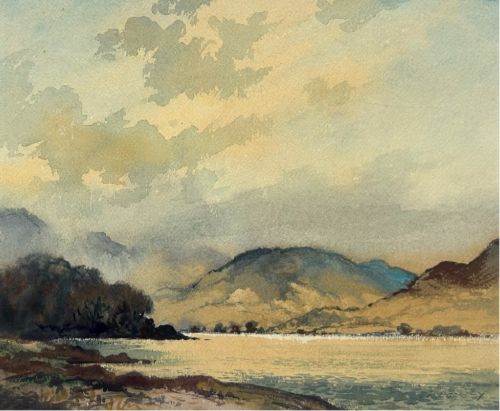
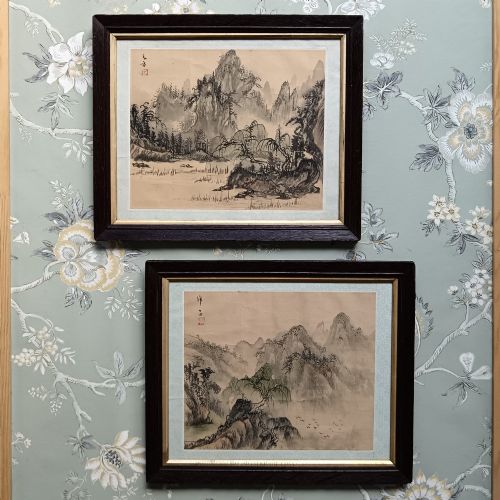
When you search for an original mountain painting, you are looking at topographies captured in oil, watercolour, and silk across the nineteenth and twentieth centuries.
Original Mountain Painting
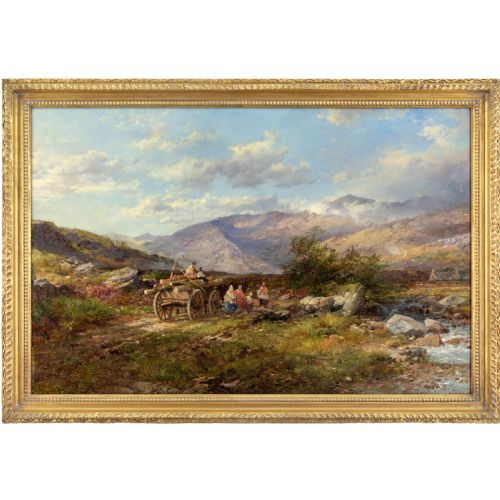
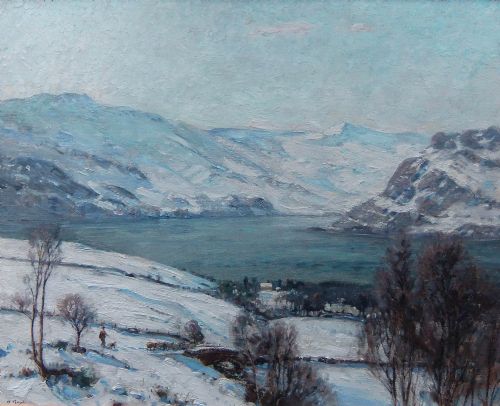
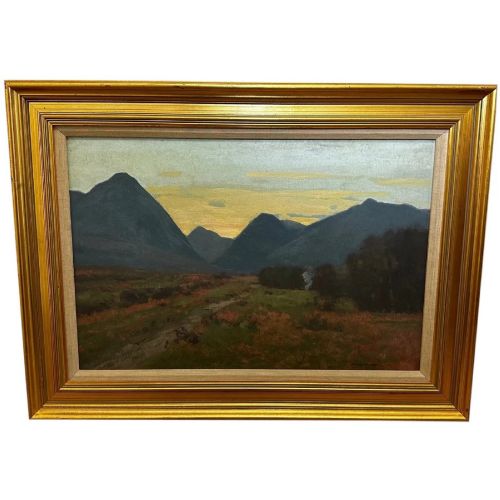
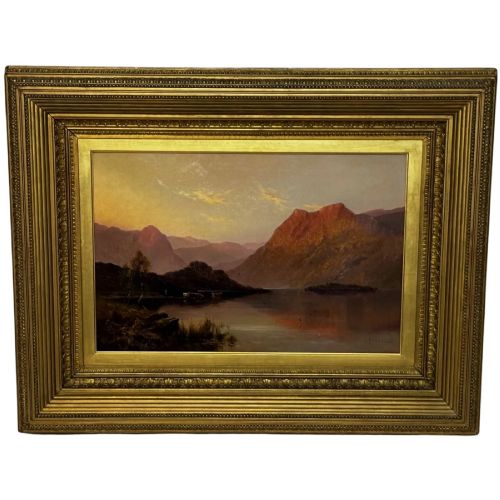
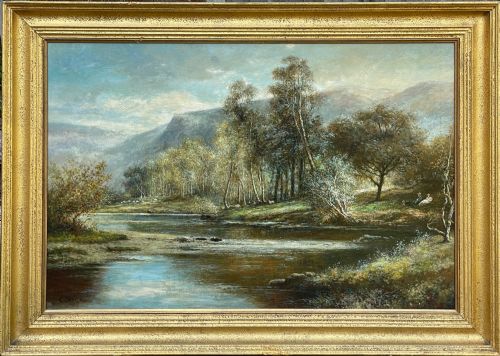
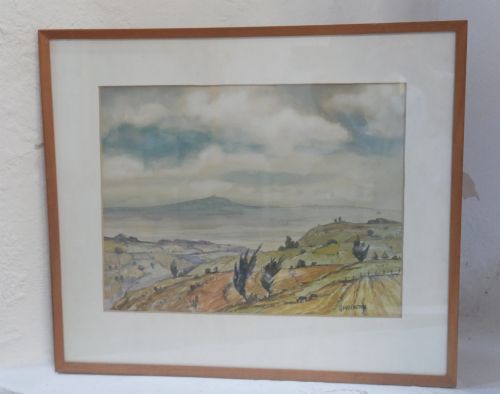
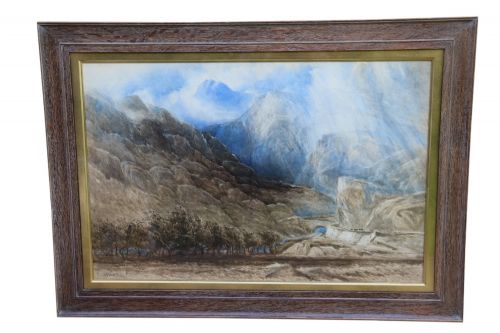
An original mountain painting depicts high-altitude landscapes, glacial valleys, and highland passes through various historical lenses. The works on this page span from nineteenth-century British and Continental watercolours to twentieth-century oil paintings on canvas and board.
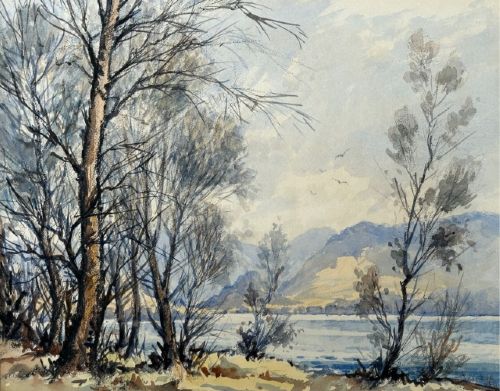
Buyers commonly encounter Victorian and Edwardian scenes alongside mid-twentieth-century watercolours of the English Lake District and Scottish Highlands. These compositions often record specific named peaks, lakes, and passes across Britain, Europe, and beyond.
The format ranges from intimate framed watercolours under glass to large oil paintings housed in original gilt frames. Each piece records a distinct artistic response to elevated terrain, whether through traditional British school realism or regional impressionism.
Materials and technique
Painters used oil on canvas, oil on panel, and watercolour on paper, frequently framing finished works in gilt wood or glass-fronted surrounds. The choice of medium dictates the texture of the crags and the atmospheric rendering of mountain mists and skies.
Watercolour pieces rely on pigment applied to paper to capture the translucent quality of light over lakes and valleys. Oil paintings build up impasto and layered glazes to achieve depth in depictions of distant ranges and highland cattle.
Original Mountain Painting Retail Price Guide 2026
Typical asking prices for original mountain painting among the pieces listed under this phrase on Sellingantiques today, from the lower quarter to the upper quarter. They describe what is for sale here now, not the wider market.
Even a quiet day in the mountains includes a passing shower over Snowdon or cattle wandering by Loch Tay.
Assessing quality
Quality rests in the fidelity of topographical observation and the handling of atmospheric light across peaks and water. Superior works manage scale and depth convincingly, whereas lesser pieces flatten the composition and lose the specific character of the terrain.
The integrity of the original frame and the clarity of the artist's hand contribute to the standing of a piece. Signed works with documented provenance maintain stronger connections to their historical context.
John Syer RI·Herbert Royle·William Henry Earp·Alfred Fontville de Breanski Jr·Robert Leslie Howey·George Houston RSA RSW·Charles Leslie·Henry Martin Pope·William George Tennick·John Grenville Fennell·William Hoggatt·Frank Hider·C Caldwell·William Grant Murray·John Douglas Perrett·Edward Horace Thompson·Stanley Orchart·Thomas Lound·James H Hulse·George Melvin Rennie·William Miller Frazer RSA·Alfred de Breanski
The Original Mountain Painting Glossary
- Watercolour
- A paint consisting of spherical pigment particles suspended in a water-based solution. It is applied to paper to create translucent washes of colour.
- Oil on canvas
- A painting medium where pigments are bound with drying oils and applied to a stretched fabric support. This technique allows for rich texture and deep tonal variation.
- Gilt frame
- A wooden protective border coated with gold leaf or metallic paint. These frames frequently accompany nineteenth-century oil paintings to enhance their visual weight.
- Scottish Impressionism
- A regional painting style focused on natural light and loose brushwork. Artists working in this manner recorded northern landscapes and coastal scenes with vibrant palettes.
Original Mountain Painting: Frequently Asked Questions
How do I date a mountain painting?
Examine the style of the frame, the backing materials, and any signatures or inscriptions on the reverse of the canvas or paper.
Victorian and Edwardian works often feature specific framing conventions and handwritten labels that help place the creation era.
Where were these landscape views painted?
The subjects range widely across the British Isles, including Snowdonia, the Lake District, the Scottish Highlands, and various Alpine and Italian locations.
Artists frequently inscribed the exact location, such as a specific glen or lake, directly onto the front or back of the work.
Are these paintings glazed?
Works executed in watercolour are typically framed and glazed behind glass to protect the paper surface from environmental moisture and dust.
Oil paintings on canvas or board are usually left unglazed to allow the textured surface of the paint to remain visible.
How should I hang a framed oil painting?
Support heavy oil paintings and their gilt frames using appropriate wall fixings secured directly into studs or masonry.
Position the work away from direct sunlight and fluctuating heat sources to protect both the canvas and the wooden frame over time.