

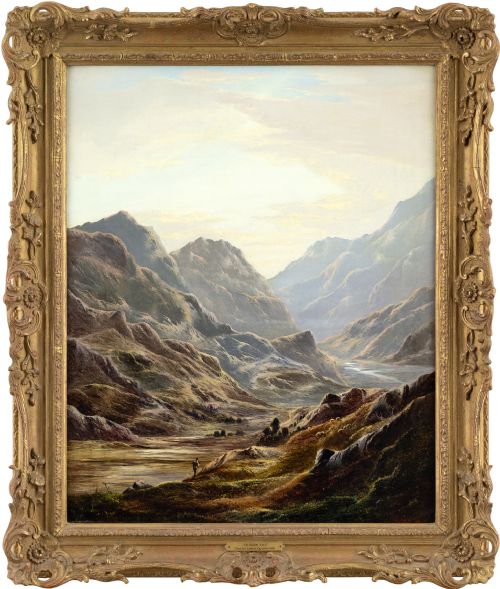


Original Mountain Landscape
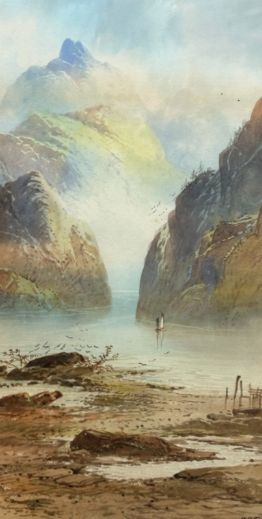
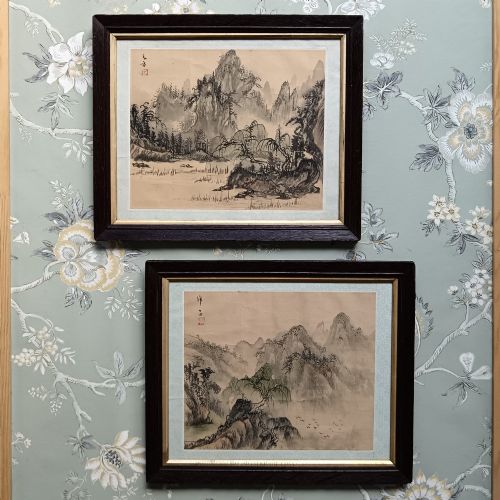
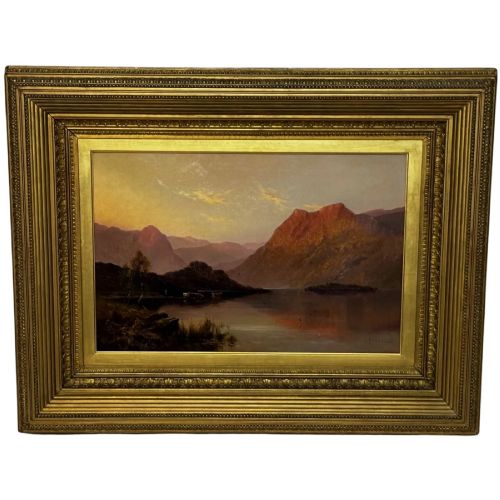
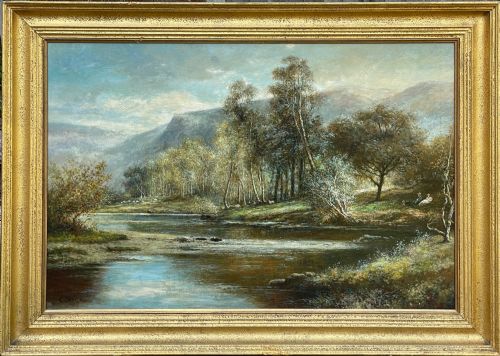
An original mountain landscape captures rugged peaks and distant horizons, offering the timeless atmosphere of high-altitude scenery through traditional brushwork.
Original Mountain Landscape
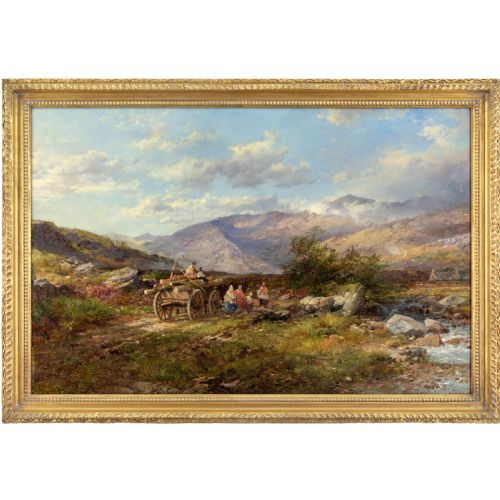
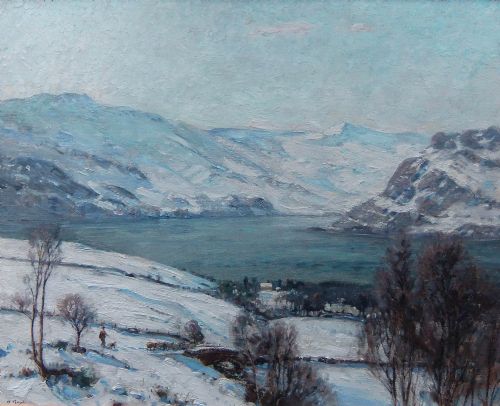
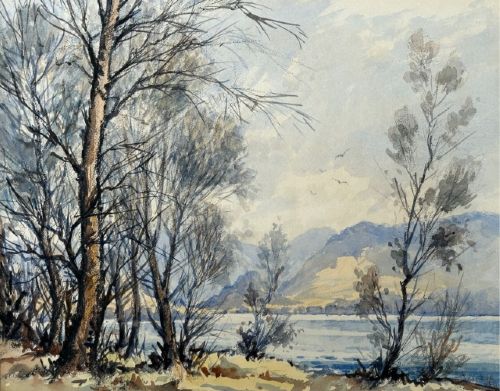
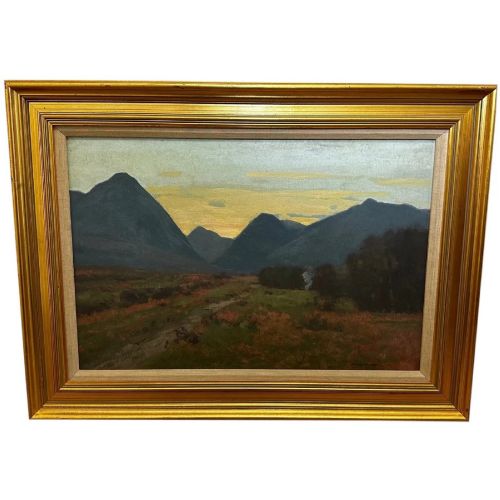
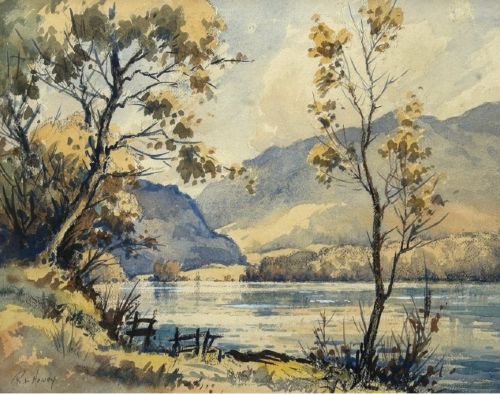
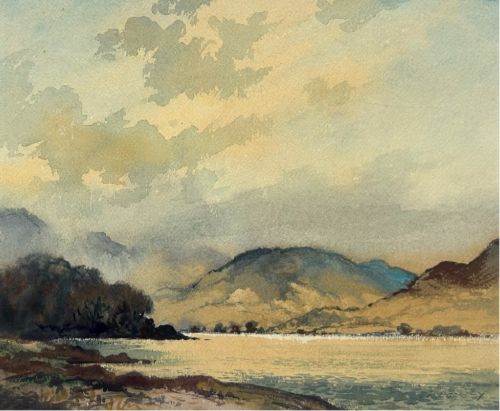
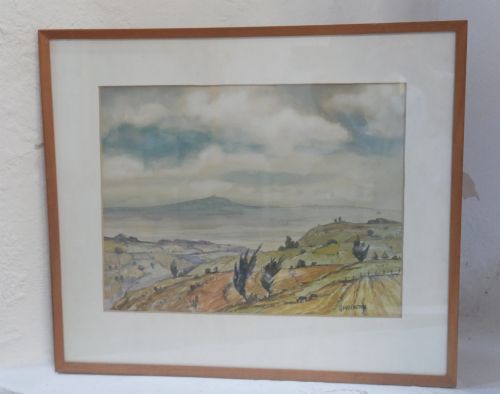
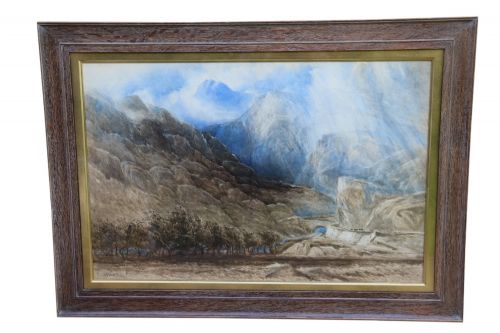
When you search for an original mountain landscape, you encounter works that depict peaks, lochs, and valleys from various historical periods. The selection ranges from nineteenth-century British school oils to mid-twentieth-century watercolours of the Lake District and Scottish highlands.
You are most likely to meet framed oil paintings and watercolours on paper depicting recognizable topography such as Snowdonia, the Cumbrian hills, and alpine scenes. These pieces frequently feature signed compositions by regional artists working within traditional landscape traditions.
How They Were Made
Artists painted these scenes primarily using oil on canvas, oil on panel, or watercolour on paper, often housed within original gilt frames. Watercolours are typically mounted behind glass to protect the delicate paper support from environmental moisture.
The technique relies on layered brushwork to build atmospheric depth, capturing changing weather over mountain ranges through varied pigment application and fine pen-and-ink detail.
Original Mountain Landscape Retail Price Guide 2026
Typical asking prices for original mountain landscape among the pieces listed under this phrase on Sellingantiques today, from the lower quarter to the upper quarter. They describe what is for sale here now, not the wider market.
Current listings span the nineteenth and twentieth centuries, featuring paper, canvas, wood, and glass materials across oil and watercolour mediums.
What Varies in Quality
The strength of the composition and the artist's ability to render light and atmospheric perspective separate standard topographical records from superior artistic achievements. Handling of distant mists, water reflections, and craggy textures dictates the overall visual impact.
Condition of the medium also plays a role, as watercolours preserved without fading or foxing retain greater visual clarity, while oil paintings benefit from stable canvases and well-preserved original gilt frames.
John Syer RI·Herbert Royle·William Henry Earp·Alfred Fontville de Breanski Jr·Robert Leslie Howey·George Houston RSA RSW·Charles Leslie·Henry Martin Pope·William George Tennick·John Grenville Fennell·E Brown·William Hoggatt·Frank Hider·C Caldwell·William Grant Murray·John Douglas Perrett·Edward Horace Thompson·Stanley Orchart·Thomas Lound·James H Hulse·George Melvin Rennie·William Miller Frazer·Alfred de Breanski
The Original Mountain Landscape Glossary
- Oil on canvas
- Pigment suspended in drying oil applied to a woven fabric stretched across a wooden frame. This medium allowed artists to work with rich textures and deep colour saturation.
- Watercolour
- A paint consisting of colorants suspended in a water-soluble vehicle, traditionally applied to paper. It permits translucent washes that capture luminous skies and mountain mists.
- Gilt frame
- A wooden framing structure coated in gold leaf or metallic paint. These often accompany nineteenth-century oil paintings and add decorative weight to the artwork.
- Scottish Impressionism
- A painting style developed by artists focusing on light, colour, and loose brushwork applied to northern landscapes. It marks a departure from rigid academic realism towards more expressive outdoor observation.
- Provenance
- The documented history of ownership associated with an artwork. Establishing provenance helps confirm the origin, attribution, and authenticity of historical paintings.
Original Mountain Landscape: Frequently Asked Questions
Are these paintings signed by the artists?
Many pieces feature artist signatures, monograms, or period inscriptions either directly on the front canvas or recorded on the reverse. Signed works often provide clearer links to specific regional schools.
Unsigned works from the nineteenth century frequently attribute to broader regional schools based on style, technique, and subject matter.
What framing is typical for these artworks?
Oils frequently appear in heavy, decorative gilt frames that reflect nineteenth-century display preferences. These frames can be original to the canvas or added later in the lifespan of the piece.
Watercolours are typically housed behind glass within timber frames, often accompanied by card mounts that separate the delicate paper from the glazing.
How do I identify a Victorian mountain scene?
Victorian mountain paintings often dramatize natural scenery with atmospheric weather effects, moody skies, and romantic lighting. Cattle or human figures frequently appear in the foreground to establish scale against massive peaks.
Palette choices in this era tend toward rich, earthy tones contrasted with luminous highlights on distant summits.