



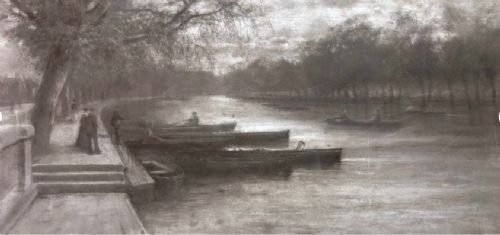
Original Landscape Painting on Paper
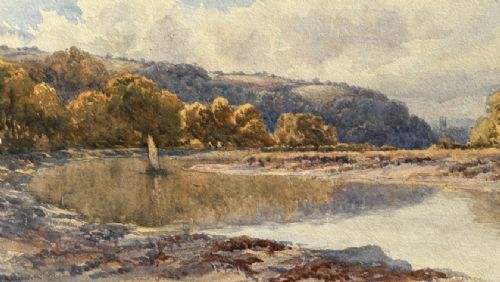
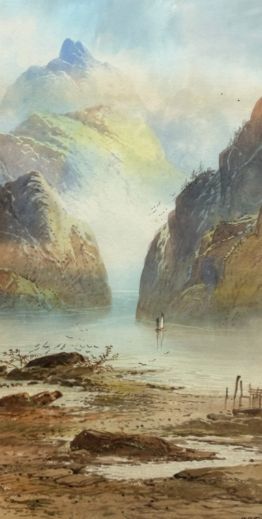
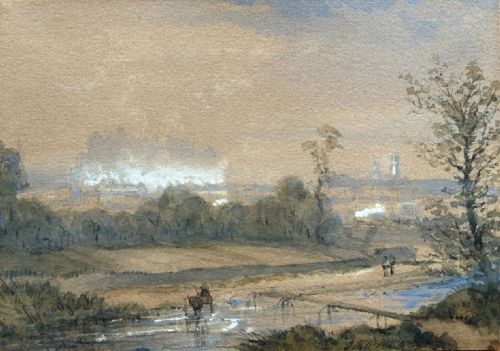
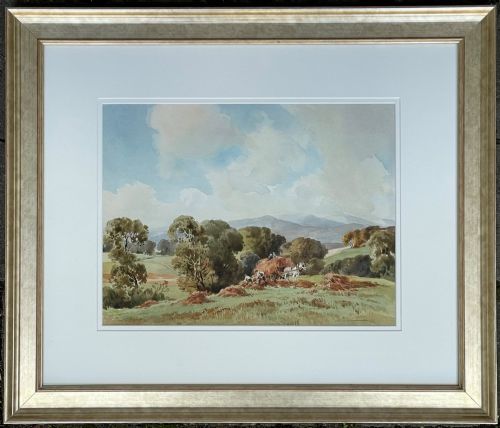
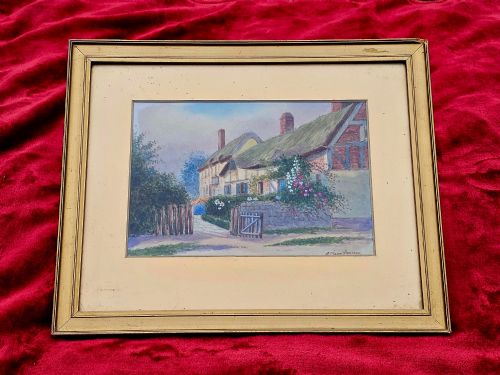
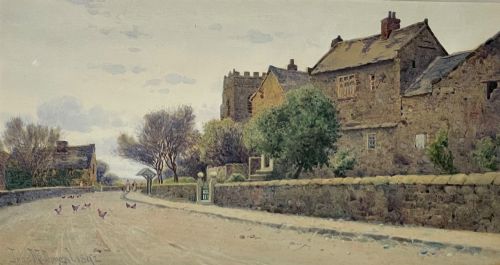
An original landscape painting on paper captures the shifting light of coasts, rivers, and fields through the delicate touch of watercolour, pastel, and ink.
Original Landscape Painting on Paper
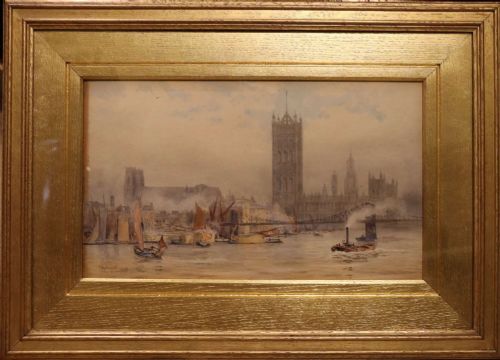
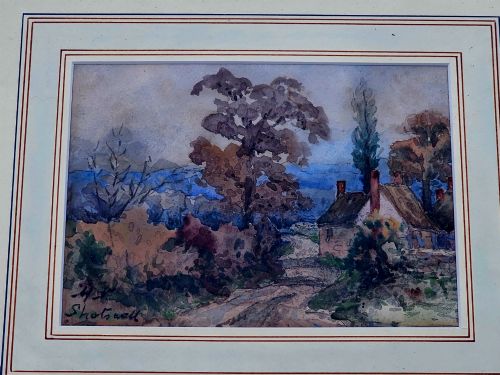
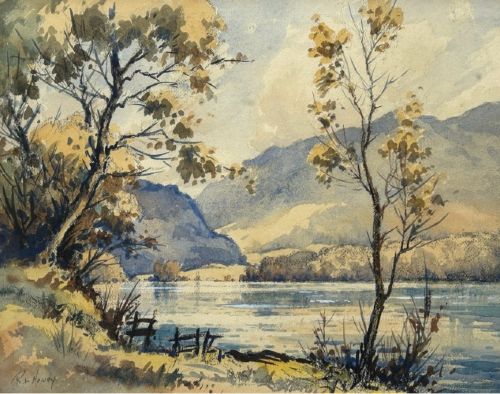
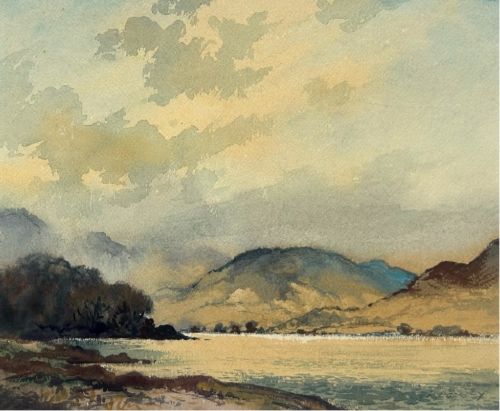
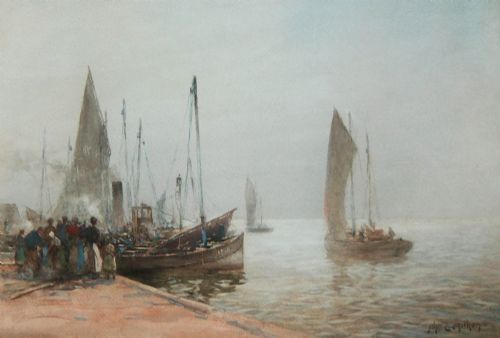
When looking for an original landscape painting on paper, collectors encounter works spanning from the nineteenth century through the mid twentieth century. These pieces capture British and European countryside, coastal scenes, and urban views executed on various paper supports.
The selection on this page ranges from Victorian marine art and Edwardian tonalism to early twentieth century British works. Common subjects include Scottish highlands, Welsh rivers, Yorkshire harbours, and Venetian canals rendered directly from observation.
How they were made
Artists utilise watercolour pigment, pastel, ink, and charcoal applied to paper, sometimes mounted to canvas stretchers or laid paper. These water based mediums allow for transparent washes and fine linear detail.
Framing typically involves glass and wood to protect the fragile paper surface from atmospheric moisture and handling damage.
Several artists preferred capturing sheep grazing quietly in Yorkshire while local weather decided whether to rain or shine.
What varies in quality
Quality rests upon the artist's handling of light, atmospheric depth, and tonal harmony across the paper surface. Skilled execution transforms a simple topographical view into a compelling atmospheric statement.
The preservation of the paper support and the vibrancy of the watercolour or pastel pigments strongly influence the visual impact of each piece.
James Orrock·William Henry Earp·John R Prentice·Alfred Young Nutt·Percy Lancaster·A Marie Parsons·John McDougal·Robert Leslie Howey·James E Aitken·William Joseph Boyes·Muriel Metcalfe·John Smith Atherton·Hector Caffieri·Richard Henry Wright·Thomas Maidment·Alfred G Morgan·Russell Sidney Reeves·Henry Barlow Carter·F A Roylance·William Greaves·George F Pennington·William Frederick Settle·Robert George Talbot Kelly
The Original Landscape Painting on Paper Glossary
- Watercolour paint
- A water soluble pigment that creates luminous washes when diluted with water on paper.
- Tonalism
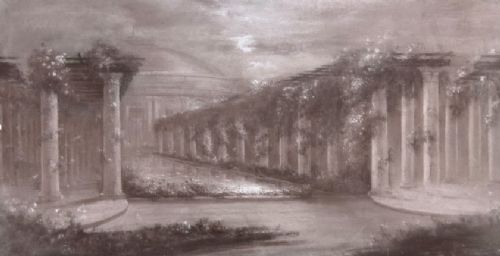
- An artistic style that prioritises atmospheric mood and shadow, prominent in early twentieth century British works.
- Laid paper
- A type of handmade paper featuring parallel ribbed lines created during the manufacturing process.
- Grisaille
- A painting executed entirely in shades of grey or neutral monochrome to emulate sculpture or create distinct tonal studies.
- Pastel
- A dry drawing medium consisting of powdered pigment and a binder, producing velvety textures on paper.
Original Landscape Painting on Paper: Frequently Asked Questions
How should I frame a watercolour on paper?
Watercolours require framing behind glass with acid free mounts to prevent the paper from touching the glazing. This barrier protects the delicate pigments from humidity and airborne pollutants.
Keep these works away from direct sunlight to prevent the watercolour pigments and paper from fading over time.
What is the difference between watercolour and pastel?
Watercolour involves fluid pigments washed onto paper surfaces with a brush, creating translucent layers and delicate atmospheric effects. Pastel utilises dry sticks of compressed pigment applied directly to create rich, velvety textures.
Both mediums require protective glass framing, though pastels are particularly sensitive to vibration and must be handled with care.
How do I date an antique painting on paper?
Dating relies on stylistic clues such as clothing, architecture, and artistic movements like Victorian marine art or Edwardian tonalism. Signatures, artist inscriptions, and framing clues also help establish the period.
Examining the paper type and watermarks can provide further evidence for works created in the nineteenth and early twentieth centuries.
Can I display these paintings in bright rooms?
Paper supports and water soluble pigments are sensitive to ultraviolet light and can fade when exposed to strong sunlight. Position these artworks on interior walls away from direct windows to preserve their original colours.
Using museum grade UV filtering glass offers additional protection for sensitive historical watercolours and pastels.