


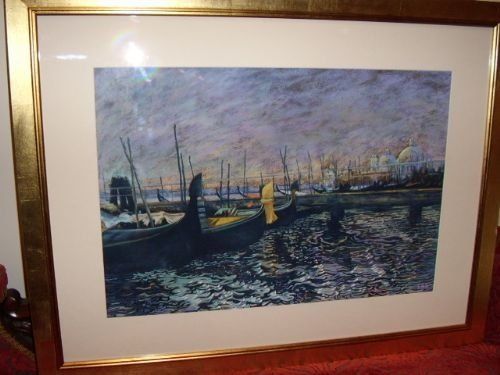
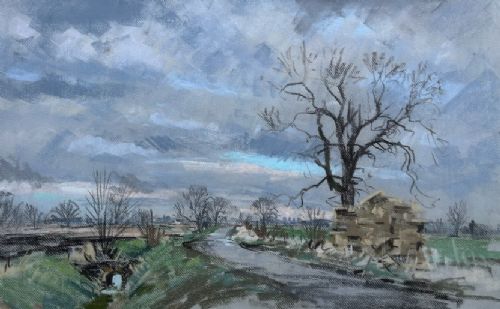
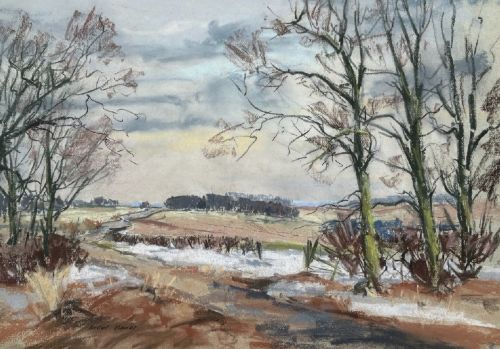
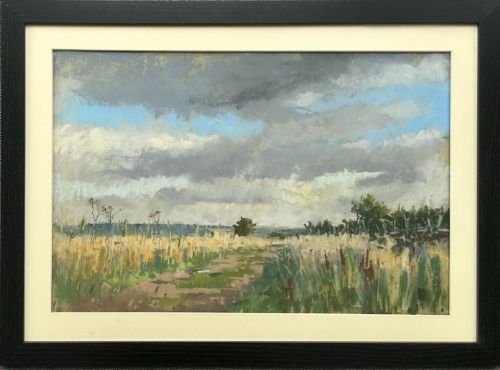
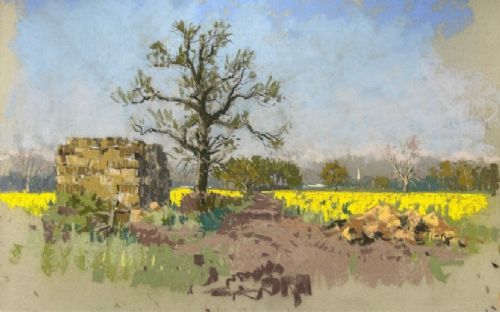
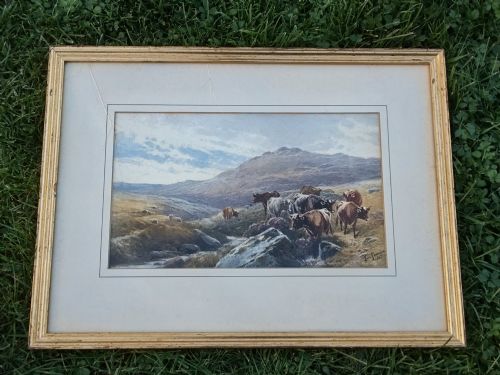
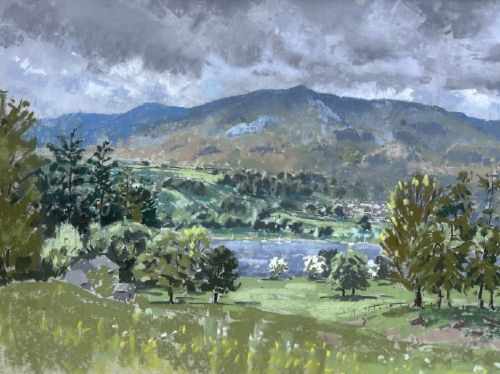
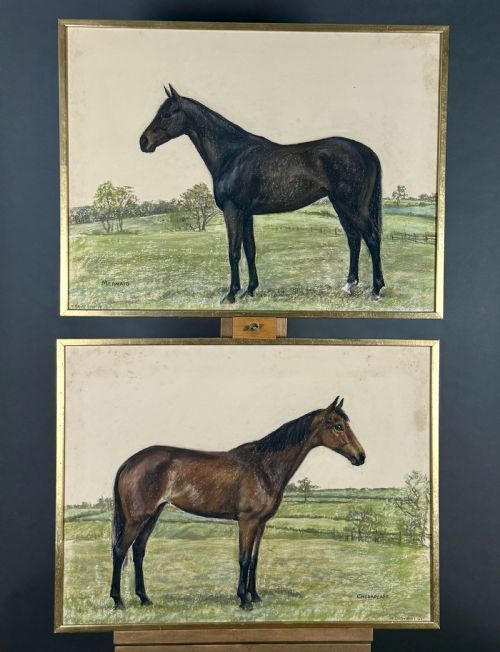

Original Landscape Drawing
An original landscape drawing captures open countryside, coastal views, and city streets directly through the artist's hand on paper.
Original Landscape Drawing
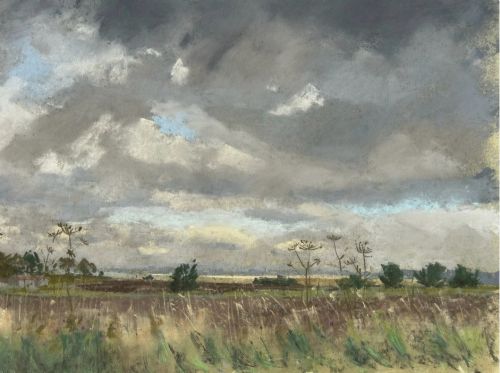
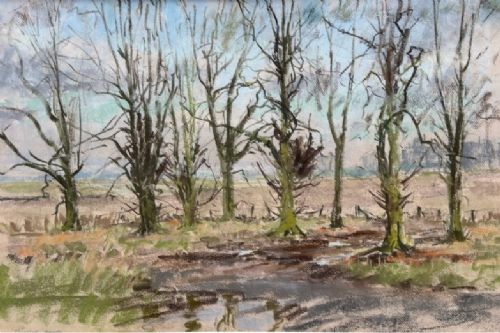
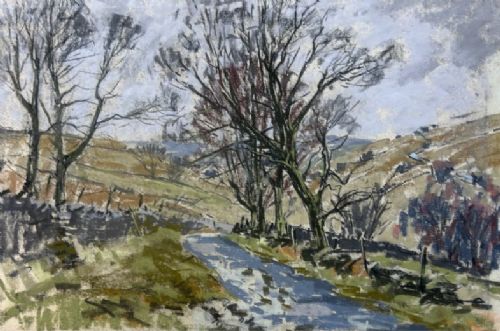
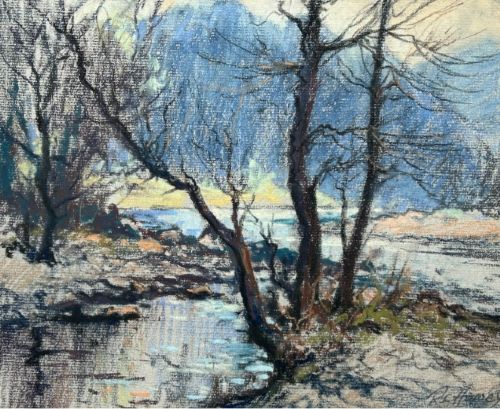
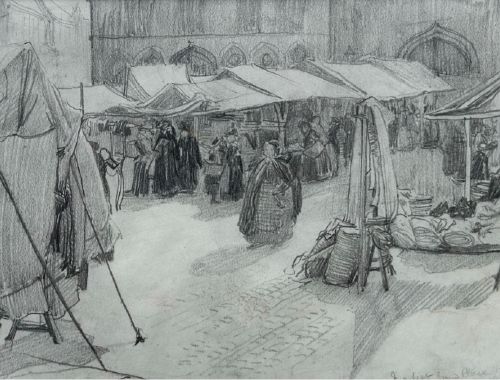
The physical forms include standalone sheets, portfolio pieces, and framed works ready for display on walls. Common subjects range from northern English dales and Cumbrian lakes to continental street scenes and coastal harbours. Pastels, watercolours, and pencil sketches dominate the items encountered by collectors browsing these categories.
How they were made
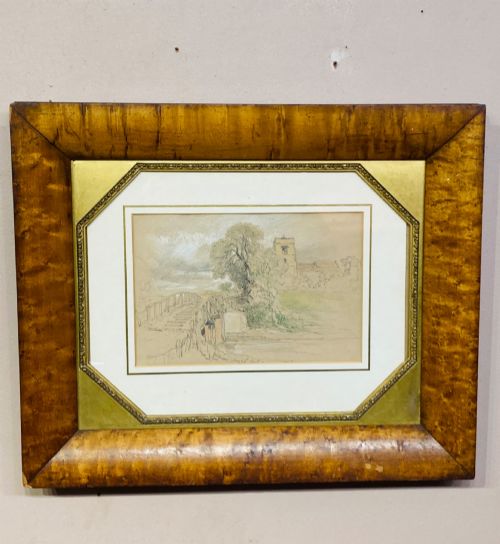
Artists utilise paper as the primary support, sometimes attaching sheets to canvas stretchers for added stability when working in charcoal or mixed media. Pigments and dry mediums such as pastel, graphite, ink, and watercolour are applied directly by hand to build up tone, line, and atmosphere. Protective framing typically involves glass and wooden surrounds, occasionally utilising burr wood frames characteristic of specific periods.
Techniques vary from delicate pen-and-ink linework washed with translucent watercolour to robust, heavily worked pastel strokes capturing light and weather. Some early twentieth-century works demonstrate specific stylistic influences, such as the moody nocturnal tones associated with Grimshaw and Whistler.
Original Landscape Drawing Retail Price Guide 2026
Typical asking prices for original landscape drawing among the pieces listed under this phrase on Sellingantiques today, from the lower quarter to the upper quarter. They describe what is for sale here now, not the wider market.
Materials recorded on this page include paper, ink, watercolour, glass, wood, pastel, graphite, and pencil.
What varies in quality
The skill of the draughtsman or painter dictates the success of the composition, particularly in the handling of perspective, light, and natural movement. Works by established professional artists or members of recognised art societies display a superior command of medium compared to anonymous student pieces.
Condition and preservation play a vital role, as works on paper remain susceptible to fading, foxing, and acid damage from historic mounting materials. The originality of the framing and the presence of documented provenance, artist signatures, or exhibition history enhance the historical integrity of the piece.
Angus Rands·Thomas Rowden·Cecil Keeling·Henry Percy Huggill·Alfred Young Nutt·Robert Leslie Howey·Fred Lawson·Russell Sidney Reeves·Henry de Waroquier·William Greaves·Charles James Lauder·John Hobson Nicholson·Stanley Orchart·Edward Dayes·J W Hogley·Berthe des Clayes·Sir Francis Leggatt Chantrey·Charles H Poingdestre·William Manners
The Original Landscape Drawing Glossary
- Pastel
- A dry painting medium consisting of powdered pigment and a binder, enabling artists to achieve soft blends and vibrant colour fields. It requires framing under glass to prevent smudging.
- Foxing
- Brown spots and discolouration that develop on antique paper over time due to chemical reactions, humidity, and iron impurities. It is a common characteristic of works on paper from earlier centuries.
- Watercolour
- A paint consisting of water-soluble pigments diluted with water, applied to paper to create luminous, transparent washes of colour. It is frequently combined with ink or pencil in landscape studies.
- Stretcher
- A wooden framework upon which canvas or heavy paper is stretched before execution. Some charcoal drawings utilise this support to provide rigid tension.
- Provenance
- The documented history of ownership of an artwork, establishing its authenticity and origin. Signatures, exhibition stamps, and old gallery labels often contribute to this record.
Original Landscape Drawing: Frequently Asked Questions
How should I frame an antique drawing?
Protect works on paper by using acid-free mounts and backing boards that prevent chemical degradation over time. Spacers should keep the glass from touching the surface of pastel or charcoal drawings to avoid trapping moisture and smudging delicate pigments.
Hang framed drawings away from direct sunlight to minimise the fading of watercolours and pastels. Choosing conservation-grade UV-filtering glass further safeguards the pigments against environmental damage.
How do I identify the date of a landscape drawing?
Examine the paper type, watermark, framing materials, and any inscriptions or signatures left by the artist on the front or reverse. Stylistic clues such as clothing in figurative elements, architectural details, and artistic movements like Edwardian or mid-century modern aesthetics also help narrow down the period.
Consult artist dictionaries and exhibition records if a signature is legible. Comparative examination of known works from the same regional school provides further chronological context.
What is the difference between pastel and watercolour?
Pastel is a dry drawing medium composed of compressed pigment that sits on top of the paper's tooth, offering rich velvety textures and opaque colour. Watercolour uses wet, transparent pigment suspended in a water-soluble binder that stains the paper fibres to create luminous washes.
Watercolour drawings often incorporate ink or pencil outlines beneath the paint layers. Pastels rely entirely on layered dry particles, making them more vulnerable to disturbance without protective glass.
Can I display landscape drawings in bright rooms?
Bright rooms pose a risk to works on paper because prolonged exposure to natural daylight causes fading in watercolours and pastels. Placing pieces out of direct sunbeams and utilising specialised UV-protective glazing preserves the integrity of the pigments.
Artificial lighting should also be managed, keeping halogen or LED bulbs at a safe distance to prevent heat damage. Rotating works displayed in brightly lit hallways helps protect them from cumulative light exposure.