

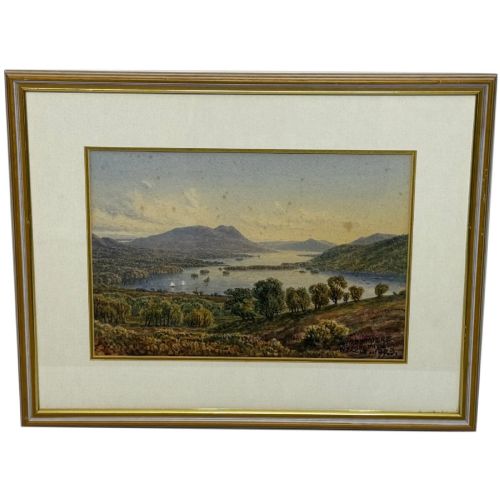
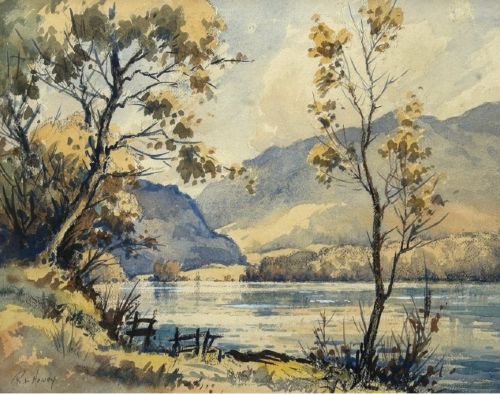


Original Lake Painting
An original lake painting captures water and shore across centuries of British and European landscape art.
Original Lake Painting
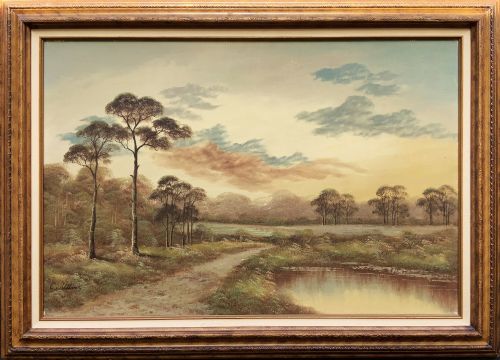
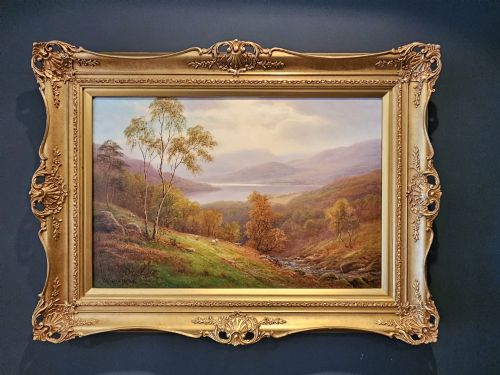
An original lake painting represents water bodies and surrounding terrain created by hand through various historical periods. When searching for an original lake painting, buyers encounter works spanning from the Georgian era through to the mid-twentieth century.
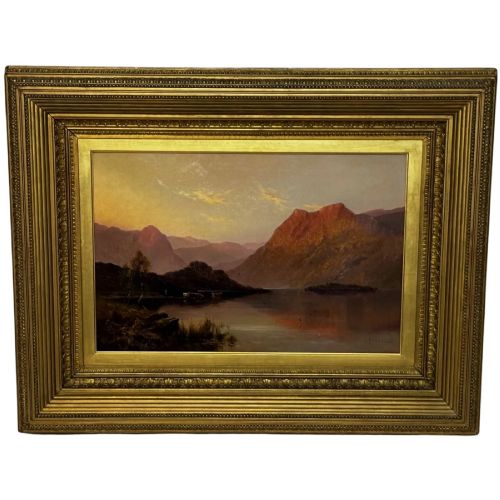
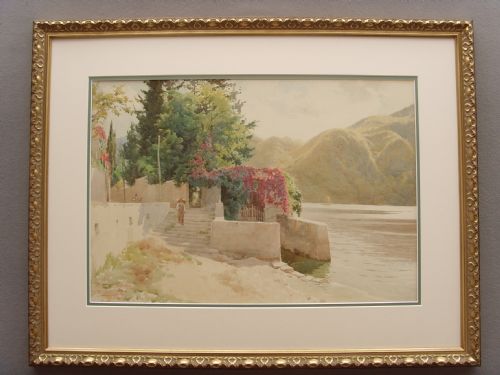
The pieces on this page appear in forms such as framed artwork, wall art, and standalone paintings. Traditional British and Impressionist styles dominate, depicting specific locations like the English Lake District, Scottish lochs, and continental waters.
Watercolour paintings and oil paintings constitute the primary mediums in this category. Artists utilise paper and canvas as supports, frequently mounting works in gilt wood frames.
Materials and techniques
Artists apply oil paint or watercolour pigments onto prepared canvas, paper, or wood panels. Oil on canvas works allow for textured impasto applications and deep colour layering.
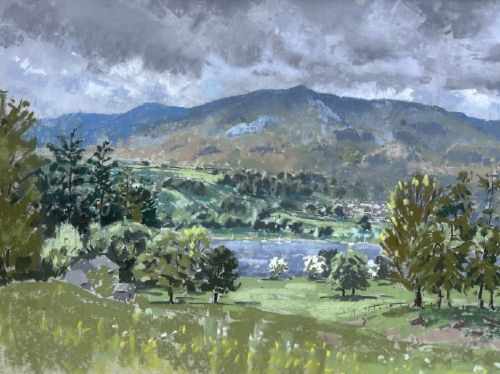
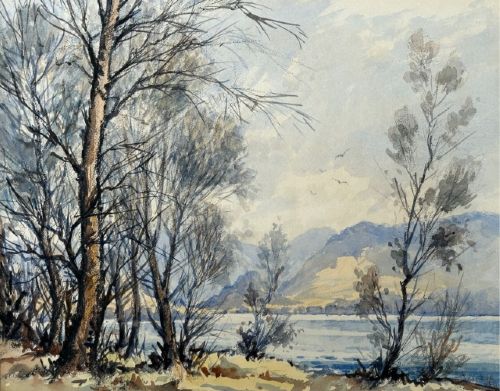
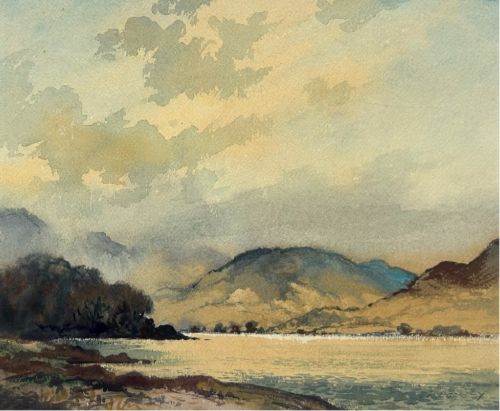
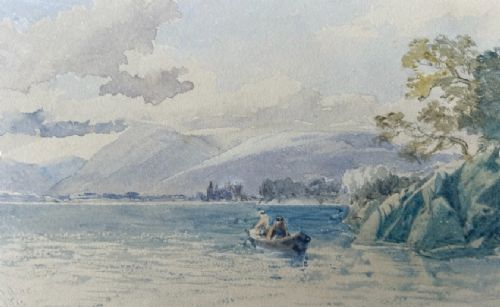
Watercolour and ink sketches on paper capture light and fluid atmospheric conditions with translucent washes. Framing often involves protective glass and decorative gilt wood surrounds.
Original Lake Painting Retail Price Guide 2026
Typical asking prices for original lake painting among the pieces listed under this phrase on Sellingantiques today, from the lower quarter to the upper quarter. They describe what is for sale here now, not the wider market.
Variations in quality
Quality rests upon the artist's handling of light, scale, and spatial depth within the landscape composition. Works by documented historical painters demonstrate superior brushwork and compositional balance compared to anonymous student pieces.
The preservation of the pigment and the original paper or canvas support dictates the longevity and visual impact of the artwork. Intact period framing also contributes to the integrity of the piece.
William Mellor·Thomas Miles Richardson Jnr·Alfred Fontville de Breanski Jr·Robert Leslie Howey·Benjamin Williams Leader
The Original Lake Painting Glossary
- Impasto
- Paint applied thickly to a canvas, standing relief-like above the surface. This technique creates a tangible texture that catches light.
- Gilt wood
- Wood coated with a thin layer of gold leaf or gold paint. Frames constructed this way were common for framing Victorian and Edwardian oils.
- Watercolour
- A paint consisting of pigment suspended in a water-soluble vehicle. Artists apply it to paper to achieve translucent washes of colour.
- Monogram
- A motif made by overlapping or combining letters to form a logo or signature. Painters often used these initials instead of a full signature.
Original Lake Painting: Frequently Asked Questions
How do I identify a Victorian lake painting?
Victorian lake paintings often feature romanticised landscapes of British hills and waters with meticulous detail. They are commonly executed in oil on canvas and housed in ornate gilt frames.
Signatures, framing styles, and stretcher construction help confirm the nineteenth-century origin of the canvas.
Where were most lake paintings created?
Artists painted these scenes <em>en plein air</em> or in studios based on field sketches from regions like the English Lake District, Scotland, and Wales. Topographical accuracy varied depending on whether the artist pursued strict documentation or romantic expression.
Local watercourses and mountainous backdrops provided endless inspiration for generations of landscape painters.
How should I care for an antique watercolour?
Antique watercolours on paper require protection from direct sunlight to prevent the fading of delicate pigments. Framing behind glass with acid-free mounts safeguards the paper from environmental moisture.
Displaying pieces away from heat sources preserves both the support and the original frame.
What is the difference between oil and watercolour lake scenes?
Oil paintings utilise suspended pigments in drying oils on canvas or wood, offering rich textures and deep colour saturation. Watercolours employ water-soluble pigments on paper, resulting in lighter, translucent compositions.
Oils generally require sturdy wooden frames without glass, whereas watercolours need glazing for protection.