





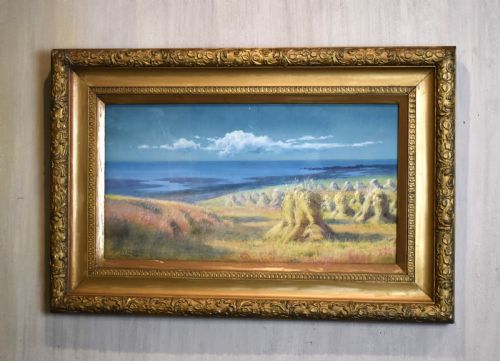
Original Irish Art
Original irish art brings the landscapes, portraits, and coastal scenes of Ireland directly to your walls through works executed on canvas, paper, and board.
Original Irish Art
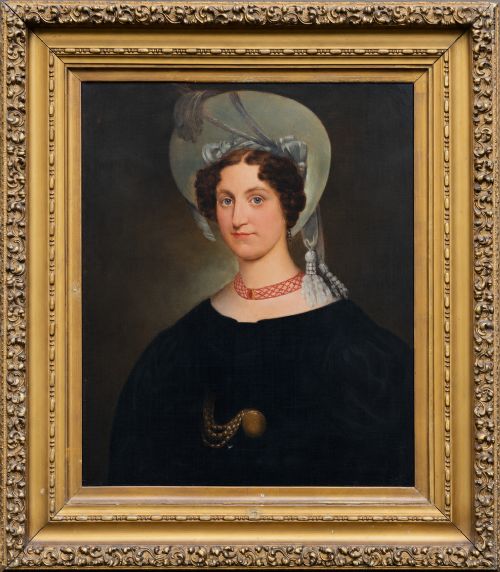
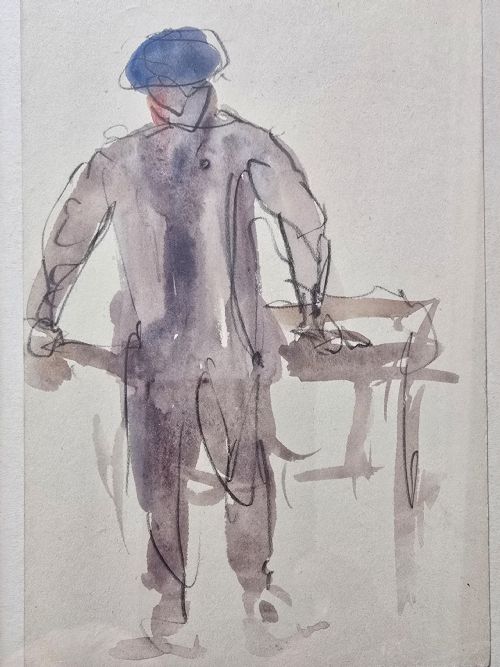
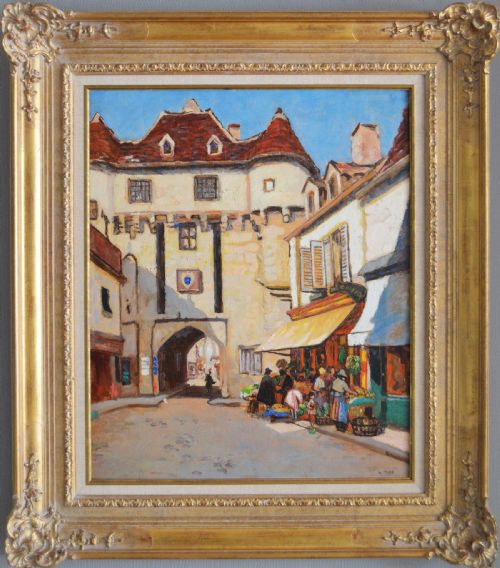
Original irish art encompasses oil paintings, watercolours, and pencil sketches created by artists working across various periods, from the eighteenth century to the mid-twentieth century. Buyers searching this phrase encounter framed wall art that depicts specific locations such as Connemara Hills, Ballyholme Bay, and Dunluce Castle alongside portraits and townscapes.
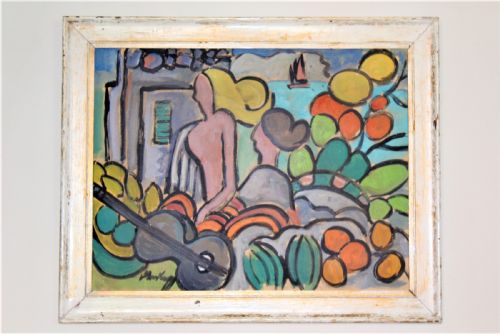
The selection ranges from early nineteenth century architectural studies and Victorian watercolours to mid-century impressionism and works associated with the twentieth century Irish school. Landscapes and coastal views dominate the available forms, often signed by recorded artists or attributed to established painters of the period.
Materials and Methods
Artists utilised traditional supports including canvas, stretched paper, wood panels, and card, applying oil on canvas, watercolour pigments, and ink. Many pieces feature gilt frames that complement the period of the painting.
Techniques span detailed pencil sketching, fluid watercolour washes, and textured oil on board or canvas applications, reflecting the varied training and academic backgrounds of the painters.
Original Irish Art Retail Price Guide 2026
Typical asking prices for original irish art among the pieces listed under this phrase on Sellingantiques today, from the lower quarter to the upper quarter. They describe what is for sale here now, not the wider market.
Listings feature works created using oil on canvas, watercolour, ink, and pencil on paper from the eighteenth to mid-twentieth centuries.
Assessing Quality and Execution
Quality rests upon the sureness of the hand, the handling of light and atmosphere in landscapes, and the structural integrity of the paint layer or paper support. Stronger pieces demonstrate confident brushwork and a distinct sense of place.
Condition plays a role, with well-preserved works retaining their original pigments and framing without excessive fading, cracking, or moisture staining to the paper and canvas surfaces.
Michael Healy·Sir Thomas Newenham Dean RHA·Alfred Grey RHA·Sidney James Beer·Sir Francis Leggatt Chantrey·Peter Ghent·Markey Robinson·William Orpen·Joseph William Carey·James Latham·Letitia Marion Hamilton
The Original Irish Art Glossary
- Watercolour pigment
- A colour medium suspended in a water-soluble binder, applied in translucent washes on paper.
- Oil on canvas
- Pigment mixed with drying oil applied to a woven fabric stretched across a wooden frame.
- Impressionism
- A style of painting emphasising light and rapid brushstrokes to capture an overall impression of a scene.
- RHA
- Royal Hibernian Academy, an association of Irish artists that indicates professional standing when associated with a painter.
Original Irish Art: Frequently Asked Questions
What periods do these pieces cover?
The works span from the eighteenth century through the Victorian era and into the mid-twentieth century. This includes specific dates such as the 1820s, 1900, 1920, and 1950.
Earlier pieces often feature architectural studies or formal portraits, while nineteenth and twentieth-century examples focus heavily on Irish landscapes and coastal scenes.
How should I hang watercolour pieces?
Watercolours on paper require protection from direct sunlight to prevent the pigments from fading over time. Glazing with appropriate framing keeps dust and atmospheric moisture away from the delicate surface.
Position them on interior walls away from direct heat sources to maintain the condition of both the paper and the original frame.
Are the paintings usually signed?
Many pieces carry signatures, monograms, or stamps from the artist, while others are attributed based on style, subject matter, and period documentation. Signatures often appear in the lower corners of watercolours and oil paintings.
Unsigned works are judged entirely on their execution, materials, and stylistic links to established schools of painting.
What subjects are most common?
Landscapes and coastal views form the largest category, depicting specific locations in Ireland like Connemara, County Antrim, and County Wicklow. Townscapes, portraits of gentlemen, and point-to-point scenes also appear.
These subjects reflect the travels and observation points of artists working within the British and Irish schools.