





Original Impressionist Watercolour
Original impressionist watercolour works capture light and atmosphere on paper using fluid pigment and spontaneous brushwork.
Original Impressionist Watercolour
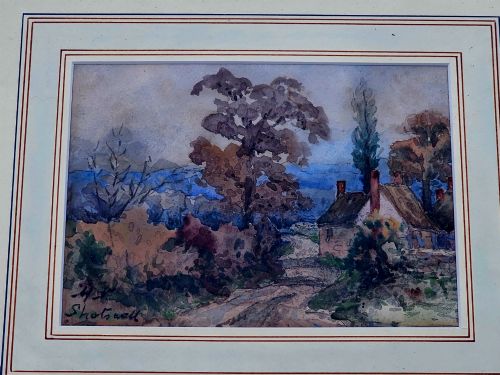
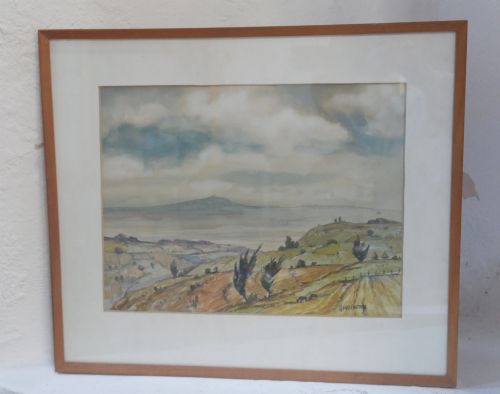
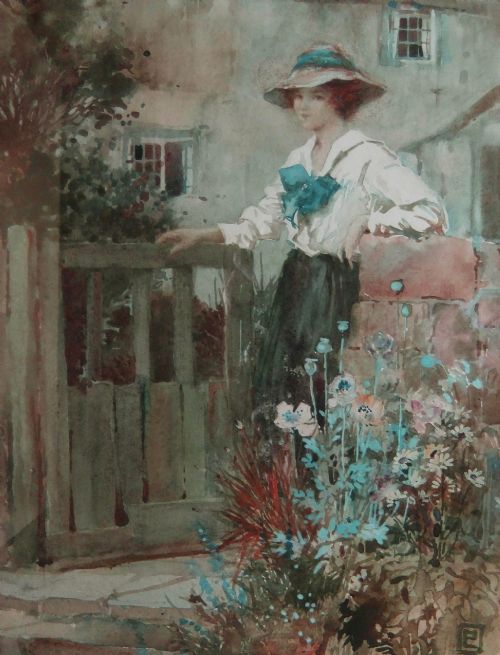
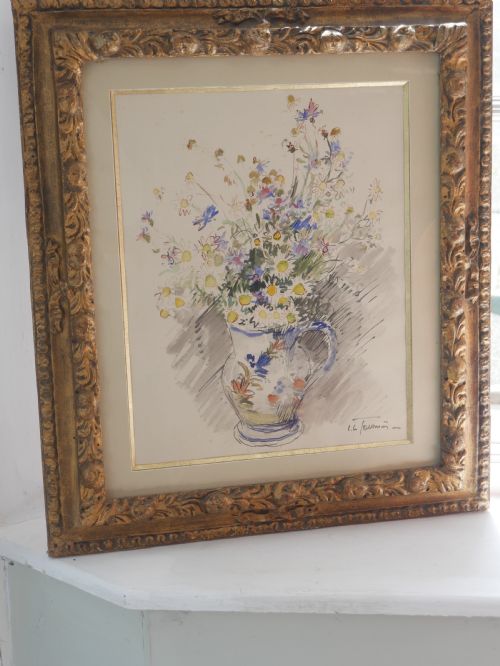
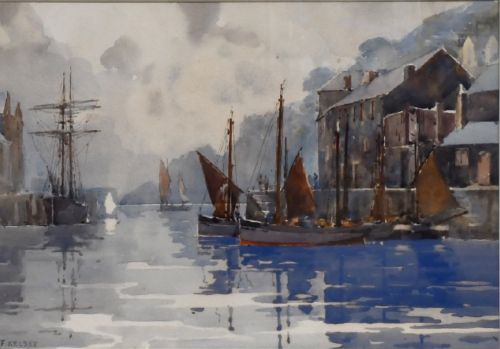
Original impressionist watercolour paintings are works on paper executed primarily during the nineteenth and twentieth centuries, spanning Edwardian, British Impressionist and mid-century movements. Buyers seeking an original impressionist watercolour will encounter coastal scenes, rural landscapes, townscapes and floral still lifes produced across these periods.
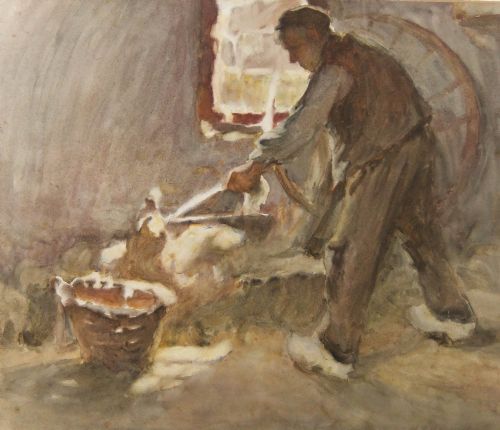
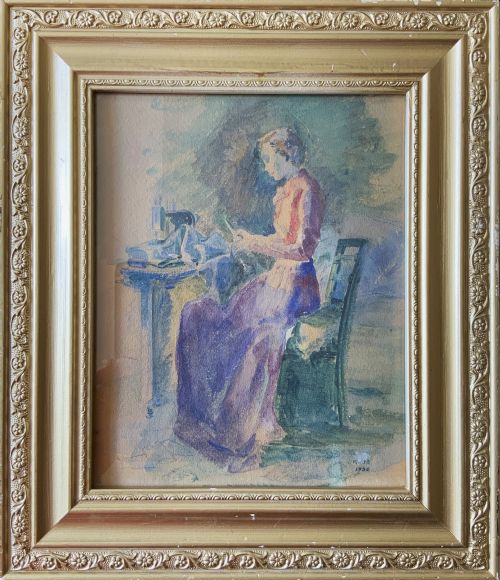
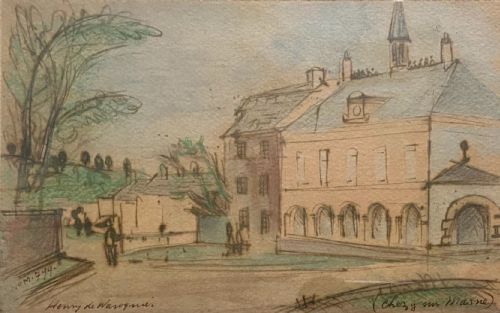
The selections on this page showcase forms ranging from detailed harbour views to loose topographical studies and figure compositions. These paintings record fleeting effects of weather and light through the application of water-soluble pigment onto paper supports.
How they were made
Artists applied watercolour pigment and occasional bodycolour or gouache onto paper supports, sometimes combining ink with wash for linear definition. Works are typically framed behind glass within wooden mouldings, occasionally accented with gilt.
The technique relies on the transparency of the pigment over white paper to create luminosity, capturing light directly without opaque layering. Quick, visible brushmarks define the impressionist method seen across these sheets.
Listings span periods from the nineteenth century through the nineteen-sixties, utilising paper, pigment, glass and wood.
What varies in quality
Quality rests upon the confidence of the brushwork and the artist's ability to capture atmospheric depth within a fluid medium. Stronger examples display deliberate tonal control where the white of the paper serves effectively as a highlight.
Condition of the paper and vibrancy of the pigment determine the preservation of the piece over time. Works exhibiting minor fading or paper discolouration sit lower in quality than those retaining their original chromatic intensity.
William Banks Fortescue·Henry Silkstone Hopwood·Hector Caffieri·Henry de Waroquier·Percy Lancaster·Albert Ludovici Jnr·Frank Kelsey·Edgar Woollatt·Gaston Cornil·William Lee Hankey·Fred Lawson·Arthur Reginald Smith·Edward Seago·George Graham·Charles James Lauder·Ernest Pile Bucknall·Rowland Henry Hill·John Atkinson·Florence Hess·Lester Sutcliffe·Owen Bowen·Jules Evarist van Biesbroeck·George Soper·Henri Joseph Harpignies·Lilian Stannard
The Original Impressionist Watercolour Glossary
- Watercolour
- A paint consisting of pigment suspended in a water-soluble vehicle, applied to paper to create translucent washes of colour.
- Gouache
- An opaque watercolour paint containing an added white pigment to create a heavier, less transparent layer on the paper.
- Bodycolour
- Another term for gouache or opaque watercolour used to add solid highlights to a transparent wash painting.
- Gilt Wood
- Timber framing finished with a thin layer of gold leaf or metallic gilding, commonly seen protecting antique works on paper.
Original Impressionist Watercolour: Frequently Asked Questions
How do I care for a watercolour painting?
Watercolours on paper require protection from direct sunlight to prevent the pigments from fading over time. Keep them in rooms with stable humidity and ensure they remain glazed behind glass.
Professional framing using acid-free mounts prevents chemical degradation of the paper support. Avoid hanging them in damp spaces such as unheated kitchens or bathrooms.
Are these paintings genuine originals?
The works listed are hand-painted primary pieces rather than modern mass-produced prints or mechanical reproductions. Each sheet carries the distinct brushwork, pigment pooling and texture characteristic of manual application.
Signatures, artist annotations and contemporary framing materials help establish the period and authenticity of individual works. Examining the surface under magnification reveals the actual pigment particles resting on the paper grain.
How do I identify the period of a watercolour?
Stylistic cues such as subject matter, clothing styles in figures, and architectural details point toward specific eras like the Edwardian period or mid-century. Paper types and framing methods also offer clues to the decade of creation.
Signatures matched against artist working dates provide the most reliable chronological anchor. Early twentieth-century pieces often reflect distinct regional British impressionist movements.
What is the difference between watercolour and gouache?
Traditional watercolour relies on transparent washes where the white paper reflects light back through the pigment layers. This creates a luminous quality characteristic of landscape studies.
Gouache includes an added white filler that makes the paint opaque, allowing artists to apply light tones directly over dark areas. Many impressionist works combine both mediums on the same sheet of paper.