



Original Horse Art
Original horse art captures the spirit and form of the animal through centuries of painting, drawing, and printmaking.
Original Horse Art
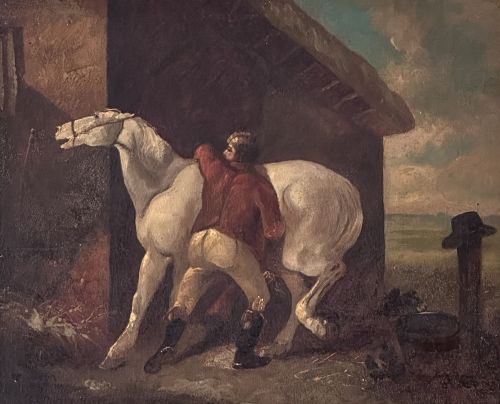
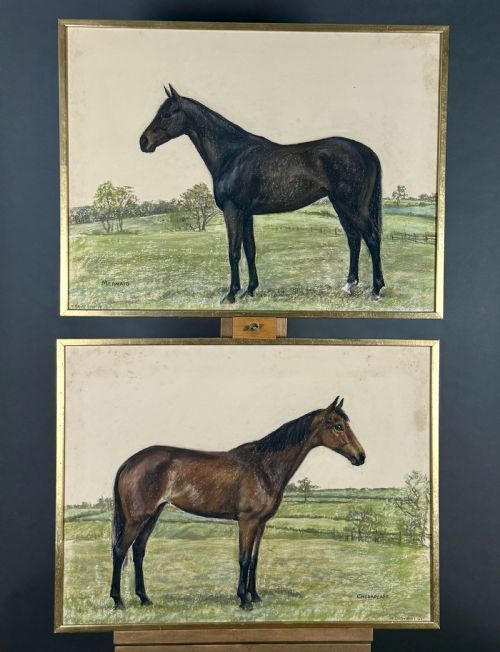
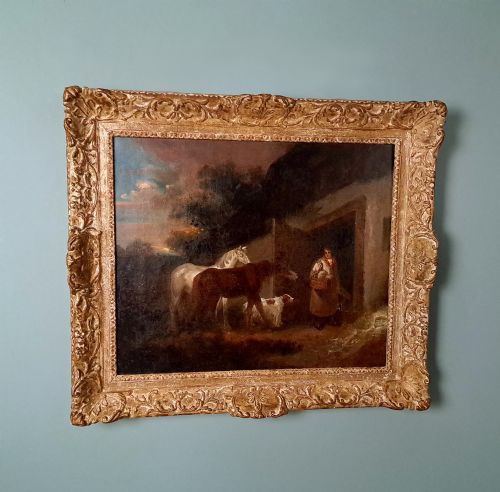
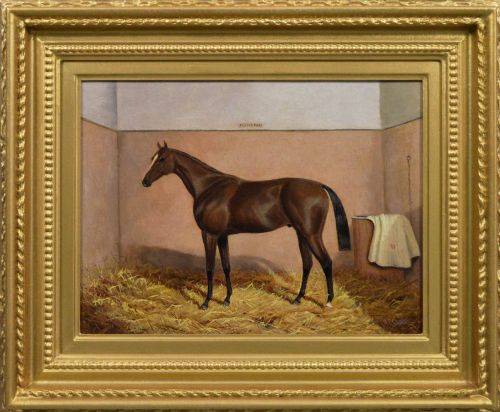
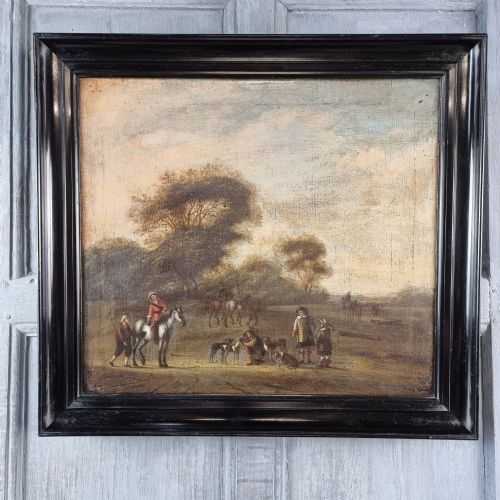
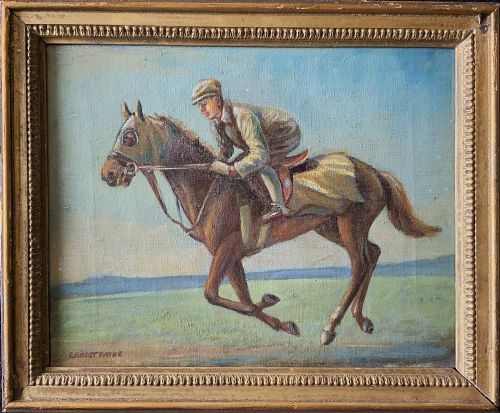
Original horse art encompasses a diverse range of visual expressions dedicated to equines, from detailed portraits of individual animals to dynamic scenes of racing, hunting, and daily rural labour.
The pieces available span from Georgian and nineteenth-century oils to mid-century modern watercolours and pastels, reflecting changing artistic interpretations across different eras.
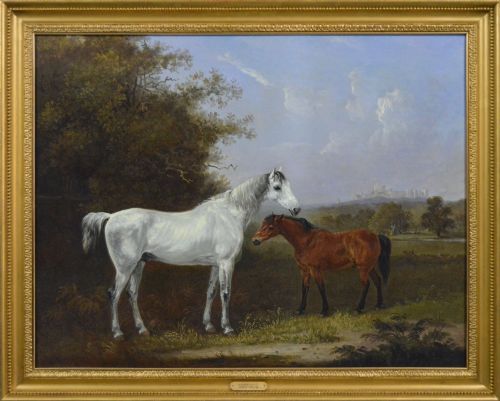
Buyers encounter everything from formal sporting art depicting named racehorses near Windsor Castle to expressive mid-century depictions of ponies and cart horses in varied landscapes.
Materials and Techniques
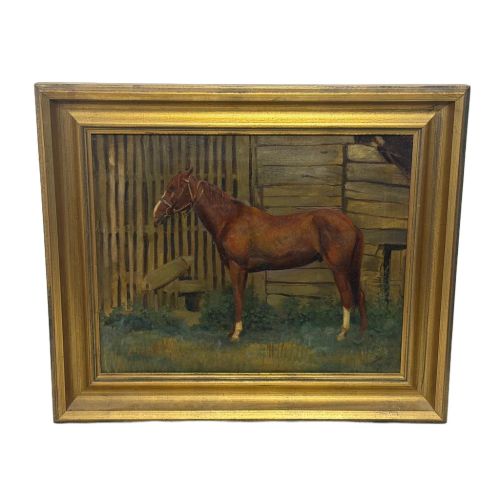
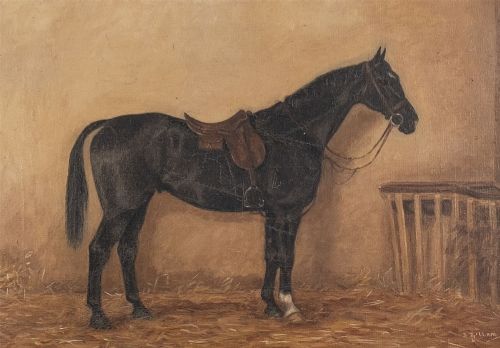
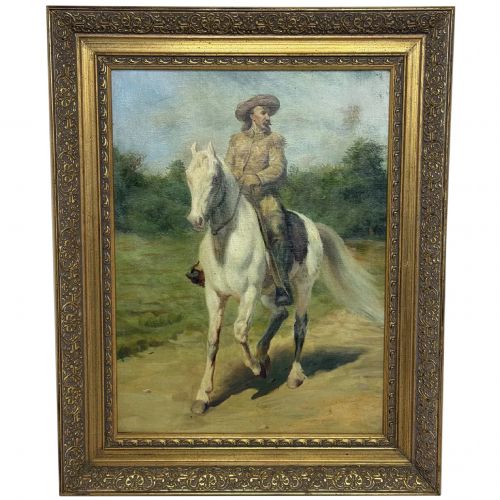
Artists utilise traditional mediums such as oil on canvas and oil on panel, building rich textures and deep tones that capture the sheen of a coat and the atmosphere of a stableyard.
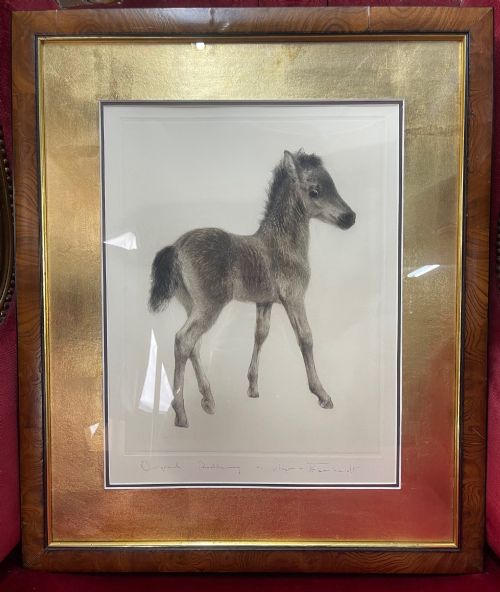
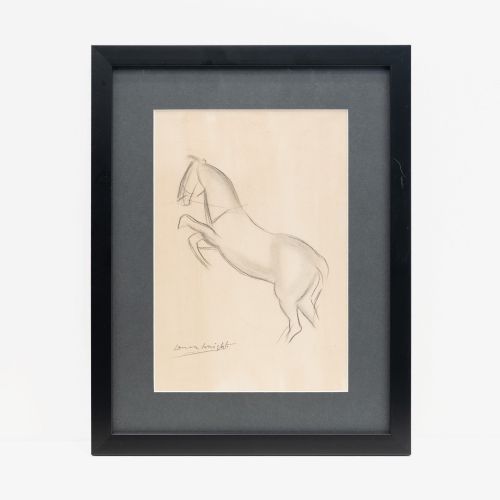
Works on paper employ watercolour, gouache, pastel, chalk, and drypoint, allowing for swift, expressive line work and delicate colour washes.
Framing often complements the period, utilising oak, walnut, or moulded wood to protect and present watercolours, drawings, and canvas works.
Original Horse Art Retail Price Guide 2026
Typical asking prices for original horse art among the pieces listed under this phrase on Sellingantiques today, from the lower quarter to the upper quarter. They describe what is for sale here now, not the wider market.
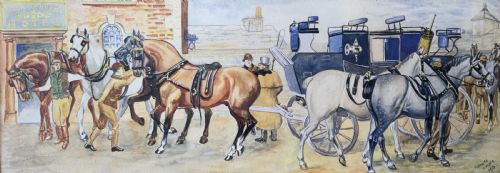
Several pieces capture horses pausing near Windsor Castle and navigating busy Paris traffic.
Assessing Quality and Execution
Quality rests upon the artist's command of equine anatomy, movement, and proportion, distinguishing lifelike studies from rigid or generic representations.
The handling of light, shadow, and background detail elevates a piece, transforming a simple animal portrait into a coherent landscape or atmospheric genre scene.
Edmund Bristow·William Joseph Shayer Senior·Kurt Meyer-Eberhardt·Albert Clark·Ernest Payne·Dame Laura Knight·Albert Ludovici Jnr·Gen Paul·John Ferneley Senior·Herbert Dicksee·John Rattenbury Skeaping·Cecil Charles Windsor Aldin·Harry Freckleton·Hazel M. Barnett·Anne Goldthwaite·Gabriel Dauchot·John Sanderson Wells·Charles James Lauder·Michael Lyne·John Augustus Atkinson·John Linnell
The Original Horse Art Glossary
- Drypoint
- A printmaking process where the artist scratches an image directly onto a metal plate with a sharp needle, producing soft, velvety lines.
- Equestrian
- Pertaining to horses, horse riding, or the representation of horses in art.
- Gouache
- An opaque watercolour paint that dries to a matte finish, allowing for vibrant colour blocks and strong highlights on paper.
- Sporting Art
- A genre of painting and illustration dedicated to rural sports, horse racing, hunting, and equine portraits.
- Watercolour
- A painting method in which pigment is suspended in a water-based solution, applied to paper for transparent and luminous effects.
Original Horse Art: Frequently Asked Questions
What periods do these pieces cover?
The selection spans from the seventeenth century through the Georgian and Victorian eras into the Edwardian period and mid-century twentieth century.
Each era brings distinct stylistic approaches, moving from formal sporting studies to expressive mid-century modern interpretations.
How were watercolours and drawings framed?
Works on paper frequently appear in period frames made of oak or walnut, often preserved behind glass.
Original framing helps protect delicate pastel, chalk, and watercolour mediums from environmental damage while maintaining historical context.
What subjects besides racing appear?
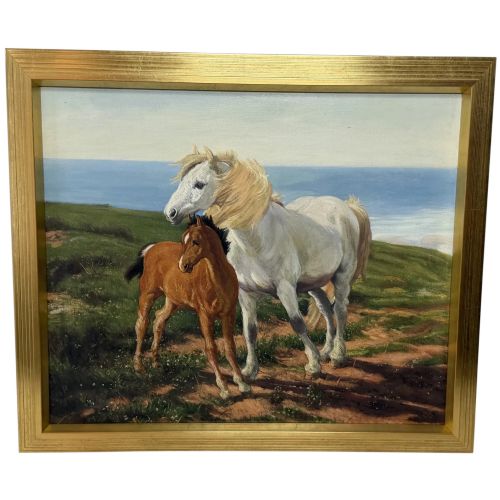
Beyond racehorses and polo matches, subjects include cart horses at rest, grey mares with foals in river landscapes, and working ponies in stableyards.
Artists also documented genre scenes involving coaches, cabs, and rural farm life alongside formal equine portraits.
How do I identify different print types?
Prints include drypoints and original published plates, each showing distinct plate marks or ink textures unique to the printing process.
Signatures by artists help confirm the authenticity of limited print runs and specialised graphic works.